Palm Fiber Biomass Pellet Production Line
1. Efficient Waste Utilization
The Palm Fiber Biomass Pellet Production Line converts palm fiber and other suitable palm residues into biomass pellets, adding value to agricultural by-products.
2. Customized Production Capacity
The production line can be configured according to raw material characteristics, required capacity, and final pellet specifications.
3. Complete Processing Solution
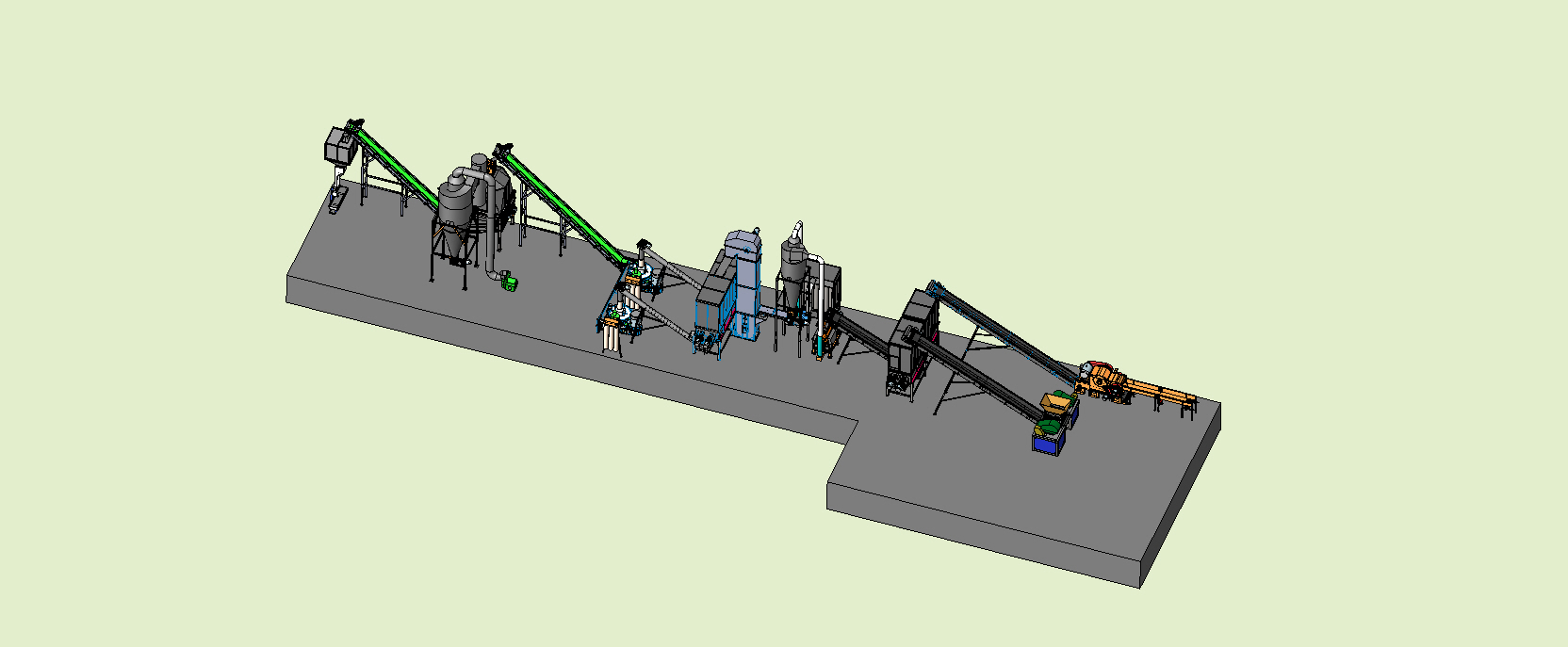
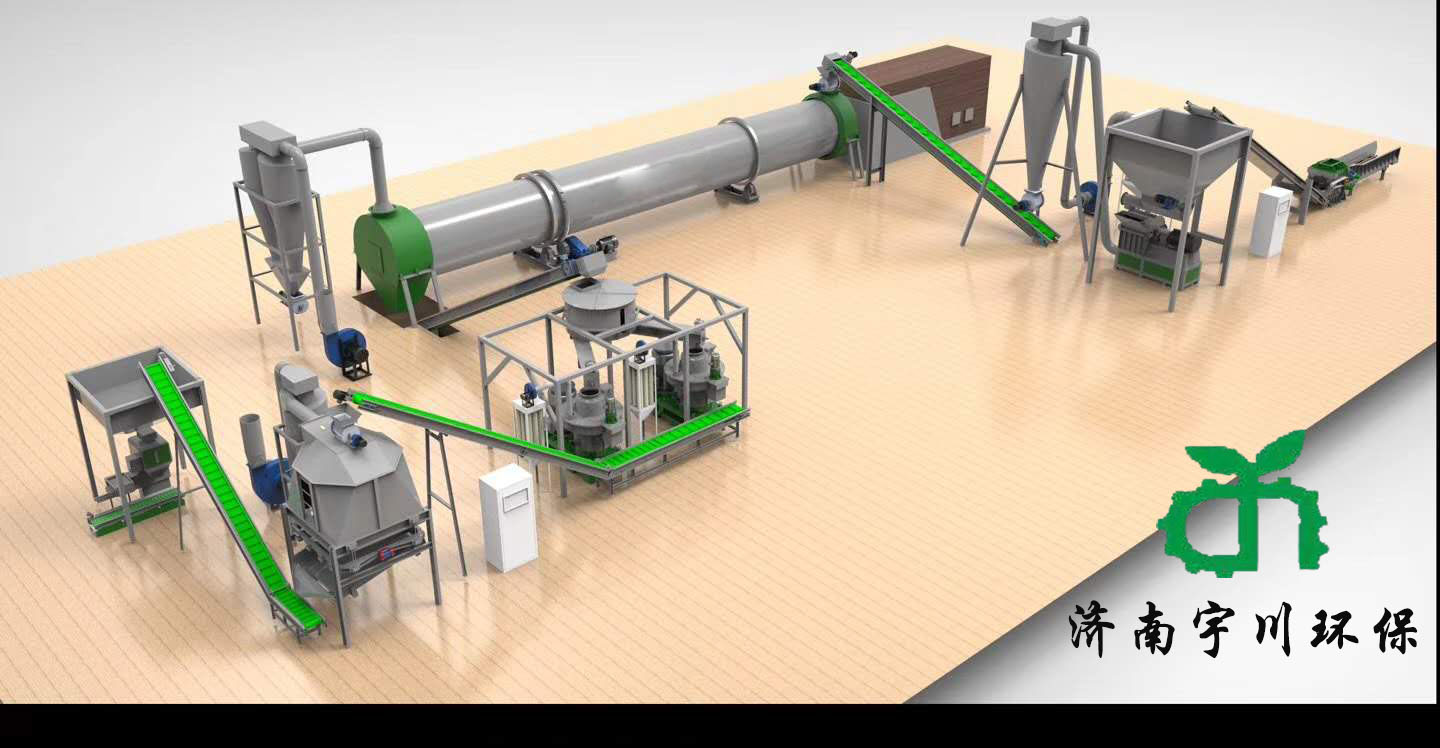
From crushing and drying to pelletizing, cooling, and screening, the line can integrate the main processing stages into one system.
4. Wide Fuel Applications
Palm fiber pellets can be used as biomass fuel for suitable industrial heating systems, depending on pellet quality and customer requirements.
5. Reliable Equipment Support
Shandong Yuchuan provides biomass pellet production equipment and customized solutions to help customers build a production line suited to their projects.
1. Product Overview
A Practical Solution for Fibrous Biomass Processing
Palm oil mills and agricultural processing facilities generate considerable amounts of fibrous residues. Without proper processing, these materials can take up storage space and become difficult to handle or transport.
A Fiber Biomass Pellet Production Line processes suitable fibrous materials into compact pellets, making them easier to store, transport, and use as fuel. The final pellet quality depends on the raw material, moisture content, fiber structure, and processing conditions.The line can integrate crushing, drying, fiber size reduction, pelletizing, cooling, screening, and conveying equipment. The configuration is determined by the actual feedstock and the required output rater than a fixed standard layout.
2. Suitable Raw Materials

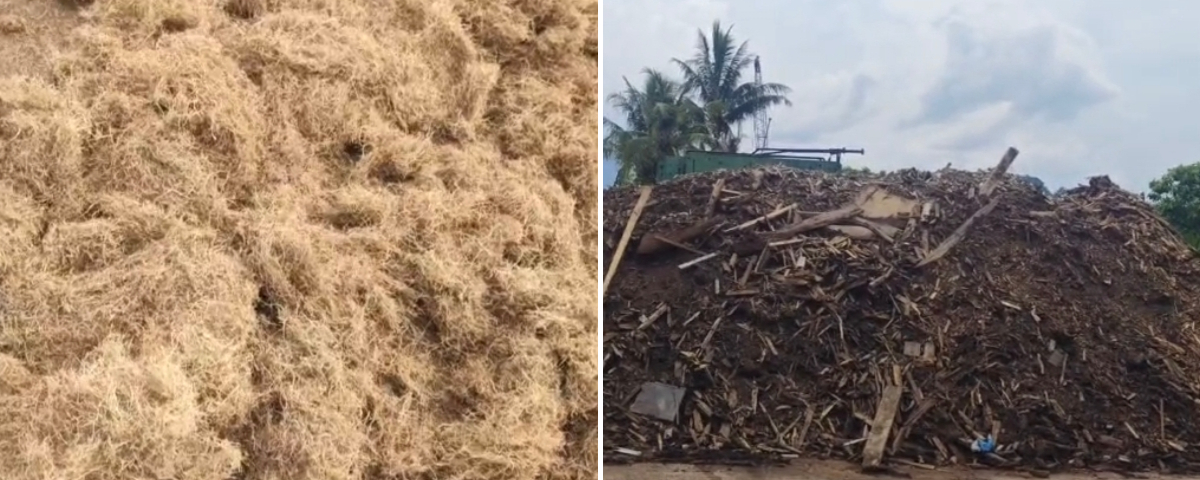
Designed Around Your Feedstock
The Fiber Biomass Pellet Production Line can be designed for a range of fibrous biomass materials, subject to testing and equipment configuration.
Palm Fiber: Fibrous residues from palm oil processing.
Empty Fruit Bunch (EFB): Fibrous material generated during palm oil production.
Oil Palm Residues: Selected palm processing by-products suitable for pelletizing.
Agricultural Fibers: Other suitable fibrous residues, depending on their moisture, ash content, fiber length, and binding characteristics.
Before selecting equipment, it is important to assess the raw material's moisture content, bulk density, fiber length, contamination, and seasonal availability. These factors directly affect pretreatment requirements, pelletizing performance, and operating costs.
3. Key Advantages
1. Better Utilization of Biomass Waste
The Fiber Biomass Pellet Production Line helps convert suitable palm fiber and agricultural residues into a more manageable product. Pelletizing can improve material handling and create opportunities to use local biomass resources as fuel.
2. Pretreatment Matched to Fiber Characteristics
Fibrous materials vary in length, moisture, and structure. Our equipment configuration can be adjusted to include suitable crushing, fiber size reduction, and drying processes. Proper pretreatment helps create more stable conditions for pelletizing.
3. Flexible Production Line Configuration
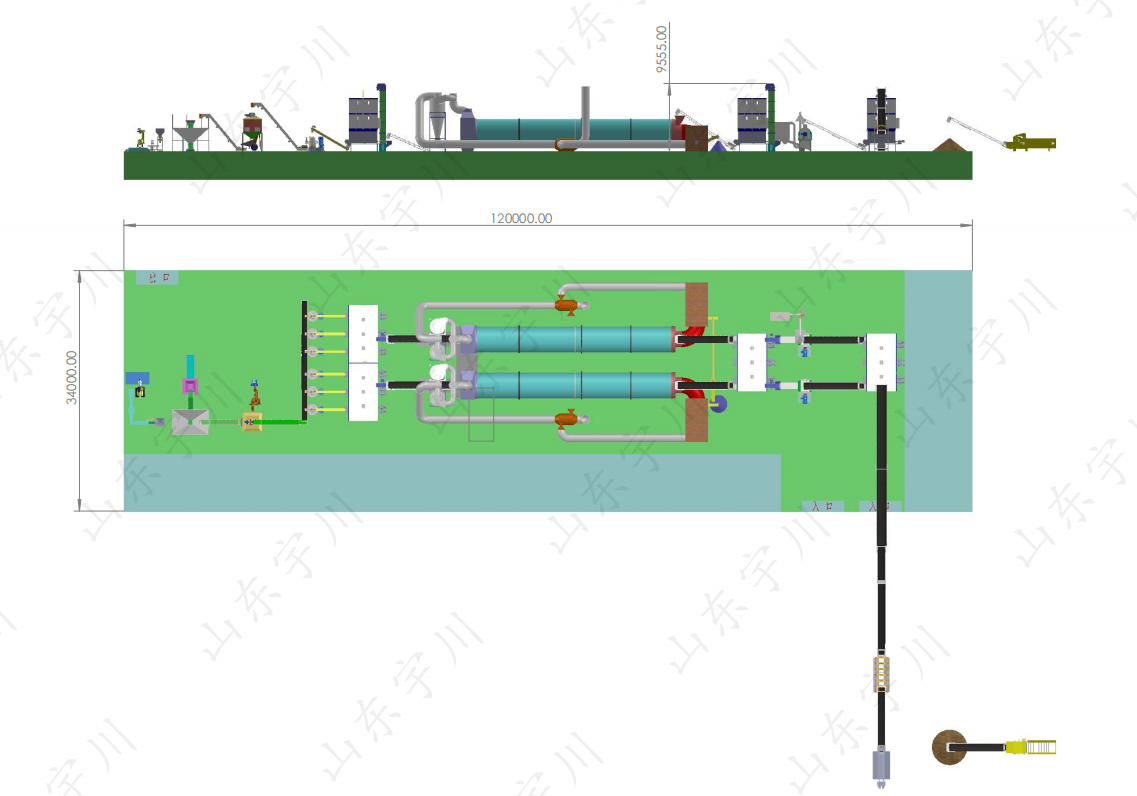
Whether you need a compact processing setup or a complete biomass pellet plant, the Fiber Biomass Pellet Production Line can be planned around your required capacity, available space, and material flow. Equipment selection is based on the project rather than unnecessary additions.
4. Easier Storage and Transportation
Compared with loose fibrous residues, properly formed pellets are generally easier to handle and feed into suitable combustion systems. Pellet size, density, durability, and moisture should be selected according to storage conditions and end-use requirements.
5. Integrated Equipment Support
Shandong Yuchuan supplies biomass processing equipment and complete production line solutions. By coordinating the main processing stages, we help customers plan a practical layout and reduce the difficulty of sourcing equipment from multiple suppliers.
4. How the Production Line Works
From Raw Fiber to Finished Pellets

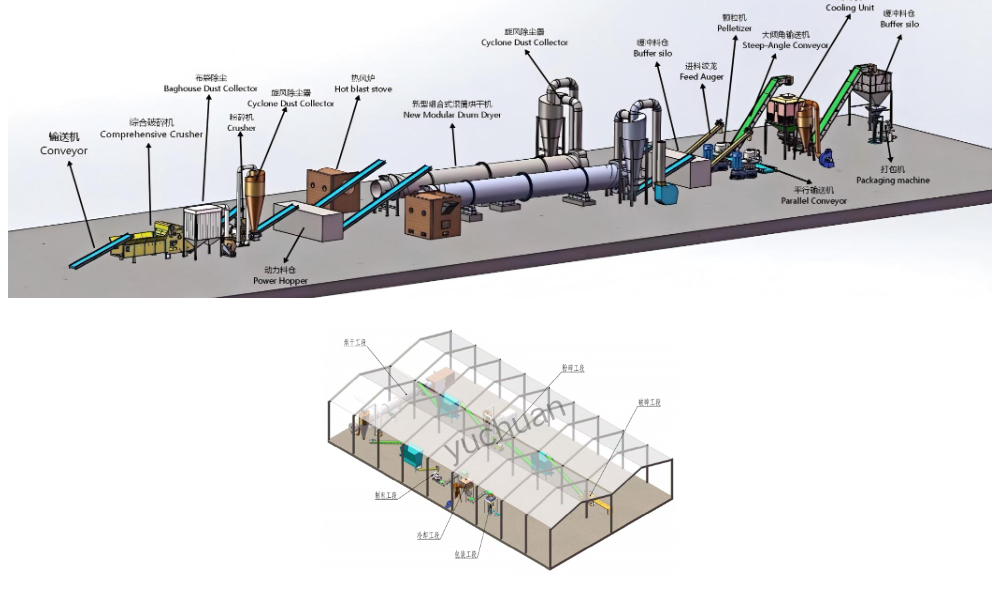
A typical Fiber Biomass Pellet Production Line may include the following stages:
1. Raw Material Preparation
Remove unsuitable foreign materials and prepare the feedstock for processing.
2. Crushing and Fiber Size Reduction
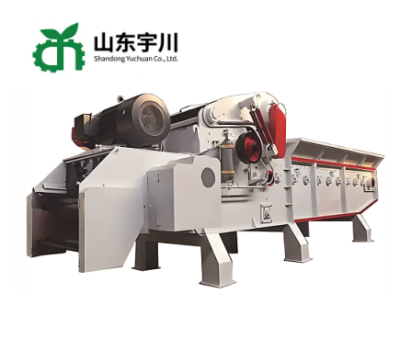
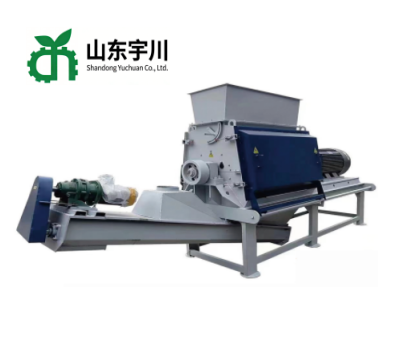
Reduce oversized materials and adjust the fiber size to suit the next processing stage.
3. Drying
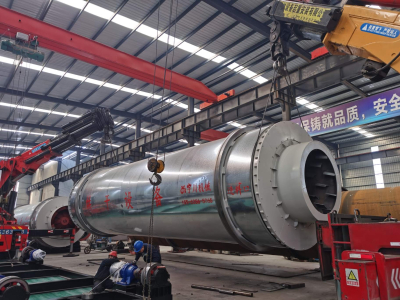
If the feedstock moisture is too high, a suitable drying system can be installed to bring it within the required processing range.
4. Pelletizing
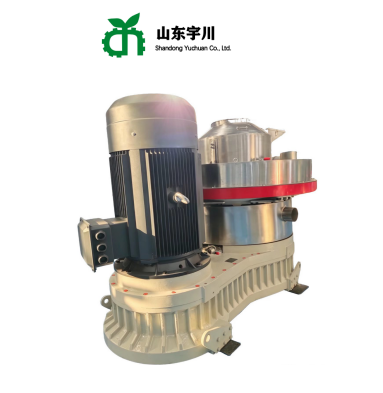
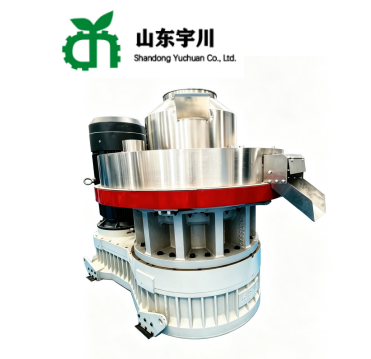
The prepared material enters the pellet machine, where it is compressed through a die to form pellets. The appropriate machine type depends on material characteristics and production targets.
5. Cooling and Screening
Fresh pellets are cooled and screened to improve handling and separate excess fines for possible recycling where the process allows.
6. Finished Product Handling
The pellets can be conveyed to storage, weighing, or packaging equipment according to the customer's requirements.
A suitable configuration may not require every stage. For example, relatively dry and well-prepared raw material may need less pretreatment than wet, long-fiber material. The final process should be confirmed after evaluating the feedstock.
5. Applications
Supporting Different Biomass Projects
The Fiber Biomass Pellet Production Line is suitable for projects that aim to process fibrous biomass into a more standardized solid fuel or an intermediate product for further use.
Palm Oil Mills: Process suitable fibrous residues generated during palm oil production.
Biomass Fuel Manufacturers: Produce biomass pellets for customers with defined fuel specifications.
Industrial Heating Projects: Supply pellets for compatible biomass boilers, hot-air furnaces, or industrial heating systems.
Biomass Resource Recovery Projects: Improve the handling and utilization of selected agricultural by-products.
Integrated Biomass Plants: Combine raw material preparation, pelletizing, and downstream handling in one coordinated system.
The suitability of the finished pellets for a specific boiler or heating system should be confirmed based on fuel specifications, including moisture, ash content, calorific value, and combustion characteristics.
6. Customized Solutions
One Project, One Suitable Configuration
No two biomass projects are exactly alike. A Fiber Biomass Pellet Production Line should be selected according to the material to be processed, the required output, and the intended use of the finished pellets.
To help us recommend a suitable setup, please share the following information:
Raw Material: Palm fiber, EFB, or another biomass residue.
Moisture Content: Measured value or estimated range.
Required Capacity: Target output in tons per hour or tons per year.
Final Pellet Specifications: Pellet diameter, intended use, and any customer or fuel standards.
Project Location: Useful for discussing local power supply, installation conditions, and shipping arrangements.
Existing Equipment: Any crushing, drying, conveying, or pelletizing equipment already available.
Based on these details, Shandong Yuchuan can assess the process requirements and recommend a suitable equipment combination for your project.
7. Frequently Asked Questions
Q1. Can the Fiber Biomass Pellet Production Line process wet palm fiber?
Yes, subject to the actual moisture content and material condition. Wet palm fiber may require drying before pelletizing. The required drying capacity depends on the initial moisture, target moisture, processing volume, and local operating conditions.
Q2. What production capacity can the line achieve?
The capacity depends on the raw material, moisture, fiber structure, pellet specifications, and equipment configuration. Please provide your target output so that the line can be evaluated accordingly.
Q3. Can the production line be customized?
Yes. Equipment selection and process layout can be adjusted according to your raw materials, required capacity, factory space, and finished product requirements.
Q4. What is the difference between palm fiber and EFB?
EFB refers to empty fruit bunches left after palm fruits are separated during palm oil processing. Palm fiber can refer to different fibrous materials from palm processing, depending on the source. Their fiber length, moisture, and other properties may differ, so the processing setup should be selected according to the actual feedstock.
Q5. How can I get a quotation for a Fiber Biomass Pellet Production Line?
Please send us your raw material details, estimated moisture content, required capacity, and project location. Photos or videos of the feedstock are also helpful. We can then discuss the required equipment and prepare a proposal based on your project.