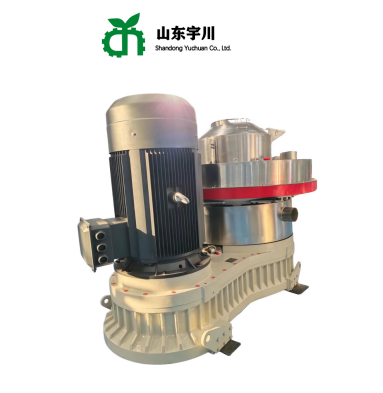
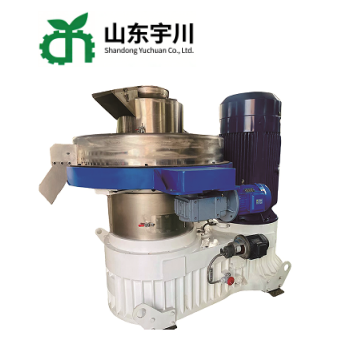
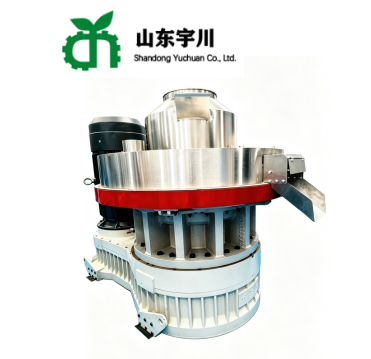
Wood Pellet Mill
1. High Production Efficiency
Designed for continuous pellet production, our wood pellet mill helps improve production efficiency and meet different capacity requirements.
2. Durable and Reliable Structure
Built with a robust structure and wear-resistant components to support stable operation and extend service life.
3. Wide Range of Applications
Suitable for processing sawdust, wood shavings, and other suitable biomass materials into pellets.
4. Uniform Pellet Quality
Designed to produce uniform pellets with consistent shapes when operated with suitable raw materials and settings.
5. Easy Operation and Maintenance
Designed for convenient operation and routine maintenance, helping reduce equipment downtime.
6. Customized Solutions Available
Machine configurations can be tailored to raw material characteristics, production capacity, and specific customer requirements.
1. Product Overview
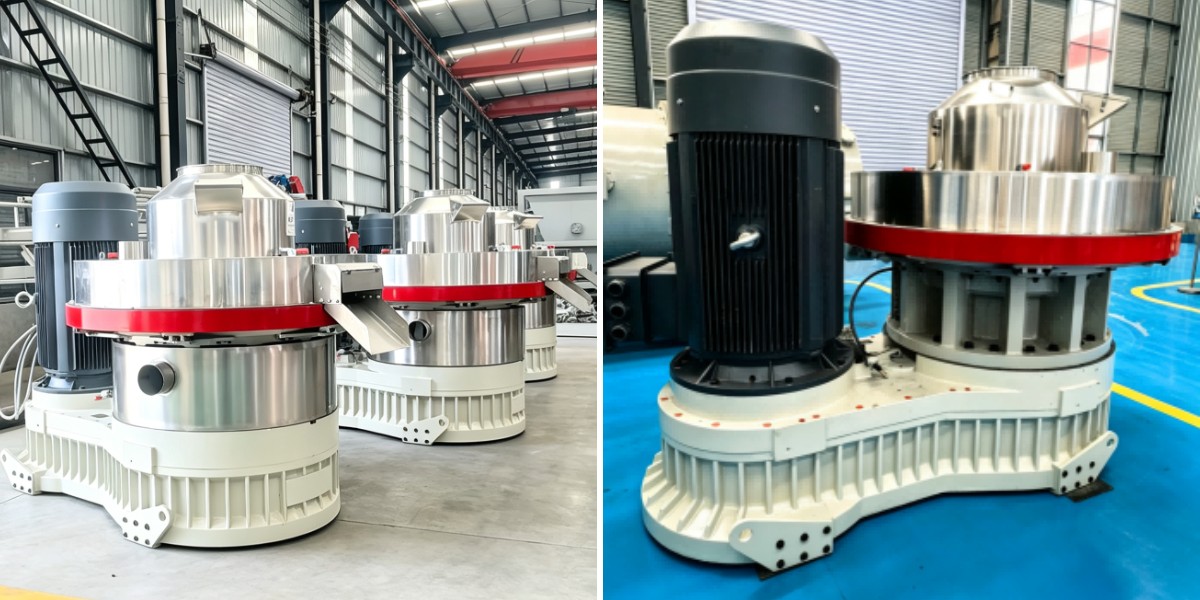
A Wood Pellet Mill is an essential machine for converting suitable wood waste and biomass materials into dense, uniform pellets. It is widely used in biomass fuel production, wood processing facilities, and commercial pellet manufacturing projects.
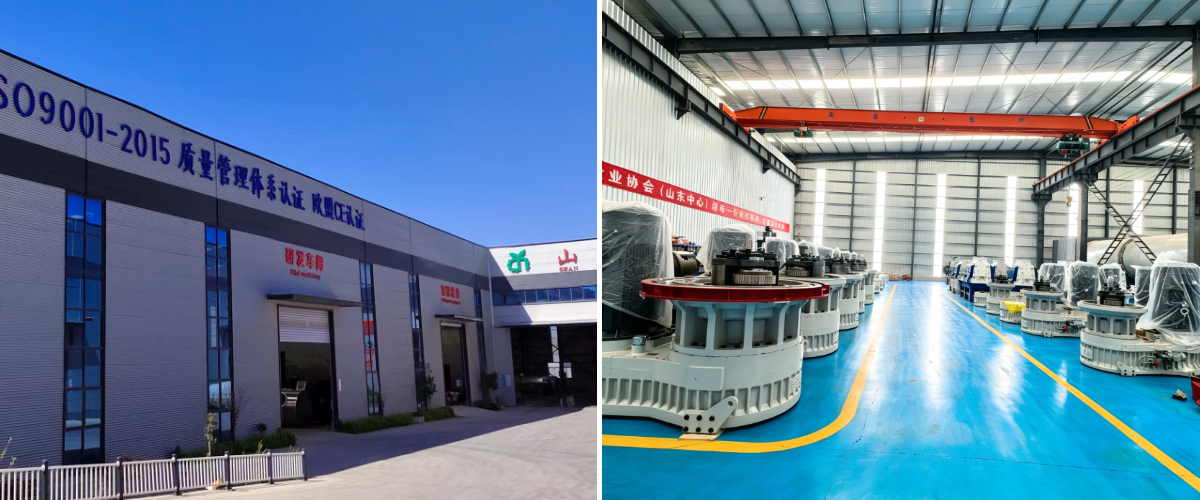
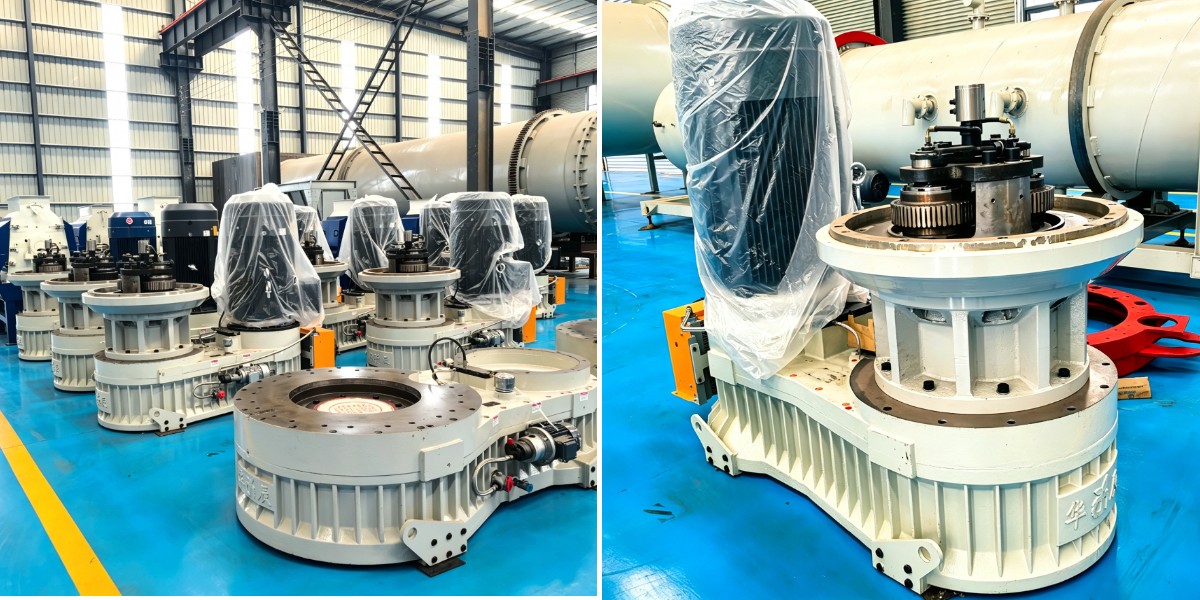
Our vertical ring die pellet machine is designed for biomass pelletizing applications. It can process suitable materials such as sawdust, wood shavings, and other biomass feedstocks into pellets for different industrial uses.
Whether you are upgrading an existing facility or planning a new biomass pellet project, choosing the right Wood Pellet Mill helps you build an efficient
A Woodproduction process based on your raw materials, capacity requirements, and finished pellet specifications.
Technical Specifications of Wood Pellet Mill
Modle | YC-560 | YC-700 | YC-850 | YC-850 |
Main motor power | 132KW | 160KW | 250KW | 280KW |
Yield | 1.5-2T | 2-2.5T | 3.5T | 4T |
2. Key Advantages of Our Wood Pellet Mill
1. Vertical Ring Die Design
The vertical ring die design is developed for biomass pelletizing applications. Machine configurations can be selected according to raw material characteristics, required output, and production conditions.
2. Stable Pelletizing Performance
A properly configured Wood Pellet Mill helps maintain consistent pelletizing performance when raw material moisture, particle size, and operating parameters are properly controlled.
3. Wide Raw Material Compatibility
The machine can be configured for suitable biomass materials, including sawdust, wood shavings, and selected agricultural residues. Material compatibility should be confirmed before purchasing.
4. Uniform Pellet Formation
With suitable raw materials and operating settings, the Wood Pellet Mill can produce pellets with consistent shapes and dimensions to meet different application requirements.
5. Convenient Operation and Maintenance
Routine inspection, lubrication, and timely replacement of wear parts help maintain reliable operation and reduce unnecessary downtime.
6. Flexible Equipment Configuration
Different projects require different production solutions. Machine specifications and auxiliary equipment can be selected according to raw material characteristics, production capacity, and finished pellet requirements.
3. How Does a Wood Pellet Mill Work?
A Wood Pellet Mill compresses prepared biomass material through a die to form pellets. The complete production process generally includes the following steps:
Step 1: Raw Material Preparation
Collect and prepare sawdust, wood shavings, or other suitable biomass materials.
Step 2: Size Reduction
Use a crusher or hammer mill to reduce oversized materials to a suitable particle size.
Step 3: Drying
If the raw material contains excessive moisture, a suitable dryer may be required before pelletizing.
Step 4: Pelletizing
The prepared material enters the Wood Pellet Mill and is compressed through die holes to form pellets.
Step 5: Cooling and Screening
Fresh pellets may require cooling and screening to improve handling and remove excess fines before storage or packaging.
4. Applications of Wood Pellet Mills
Biomass Fuel Production
Pellet Mill can convert suitable sawdust and wood residues into biomass fuel pellets for compatible heating systems and industrial applications.
Sawmills and Woodworking Factories
Woodworking businesses often generate sawdust, shavings, and other wood residues. Pelletizing suitable by-products can make them easier to store, transport, and potentially sell.
Biomass Pellet Manufacturing Plants
Commercial pellet manufacturers can integrate a Wood Pellet Mill with drying, crushing, conveying, cooling, and screening equipment to establish a complete production line.
Agricultural Biomass Processing
Selected agricultural residues may also be pelletized when their physical properties and the machine configuration are suitable.
5. Standalone Wood Pellet Mill or Complete Production Line?
Standalone Wood Pellet Mill
A standalone Wood Pellet Mill may be suitable if you already have the necessary raw material preparation, drying, and pellet handling equipment.
Complete Wood Pellet Production Line
A complete production line may be a better option for new projects that require integrated equipment for crushing, drying, pelletizing, cooling, screening, and conveying.
A well-planned production line helps coordinate equipment capacity and reduce bottlenecks between processing stages.
6. How to Choose the Right Wood Pellet Mill
Before purchasing a Wood Pellet Mill, consider the following factors:
Raw Material : Identify whether you will process sawdust, wood shavings, wood chips, or other biomass materials.
Moisture Content : Determine the initial moisture content and whether drying equipment is required.
Production Capacity : Define your target output in kilograms or tons per hour.
Pellet Specifications : Confirm the required pellet diameter, length, and end use.
Power Supply : Check the voltage, frequency, and electrical requirements at your facility.
Auxiliary Equipment : Evaluate whether you need a crusher, dryer, conveyor, cooler, screening machine, or packaging system.
Providing these details helps the supplier recommend a more suitable Wood Pellet Mill configuration.
7. Frequently Asked Questions
Q1: What raw materials can a Wood Pellet Mill process?
A Wood Pellet Mill can process suitable materials such as sawdust and wood shavings. Other biomass materials may also be suitable depending on their physical properties and the machine configuration.
Q2: Does sawdust need to be dried before pelletizing?
Not always. It depends on the initial moisture content and the requirements of the selected machine and production process. Material with excessive moisture may need drying before pelletizing.
Q3: What is the difference between a ring die pellet mill and a flat die pellet mill?
Ring die and flat die pellet mills use different die structures and feeding arrangements. The appropriate design depends on the intended application, production scale, material characteristics, and machine specifications.
Q4: Can I purchase a complete Wood Pellet Production Line?
A complete solution may include crushing, drying, pelletizing, cooling, screening, and conveying equipment, depending on project requirements and the supplier's product range.
Q5: How can I get a quotation for a Wood Pellet Mill?
Please provide your raw material type, initial moisture content, required production capacity, pellet diameter, power supply, and destination country. Photos or videos of your raw material can also help with preliminary evaluation.
8. Request a Wood Pellet Mill Quotation
Are you looking for a reliable Wood Pellet Mill for your biomass processing project?
Tell us about your raw materials, target production capacity, and finished pellet requirements. Our team can evaluate your needs and recommend a suitable machine configuration.
Contact us today to discuss your project and request a quotation for a Wood Pellet Mill.
Raw Material: Sawdust, wood shavings, or other suitable biomass
Required Capacity: Please specify your target output
Pellet Diameter: Please specify your required size
Project Type: Standalone machine or complete production line
Send us your requirements to start planning your wood pellet production project.