5 Common Problems in Biomass Drying and How to Solve Them
Biomass materials such as wood chips, sawdust, straw, rice husks, bagasse, palm fiber and coconut coir are increasingly used for biomass fuel, animal bedding, feed and pellet production. However, moisture is one of the most important factors affecting biomass processing.
If the raw material contains too much moisture, it can cause problems such as unstable production, high energy consumption, poor pellet quality and material blockage. Choosing a suitable Biomass Dryer and using the correct drying process can significantly improve processing efficiency.
Here are five common problems encountered during biomass drying and practical ways to solve them.
1. High Initial Moisture Content
One of the most common problems is excessive moisture in the raw material.
Fresh wood chips, straw, bagasse, coconut coir and other biomass materials may contain a considerable amount of water. If these materials enter the pelletizing or subsequent processing stage without sufficient drying, production efficiency can be affected.
Solution:
A suitable Biomass Drying Machine should be selected according to the initial moisture content, material type and required final moisture level. For materials with high moisture, the drying system should provide sufficient heat and stable airflow to gradually remove moisture.
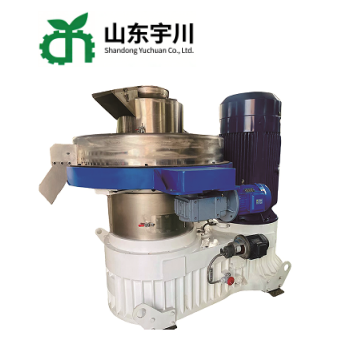
For biomass pellet production, controlling the moisture before pelletizing is particularly important because both excessively wet and excessively dry materials can affect pellet forming performance.
2. Uneven Drying
Another common problem is uneven moisture after drying.
Some materials may be over-dried while others remain wet. This can happen when the material size is inconsistent, the feeding rate is unstable or the hot air does not contact the material evenly.
Uneven drying is especially noticeable when processing materials such as wood chips, straw and fibrous biomass.
Solution:
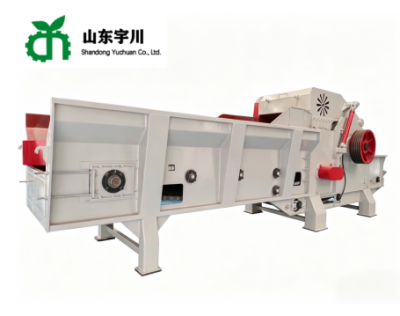
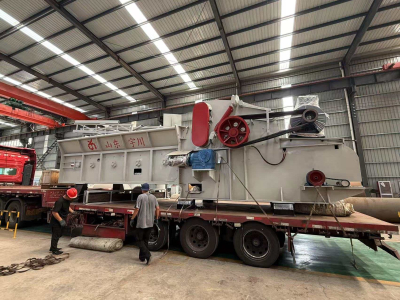
Before drying, large or irregular materials should be properly crushed or processed to achieve a more suitable particle size. The feeding system should also maintain a stable and continuous material flow.
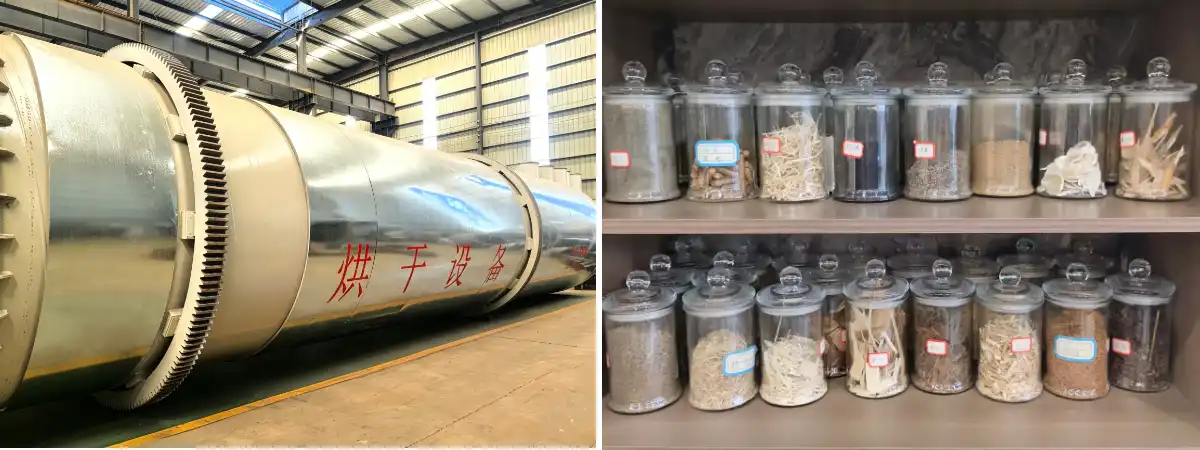
A well-designed Rotary Drum Dryer uses continuous material movement and hot-air circulation to improve heat and mass transfer, helping achieve more uniform drying.
3. High Energy Consumption
Drying is often one of the major energy-consuming stages in biomass processing.
If the dryer has poor thermal efficiency, excessive heat loss or an unsuitable heat source, operating costs can increase significantly.
Solution:
An energy-efficient Industrial Dryer should optimize the relationship between heat source, hot-air temperature, material residence time and airflow.
Proper insulation, reasonable hot-air circulation and efficient heat utilization can reduce unnecessary energy loss. For biomass projects, the heat source can also be selected according to local fuel availability and project requirements.
The goal is not simply to increase the drying temperature, but to achieve effective moisture removal with reasonable energy consumption.
4. Material Blockage and Poor Feeding
Some biomass materials are difficult to dry because they are lightweight, fibrous, sticky or irregular in shape.
Wet sawdust, high-moisture straw, bagasse and other materials may stick together during transportation and drying. This can lead to unstable feeding, material accumulation or even blockage.
Solution:
Material characteristics should be considered before selecting the drying equipment.
For large wood chips or long straw, crushing may be required before drying. For sticky or high-moisture materials, the feeding system, drum structure and airflow should be properly designed.
A complete Biomass Dryer system should not focus only on the drying drum. Feeding, crushing, heat supply, dust collection and material discharge should work together as one system.
5. Dust and Environmental Problems
Biomass drying can generate dust, especially when processing sawdust, wood chips, straw powder and other fine materials.
Without an appropriate dust collection system, dust may escape into the workshop, affecting the working environment and potentially reducing the overall efficiency of the production system.
Solution:
A suitable dust collection system should be integrated with the drying equipment.
Depending on the material and production capacity, the system can be equipped with cyclone dust collectors, bag filters or other suitable dust-control equipment.
For large-scale biomass processing projects, the dryer, heat source and dust collection system should be considered together during project design.
Why Is the Right Biomass Dryer Important?
Different biomass materials have different physical characteristics. Wood chips are different from sawdust, while straw, bagasse and coconut coir also have different moisture-release characteristics.
Therefore, there is no universal drying setting suitable for every material.
When selecting a Biomass Dryer, buyers should consider:
Initial moisture content
Required final moisture content
Material particle size
Material density and structure
Processing capacity
Available heat source
Energy consumption
Dust-control requirements
Available installation space
For biomass pellet production, drying should also be coordinated with the crushing and pelletizing processes. A stable drying process can help create more consistent raw materials for the pellet mill and improve the overall stability of the production line.
Yuchuan Biomass Drying Solutions
Shandong Yuchuan focuses on the development and manufacturing of industrial drying equipment and complete biomass processing solutions.
Yuchuan drying systems can be designed for different materials, including wood chips, sawdust, straw, bagasse, palm fiber, coconut coir and other biomass materials.
For some large or irregular raw materials, crushing can be arranged before drying. For high-moisture materials, the drying system can be designed according to the material characteristics, capacity and required moisture content.
A complete solution can integrate the Biomass Dryer, crusher, heat source, feeding system and dust collection equipment, helping customers build a more stable and efficient biomass processing system.
Conclusion
Biomass drying is more than simply removing water from raw materials. Moisture content, particle size, heat transfer, energy efficiency, material feeding and dust control can all influence the final drying performance.
By identifying common problems before purchasing equipment, biomass processors can avoid unnecessary energy consumption and improve production stability.
For customers processing wood chips, sawdust, straw, bagasse, coconut coir or other biomass materials, selecting the right Biomass Dryer based on actual material conditions is an important step toward efficient and reliable production.