How to Choose the Right Biomass Pellet Machine for Different Raw Materials?
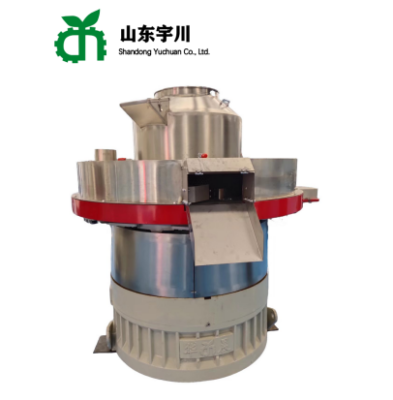
As the demand for renewable biomass fuel continues to grow, more manufacturers are investing in biomass pellet production lines. However, choosing a suitable Biomass Pellet Machine is not simply a matter of selecting a machine with a larger capacity.
Different raw materials have different moisture levels, fiber structures, densities, and pelletizing characteristics. Sawdust, wood chips, straw, rice husk, corn stalks, peanut shells, palm fiber, and other biomass materials may require different processing conditions.
For this reason, the right pellet machine should be selected according to the raw material, production capacity, pellet size, and complete production process.
1. Raw Material Is the First Factor to Consider
The performance of a pellet machine is closely related to the characteristics of the raw material.
For example, sawdust is relatively easy to process because of its small particle size, while straw and agricultural residues often have longer fibers and may require additional crushing or preparation before pelletizing.
Materials such as rice husk, peanut shells, palm fiber, and corn stalks can also have different levels of hardness and fiber content.
Before selecting a Biomass Pellet Machine, manufacturers should evaluate:
Raw material type
Moisture content
Particle size
Bulk density
Fiber content
Required pellet diameter
Expected production capacity
This information helps determine the appropriate pelletizing solution.
2. Moisture Control Matters Before Pelletizing
Even a high-performance pellet machine may not achieve stable production if the raw material has unsuitable moisture.
Materials with excessive moisture can affect feeding and pellet formation, while material that is too dry may also make pelletizing more difficult.
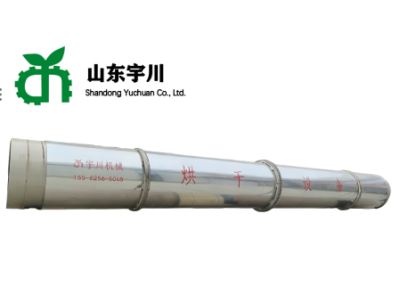
Therefore, drying is often an important process before pelletizing.
3. Capacity Should Match the Entire Production Line
When building a biomass pellet production line, production capacity should be considered as a complete system.
If the pellet mill has a higher capacity than the dryer or crusher, the pellet machine may not receive enough prepared material. Conversely, if upstream equipment produces significantly more material than the pellet machine can process, material accumulation may occur.
Therefore, the crusher, dryer, pellet machine, cooler, screening system, and other equipment should be reasonably matched.
4. One Pellet Machine Can Serve Multiple Biomass Applications
Modern biomass pelletizing equipment can be used for a wide range of prepared biomass materials.
Depending on the machine configuration and production requirements, applications may include:
Wood sawdust
Wood chips
Wheat straw
Corn stalks
Rice husk
Peanut shells
Cotton stalks
Palm fiber
Coconut residues
Other agricultural biomass
These materials can be processed into biomass fuel pellets for heating, industrial boilers, biomass energy applications, and other uses.
For manufacturers processing multiple raw materials, a flexible Biomass Pellet Machine can provide greater production adaptability.
Conclusion
Choosing the right Biomass Pellet Machine is an important step toward building a stable and efficient biomass pellet production line.
Instead of focusing only on machine capacity, buyers should consider raw material characteristics, moisture content, particle size, pellet specifications, energy consumption, and the matching of upstream and downstream equipment.
With the right combination of crushing, drying, pelletizing, cooling, and screening equipment, biomass waste can be efficiently converted into valuable fuel pellets.
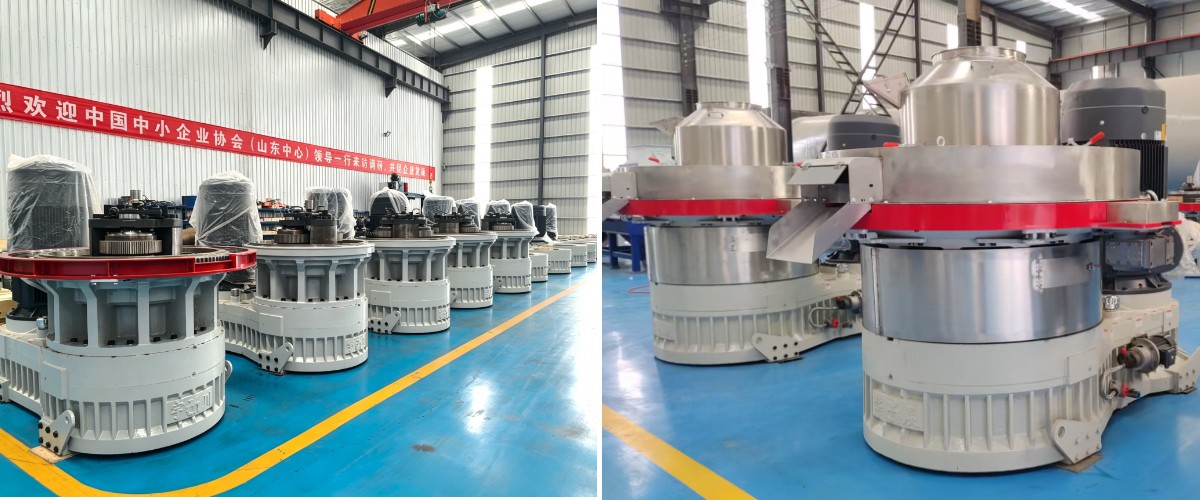
Yuchuan provides biomass pellet machines and complete production line solutions for global customers. If you are planning a new biomass pellet project or upgrading an existing production line, the equipment can be configured according to your actual raw materials and production requirements.