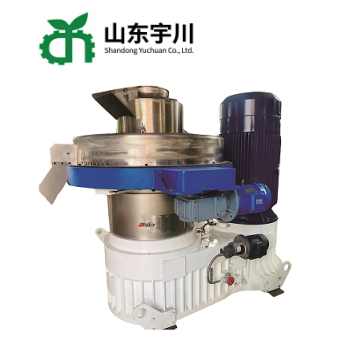
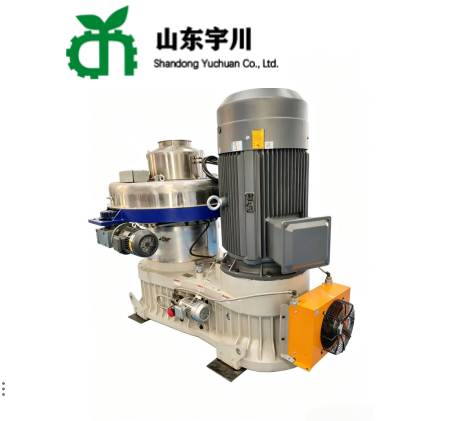
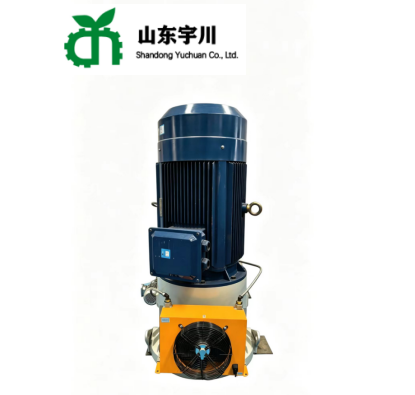
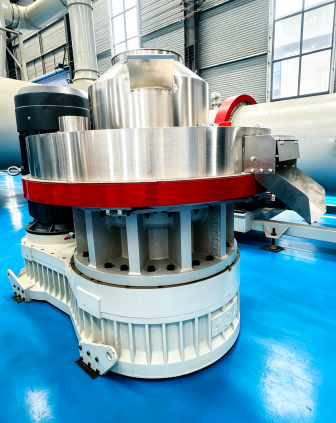
Straw Pellet Mill
Wide Raw Material Compatibility:
Suitable for processing straw, wheat straw, rice straw, and other agricultural residues.
High-Efficiency Pelletizing:
Compresses loose straw into compact pellets for easier storage and transportation.Cost-Effective Operation:
Helps improve raw material utilization and reduce biomass processing costs.
Customizable Solutions:
Machine configurations can be selected according to raw materials and production capacity requirements.
Product Overview
A Straw Pellet Mill is designed to compress loose agricultural straw into dense, uniform biomass pellets. It provides an efficient processing solution for wheat straw, rice straw, corn stalks, and other suitable agricultural residues. By converting bulky straw into compact pellets, the machine helps improve material handling, storage, transportation, and utilization.
For biomass fuel producers, farms, and agricultural waste recycling businesses, a Straw Pellet Mill offers a practical way to turn underutilized crop residues into valuable biomass resources. It can operate as an independent pelletizing machine or be integrated into a complete straw pellet production line with crushing, drying, conveying, cooling, and screening equipment.
Key Advantages
Wide Raw Material Compatibility
Processes suitable wheat straw, rice straw, corn stalks, and other fibrous agricultural residues. The feeding and pretreatment configuration can be selected according to the raw material.
Compact Pellet Formation
Compression transforms loose straw into compact pellets, helping reduce bulk volume and making subsequent storage, handling, and transportation more convenient.
Reliable Pelletizing Structure
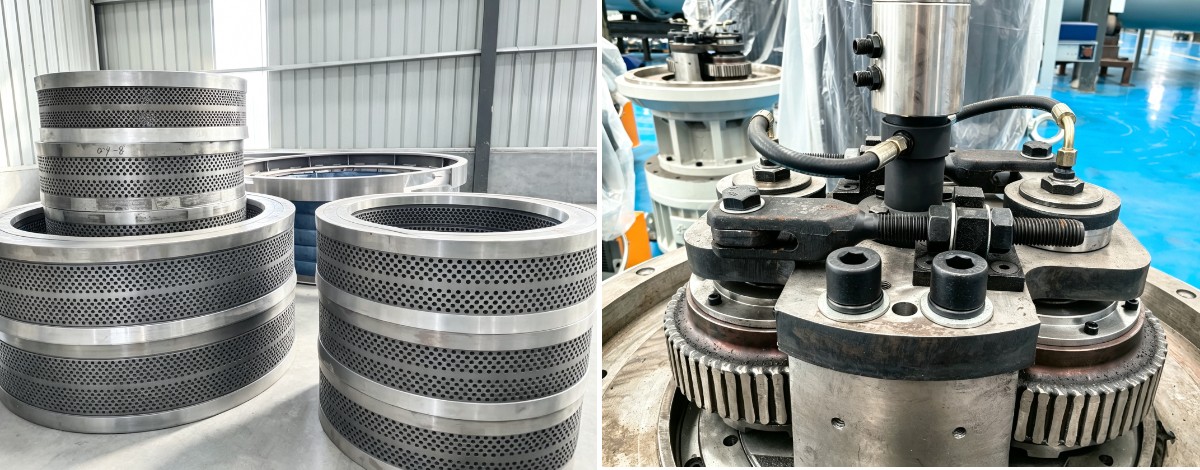
The pelletizing system applies mechanical pressure to form biomass pellets. Suitable die specifications and wear-resistant components can be selected according to the material and operating requirements.
Flexible Production Line Integration
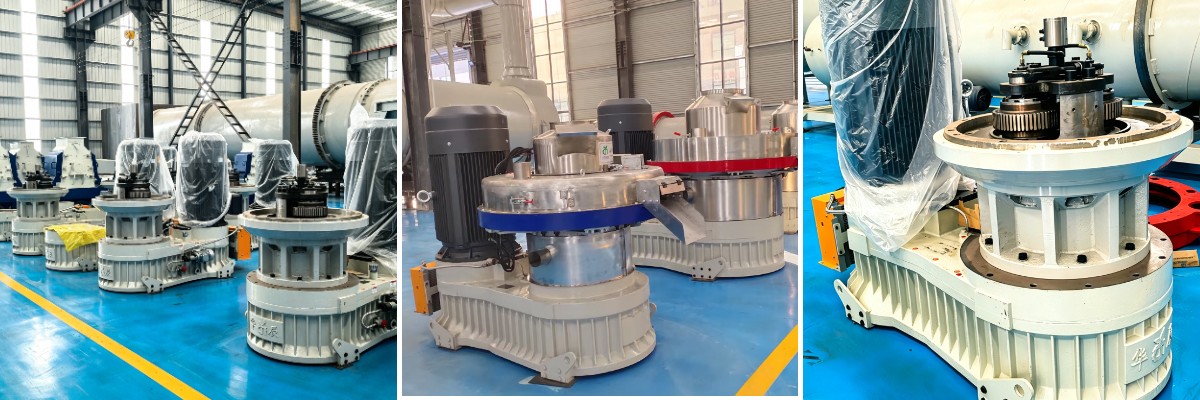
The Straw Pellet Mill can be matched with crushing, drying, conveying, cooling, and screening equipment to create a processing system suited to the customer's production capacity and material conditions.
Improved Resource Utilization
Converting crop residues into pellets creates more options for biomass fuel production and agricultural residue utilization, helping businesses explore additional value from available raw materials.
3. How Does a Straw Pellet Mill Work?
The Straw Pellet Mill uses mechanical pressure to compress prepared straw into pellets. For stable production, the raw material usually needs to be processed according to its size, moisture content, and fiber characteristics before entering the pelletizing chamber.
The typical process includes:
Raw Material Preparation: Remove unsuitable impurities and check the condition of the straw.
Crushing: Reduce long stalks into smaller particles suitable for feeding and pelletizing.
Drying: Adjust moisture content when the raw material is too wet for stable pellet formation.
Pelletizing: Feed the prepared material into the Straw Pellet Mill for compression and shaping.
Cooling and Screening: Cool the hot pellets and remove excessive fines before storage or packaging.
The exact process depends on the raw material, target pellet quality, and required production capacity. Some projects may not require every stage.
4. Applications
A Straw Pellet Mill can support a variety of agricultural and biomass processing projects.
Biomass Fuel Production: Converts suitable straw into biomass pellets for compatible heating and combustion systems.
Agricultural Waste Recycling: Helps process crop residues that would otherwise be difficult to handle or store in loose form.
Biomass Pellet Plants: Serves as a core pelletizing unit in small, medium, or large processing projects, depending on the selected model.
Farm and Agricultural Cooperatives: Provides a potential solution for processing locally available straw resources.
Integrated Biomass Projects: Works with dryers, crushers, conveyors, and cooling systems to support continuous production.
5. How to Choose the Right Straw Pellet Mill
Choosing the right Straw Pellet Mill involves more than comparing machine prices. The following factors can help buyers identify a suitable configuration:
Raw Material Type: Specify whether you mainly process wheat straw, rice straw, corn stalks, or mixed residues.
Required Capacity: Define the target output in tons per hour and consider the expected operating schedule.
Moisture Content: Determine whether drying is required before pelletizing.
Particle Size: Check whether a straw crusher or cutting machine is needed.
Pellet Specifications: Confirm the desired pellet diameter, length, density, and end-use requirements.
Production Line Configuration: Decide whether you need an individual machine or a complete straw pellet production line.
Maintenance and Service: Consider access to wearing parts, technical support, installation guidance, and operator training.
Technical Specifications of Straw Pellet Mill
Modle | YC-560 | YC-700 | YC-850 | YC-850 |
Main motor power | 132KW | 160KW | 250KW | 280KW |
Yield | 1.5-2T | 2-2.5T | 3.5T | 4T |
6. Frequently Asked Questions
Q1: What materials can a Straw Pellet Mill process?
A: It can process suitable wheat straw, rice straw, corn stalks, and other agricultural residues. The machine configuration depends on material properties and the intended application.
Q2: Does straw need to be crushed before pelletizing?
A: In most applications, long straw should be cut or crushed to a suitable size to improve feeding and pelletizing stability. The required particle size depends on the machine design and raw material.
Q3: Is a dryer necessary for a Straw Pellet Mill?
A: Not always. If the straw moisture content is already suitable for pelletizing, additional drying may not be necessary. Wet materials may require a drying system to achieve stable production and the desired pellet quality.
Q4: Can the Straw Pellet Mill be integrated into a complete production line?
A: Yes. It can be combined with crushing, drying, conveying, cooling, and screening equipment according to the required capacity and production process.
Q5: How can I get a suitable machine configuration and quotation?
A: Provide your main raw material, initial moisture content, required capacity, target pellet size, and installation location. These details help the supplier recommend a suitable Straw Pellet Mill and supporting equipment.
7. Get a Customized Straw Pelletizing Solution
Every biomass project has different raw material conditions, production targets, and investment requirements. Shandong Yuchuan provides pelletizing equipment and supporting solutions for biomass processing projects. Whether you need an individual Straw Pellet Mill or a complete straw pellet production line, equipment selection can be tailored to your material characteristics and production goals.
Contact us with your raw material details and expected output to discuss a suitable configuration for your project.