How Do You Choose the Right Industrial Pelletizing Machine for Your Factory?
1. Introduction: Why Is Choosing the Right Pelletizing Machine Important?
As global demand for renewable energy and sustainable industrial fuels continues to develop, biomass pellet production has become an increasingly important part of the bioenergy industry. Agricultural residues, forestry by-products, and wood-processing waste are being converted into standardized solid fuels for industrial heating, power generation, and commercial applications.
According to Bioenergy Europe's 2026 statistical report, global wood pellet production reached approximately 53.5 million tonnes in 2025, representing a 10% increase compared with 2024. Global consumption also reached approximately 51.5 million tonnes. These figures demonstrate the continued expansion of the international pellet industry and the growing importance of reliable manufacturing equipment.
For investors, biomass processing companies, and industrial manufacturers, selecting the right Industrial Pelletizing Machine is an important investment decision. Equipment selection directly affects production capacity, pellet quality, energy consumption, maintenance requirements, and overall operating costs.
However, not every pelletizing machine is suitable for every factory. Differences in raw materials, moisture content, production targets, and factory conditions must be carefully evaluated before purchasing equipment.
This article explains the major factors international buyers should consider when choosing an Industrial Pelletizing Machine for their production facilities.
2. Identify Your Raw Materials Before Selecting Equipment
2.1 Different Biomass Materials Require Different Processing Conditions
The first step in selecting an Industrial Pelletizing Machine is identifying the raw materials that will be processed.
Common biomass feedstocks include:
Sawdust and wood shavings
Wood chips and forestry residues
Rice husks and wheat straw
Corn stalks and agricultural residues
Palm fiber and empty fruit bunches (EFB)
Peanut shells and bamboo residues
Other suitable organic biomass materials
Different materials have different physical properties. Fiber length, natural lignin content, moisture level, bulk density, and particle size can all influence pelletizing performance.
For example, sawdust generally requires less mechanical size reduction than large wood chips. Palm fiber and agricultural residues may require additional crushing, drying, or mixing to achieve suitable processing conditions.
2.2 Evaluate Moisture Content and Particle Size
Moisture content is one of the most important factors affecting pellet formation. Excessive moisture may cause poor compression, unstable extrusion, and increased drying requirements. Insufficient moisture can also affect material bonding and pellet durability.
For many wood biomass applications, a moisture content of approximately 10%–15% is commonly used as an initial process reference. However, the appropriate operating range depends on the material and equipment configuration.
Particle size should also be controlled to ensure uniform feeding and effective compression.
Before purchasing an Industrial Pelletizing Machine, buyers should provide the manufacturer with representative raw material samples whenever possible. Material testing can help determine suitable pretreatment requirements and reduce investment risks.
3. Determine the Required Production Capacity
3.1 Match Machine Output with Factory Requirements
Production capacity is another essential consideration when selecting an Industrial Pelletizing Machine.
Industrial buyers should calculate their expected production requirements based on available raw materials, operating hours, delivery commitments, and market demand.
Typical project capacity categories include:
Small commercial production: approximately 300–500 kg/h.
Medium-scale production: approximately 1–2 T/H.
Industrial production: approximately 3–5 T/H.
Large-scale manufacturing: 5 T/H or higher.
These figures are general project planning categories rather than guaranteed machine outputs.
Actual capacity depends on raw material characteristics, moisture content, die specifications, motor configuration, and operating conditions.
3.2 Consider the Entire Production System
A common purchasing mistake is evaluating the output of the main pelletizing machine without considering the capacity of supporting equipment.
For example, if the drying section cannot provide enough prepared material, the pelletizing machine may experience insufficient feeding. Similarly, inadequate cooling or screening capacity can create bottlenecks after pellet formation.
A properly designed Industrial Pelletizing Machine system should therefore be evaluated together with its crushing, drying, conveying, cooling, screening, and packaging sections.
The objective is to maintain balanced production across the entire manufacturing process rather than maximizing the capacity of one individual machine.
4. Understand Different Pelletizing Machine Structures
4.1 Vertical Ring Die Pelletizing Machine
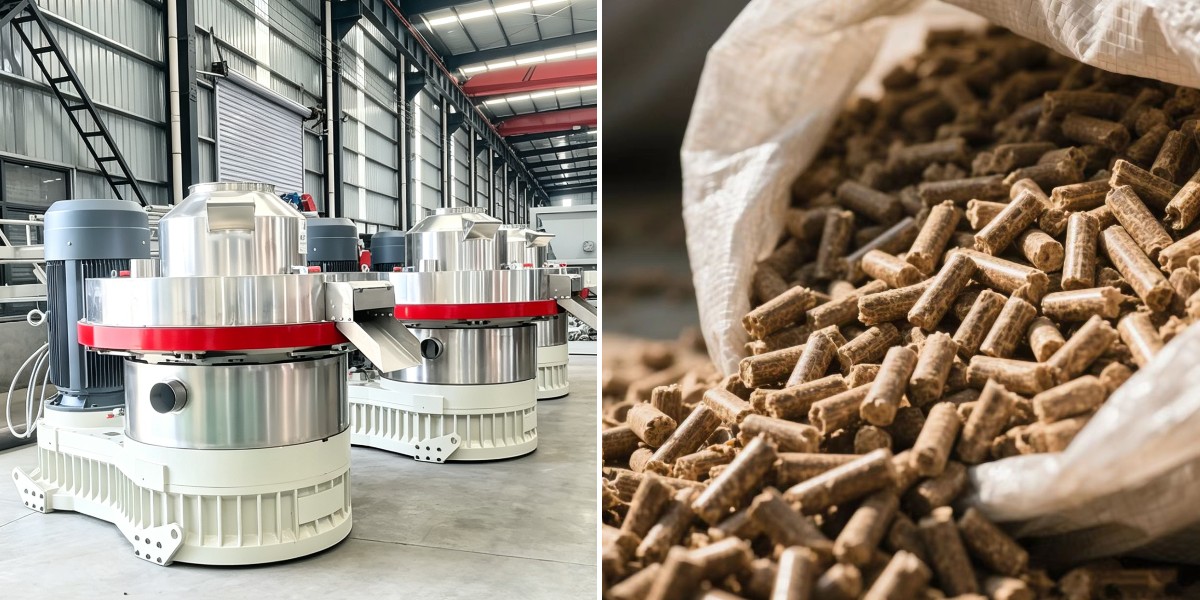
The vertical ring die design is an important configuration used in industrial biomass pellet production.
In this structure, the ring die is installed vertically, while the rollers apply pressure to the prepared material inside the pelletizing chamber. The material is compressed and extruded through the die holes to form cylindrical pellets.
A properly designed Vertical Ring Die Pellet Machine offers several potential advantages:
Stable material distribution within the working chamber.
Efficient cooperation between rollers and ring die.
Continuous pellet formation under suitable operating conditions.
A structure suitable for industrial production applications.
Flexibility in selecting die specifications for different pellet requirements.
The actual performance depends on machine design, component quality, material properties, and operating conditions.
4.2 Key Components to Evaluate
When comparing industrial pelletizing equipment, buyers should pay attention to the following components:
Ring Die: The ring die determines pellet diameter and influences compression conditions. Its material, heat treatment, hole design, and manufacturing accuracy are important considerations.
Pressure Rollers: Rollers apply mechanical pressure to compress biomass materials. Wear resistance and proper adjustment influence production stability.
Feeding System: A consistent feeding system helps distribute raw materials evenly and reduces interruptions caused by irregular material supply.
Main Drive System: The motor, transmission, and drive components determine the machine's operating performance and power requirements.
Cutting Device: The cutting system controls pellet length and helps produce finished products according to customer specifications.
When purchasing an Industrial Pelletizing Machine, it is important to request technical information about these components instead of comparing equipment prices alone.
5. Evaluate Technical Parameters and Energy Consumption
Technical specifications provide an objective basis for comparing different equipment suppliers.
Before confirming an Industrial Pelletizing Machine, international buyers should review the following parameters:
| Technical Parameter | What Buyers Should Check |
|---|---|
| Rated capacity | Output under specified raw material conditions |
| Main motor power | Installed power and operating requirements |
| Ring die diameter | Suitable pellet diameter and processing configuration |
| Roller configuration | Number, structure, and wear resistance |
| Pellet diameter | Required finished pellet specifications |
| Raw material moisture | Recommended processing range |
| Feeding system | Feeding stability and adjustment method |
| Overall dimensions | Factory installation requirements |
| Spare parts | Availability and replacement costs |
Energy consumption should also be evaluated carefully.
Rather than comparing motor power alone, buyers should request actual electricity consumption per tonne of finished pellets under clearly defined operating conditions.
A machine with higher installed power does not necessarily produce more pellets or consume more electricity per tonne. Raw material properties, production efficiency, and equipment configuration must all be considered.
6. Consider the Complete Biomass Pellet Production Process
An Industrial Pelletizing Machine is normally one part of a larger manufacturing system. For factories processing raw biomass materials, the complete production process may include several stages.
6.1 Crushing and Size Reduction
Large wood chips, branches, and agricultural residues are processed using suitable crushing equipment to achieve the required particle size.
6.2 Drying and Moisture Control
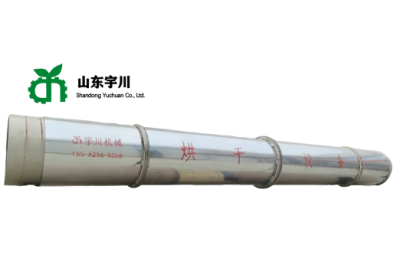
A rotary drum dryer can be used to reduce excessive moisture in biomass materials. Appropriate moisture control helps create more stable conditions for pellet formation.
6.3 Material Conveying and Feeding
Conveyors and feeding equipment transfer prepared materials into the pelletizing section. Stable material supply is essential for continuous operation.
6.4 Pelletizing and Compression
The Industrial Pelletizing Machine compresses prepared biomass materials through mechanical pressure and extrusion, producing cylindrical pellets.
6.5 Cooling, Screening, and Packaging
Freshly produced pellets are cooled before screening. The screening system separates qualified products from loose fines, while packaging equipment prepares finished pellets for storage and transportation.
A complete production line should be designed according to the actual raw material, target output, and factory layout.
7. What Do International Buyers Really Care About?
For international B2B buyers, purchasing decisions are influenced by more than the initial equipment quotation.
Several factors frequently determine whether a supplier can become a long-term business partner.
Production Reliability: Buyers want equipment capable of maintaining stable production under continuous industrial working conditions.
Operating Costs: Electricity consumption, wear parts, labor requirements, and maintenance expenses directly influence long-term profitability.
Product Quality: Consistent pellet dimensions, density, and durability are important for customers supplying industrial fuel markets.
Technical Support: Overseas buyers often need installation guidance, operating instructions, spare parts, and remote technical assistance.
Manufacturing Experience: Buyers prefer suppliers who understand different biomass materials and can explain the technical requirements of their projects.
Customized Solutions: A suitable equipment configuration should reflect actual factory conditions rather than relying on a standard quotation for every customer.
These considerations make supplier evaluation an important part of selecting the right Industrial Pelletizing Machine.
8. Biomass Pellet Market Trends and Future Opportunities
The international biomass pellet industry is developing alongside renewable energy policies, industrial decarbonization initiatives, and growing interest in agricultural waste utilization.
FAO statistics show that global wood pellet, briquette, and other agglomerate production reached approximately 52 million tonnes in 2024. International trade reached approximately 34 million tonnes.
The data also highlights the importance of international trade. The United Kingdom, Japan, and South Korea are among the major import markets, while the United States and Vietnam are important producers and exporters.
Several trends are particularly relevant to equipment manufacturers and investors.
First, Industrial Production Is Becoming More Integrated. Manufacturers increasingly focus on coordinating crushing, drying, pelletizing, cooling, and packaging to improve overall production efficiency.
Second, Agricultural Residues Are Receiving More Attention. Materials such as palm fiber, rice husks, straw, and other agricultural by-products offer opportunities for biomass processing projects in resource-rich regions.
Third, Equipment Reliability Is Becoming a Key Purchasing Factor. Buyers increasingly consider maintenance requirements, spare parts availability, and operating costs when evaluating machinery suppliers.
Fourth, Product Quality and Standardization Remain Important. International buyers supplying wood pellet markets may need to meet recognized specifications such as ISO 17225-2, which defines graded wood pellet quality requirements for industrial and non-industrial use.
These developments create opportunities for manufacturers offering reliable Industrial Biomass Pelletizing Equipment and complete processing solutions.
9. Why Choose Shandong Yuchuan for Your Pelletizing Project?
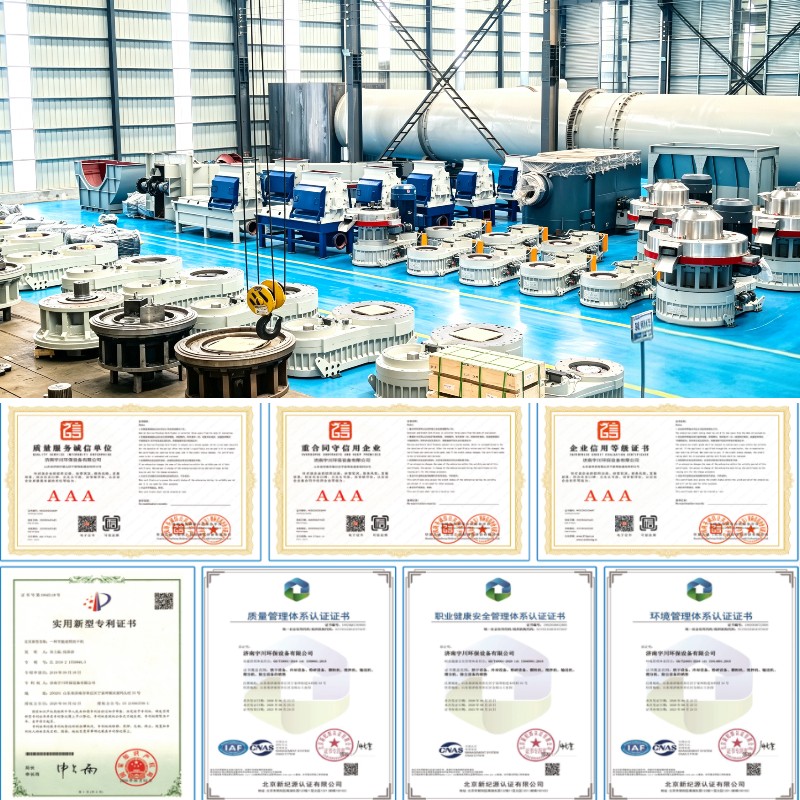
Shandong Yuchuan Environmental Protection Equipment Co., Ltd. is a biomass equipment manufacturer based in Jinan, Shandong, China.
The company focuses on biomass processing machinery, including industrial pelletizing machines, rotary drum dryers, wood crushers, and supporting equipment for complete biomass pellet production lines.
Yuchuan's equipment solutions are developed around the actual processing requirements of different customers.
For example, a project using pine sawdust may require a different pretreatment configuration from a project processing palm fiber or agricultural straw. Production capacity, moisture content, particle size, and final pellet specifications should all be considered during equipment selection.
For customers planning to establish or expand biomass pellet manufacturing facilities, Yuchuan can provide equipment recommendations and production line configurations based on project requirements.
The objective is to help customers select suitable machinery, coordinate individual processing sections, and develop a practical production solution.
10. Frequently Asked Questions (FAQ)
Q1: How do I choose the right Industrial Pelletizing Machine for my factory?
Start by identifying your raw materials, moisture content, required production capacity, and finished pellet specifications. Then evaluate the machine structure, motor power, die configuration, operating costs, and supporting equipment. A material test is recommended before confirming the final configuration.
Q2: What is the difference between a vertical ring die pellet machine and other pelletizing machines?
A vertical ring die pellet machine uses a vertically installed ring die and pressure rollers to compress and extrude biomass materials. Its structural design supports industrial pellet production. However, the best configuration depends on the raw material, required output, and actual working conditions.
Q3: Can one industrial pelletizing machine process different biomass materials?
Yes, one machine may process several compatible biomass materials. However, different materials may require adjustments to moisture content, particle size, feeding conditions, and operating parameters. Some materials also require additional crushing or drying before pelletizing.
Q4: What information should I provide to get an accurate equipment quotation?
Please provide your raw material type, moisture content, required capacity per hour, desired pellet diameter, and whether you need a single machine or a complete production line. Raw material photographs or samples can also help the manufacturer evaluate the project more accurately.
11. Get the Right Industrial Pelletizing Solution for Your Factory
Choosing the right Industrial Pelletizing Machine is an important step toward establishing an efficient and commercially viable biomass pellet production facility.
The best equipment is not necessarily the machine with the highest rated output or the lowest purchase price. It is the machine that matches your raw materials, production targets, factory conditions, and long-term operating requirements.
Shandong Yuchuan Environmental Protection Equipment Co., Ltd. welcomes inquiries from biomass fuel manufacturers, agricultural processing companies, wood-processing factories, and industrial investors worldwide.
Contact our team to request a detailed equipment quotation, technical specifications, production line layout, and further project information.
Tell us about your raw materials and production requirements. Let Yuchuan help you develop a suitable biomass pellet production solution.