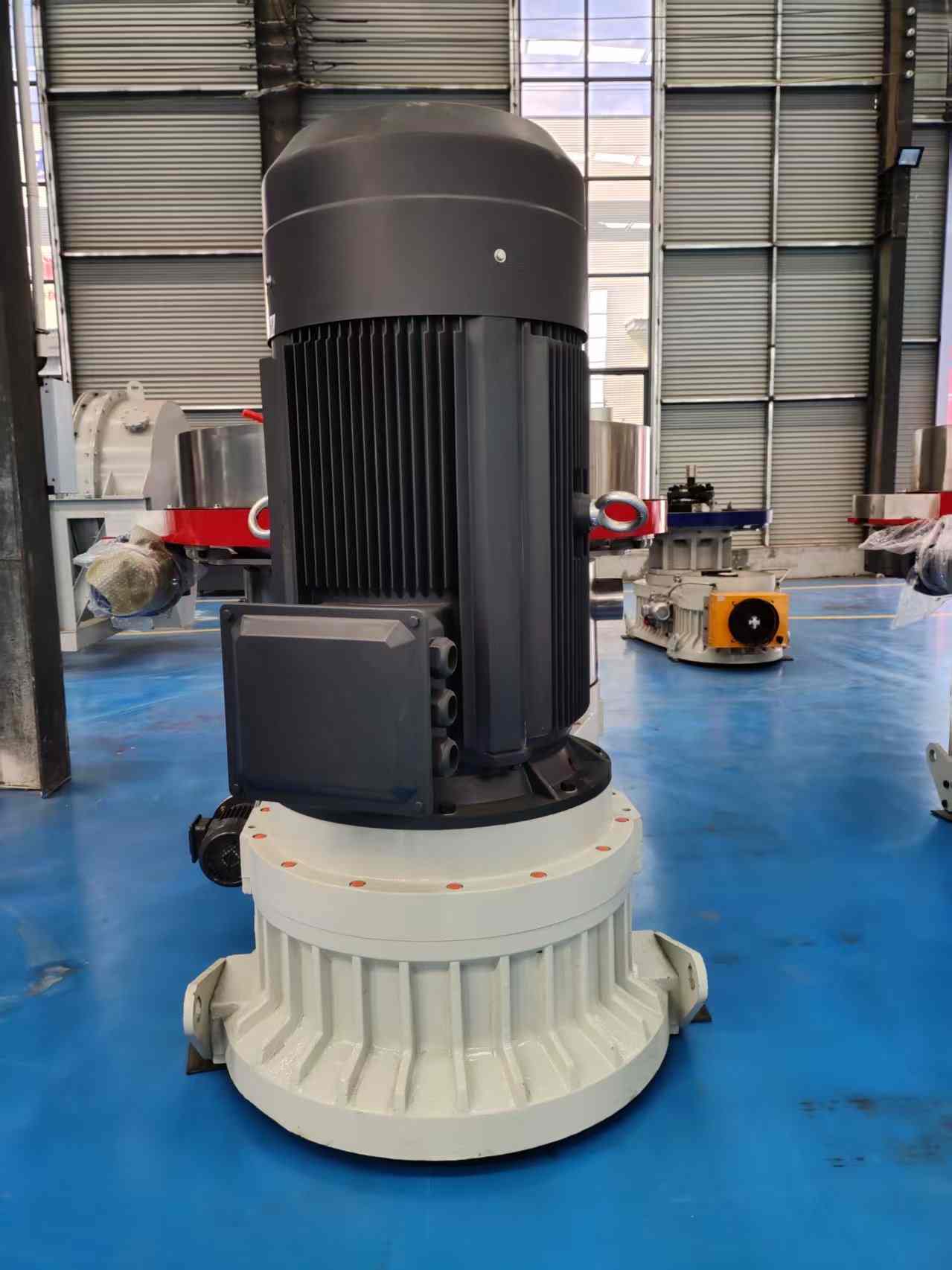
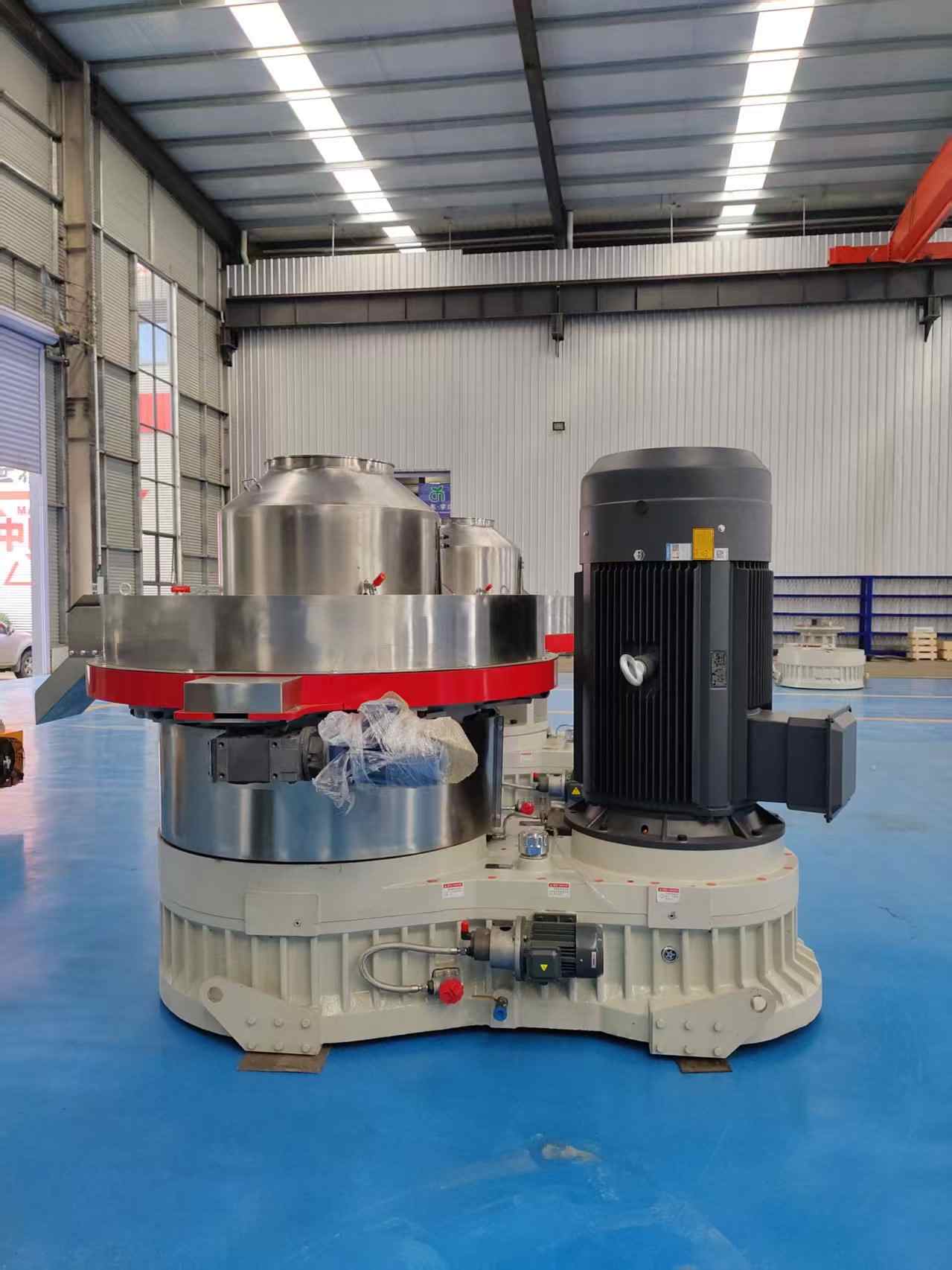
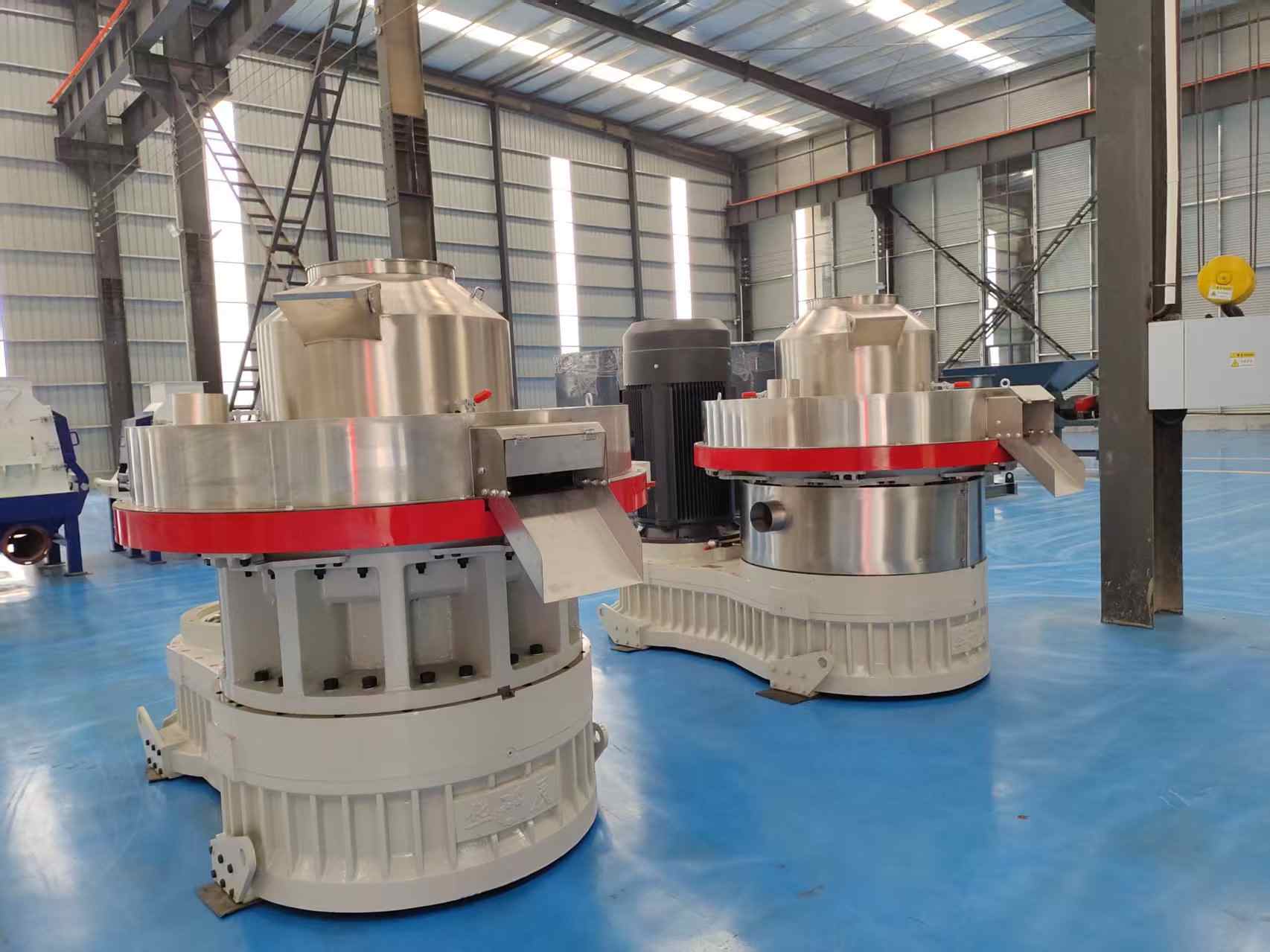
Biomass Pellet Mill
Large output & stable runningHigh capacity up to 2.5–3.5 t/h, suitable for medium and large-scale pellet plants. The reinforced main drive system ensures long-time continuous operation.
Strong adaptability for diverse raw materialsOptimized compression ratio design, works well for sawdust, wood shavings, straw, palm EFB, rice husk and other biomass materials. Easy to replace ring die for different pellets.
Lower consumption & easy maintenanceHeavy-duty roller assembly with long service life. Reasonable structure layout, convenient to replace wear parts, reduces your production cost.
Product Overview
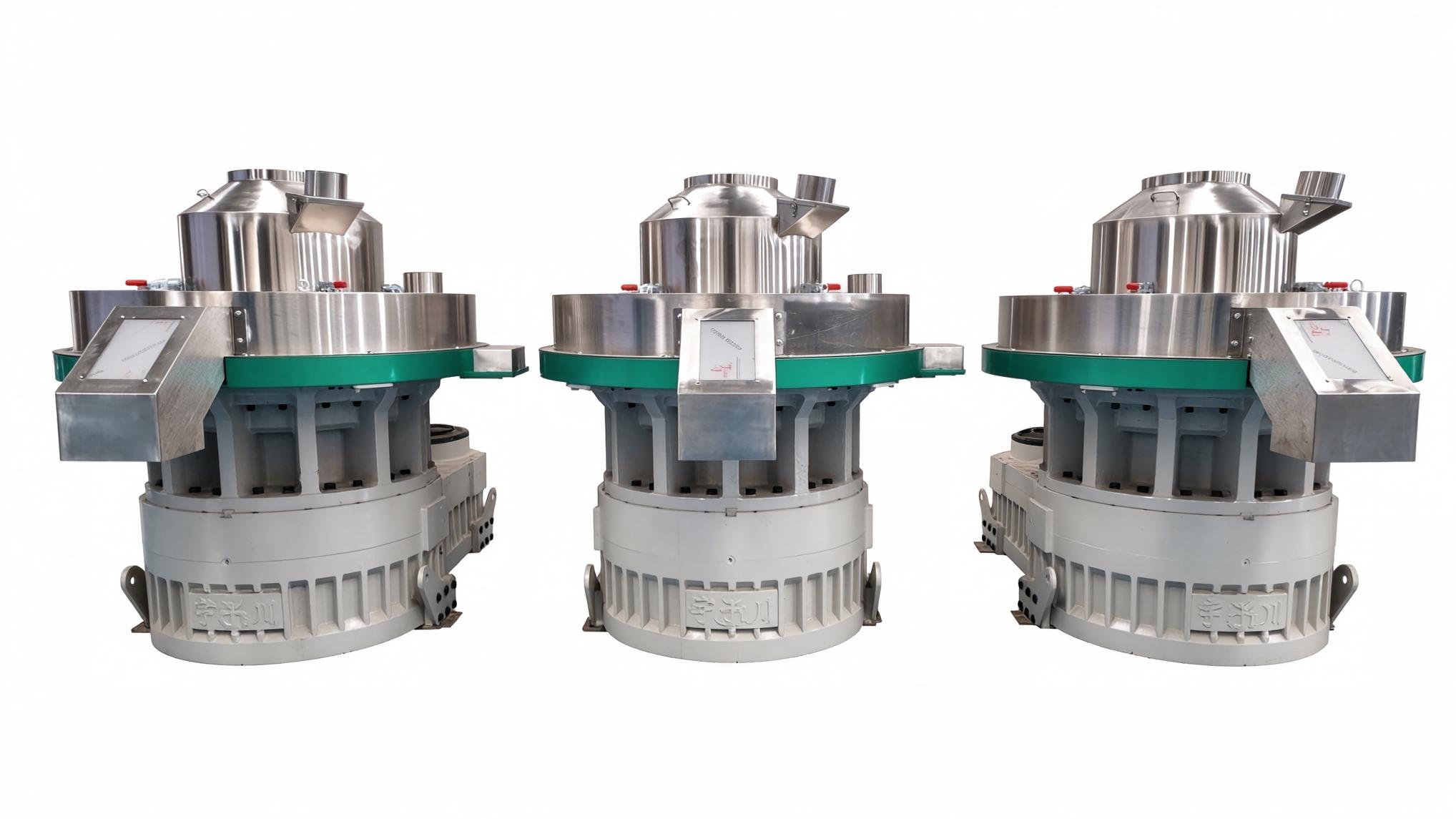
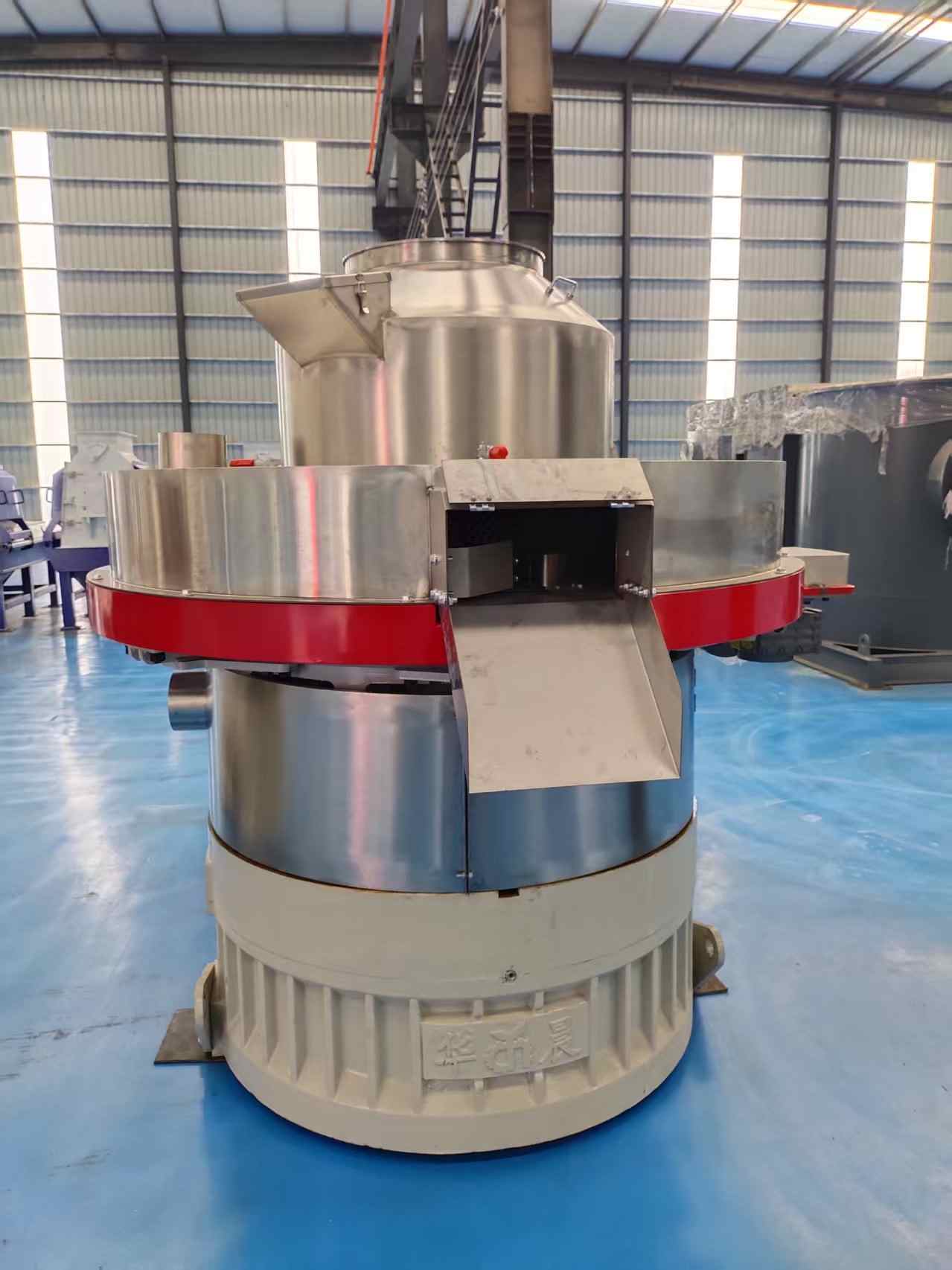
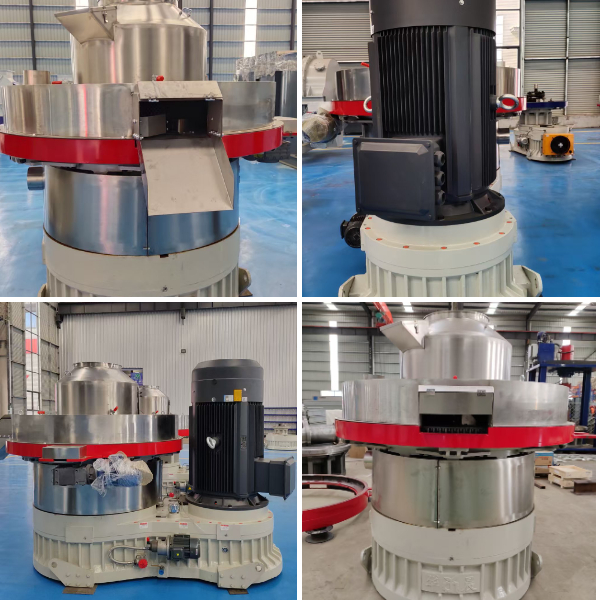
This vertical ring die biomass pellet mill is specialized equipment for biomass fuel pelletizing. It compresses agricultural and forest residues such as sawdust, wood shavings, straw, rice husk, palm EFB and corn cob into high-density biomass pellets. Adopting vertical ring die design, materials fall naturally for smooth feeding and less blockage. Adjustable compression ratio of ring die fits various raw materials, producing dense pellets with low ash content. The pellets are widely used for heating, biomass power plants, industrial boilers and animal feed. It can work standalone or form a complete pellet production line together with wood chipper, hammer mill, dryer, cooler and packing machine. CE and EAC certification available, stable supply of spare parts, ideal for small, medium and large-scale biomass pellet plants.
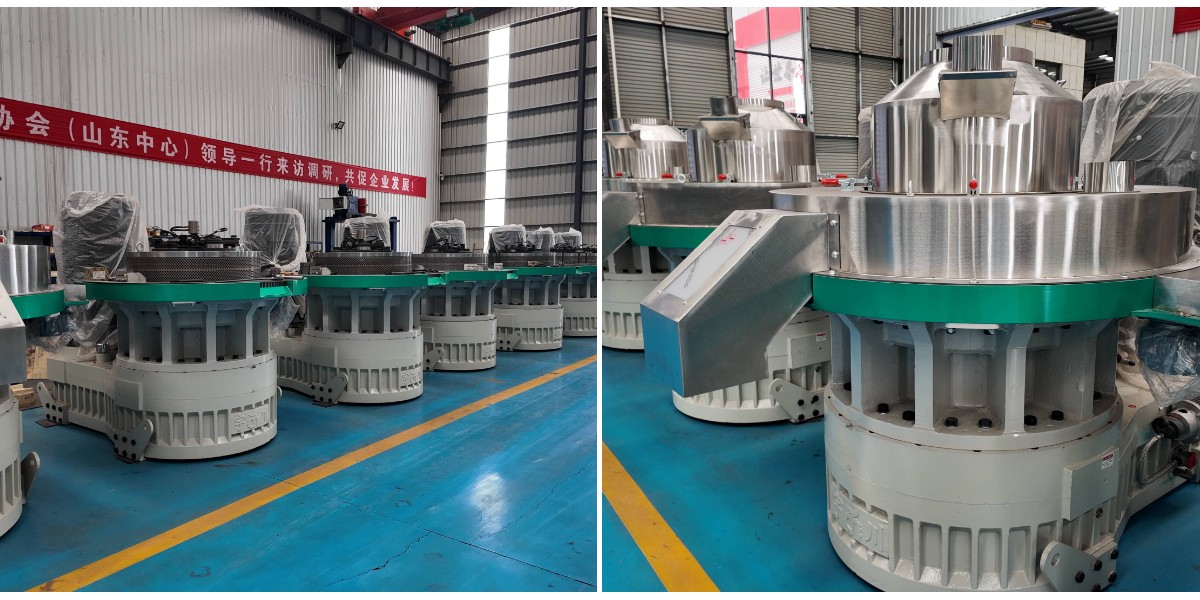
Key Advantages of Industrial Pelletizing Machine
High Production Capacity & Stable OperationReinforced drive structure supports long-time continuous running. Large output meets the demand of medium and large biomass pellet plants, with stable pellet forming and low failure rate.
Wide Raw Material CompatibilityOptimized ring die compression ratio design. It can process sawdust, wood shavings, straw, rice husk, palm EFB, corn cob and other agro-forestry waste. Easy to change ring dies to produce pellets of different diameters.
Cost-effective & Easy MaintenanceHeavy-duty roller assembly and wear-resistant ring die extend service life. Reasonable structural layout makes replacement of wearing parts quick and simple, cutting your daily operation and maintenance cost.
Recommended Moisture | |||
|---|---|---|---|
Sawdust | Good pellet forming, high hardness, most popular material | 6mm / 8mm / 10mm / 12mm | 12%–18% |
Wood Shavings | Long wood fiber, pre-grinding required | 8mm / 10mm / 12mm | 12%–18% |
Straw | Low cost, large supply, relatively high ash content | 8mm / 10mm | 12%–16% |
Rice Husk | Hard texture, medium calorific value for fuel pellets | 8mm / 10mm | 10%–15% |
Peanut Shell | Easy to pelletize, good heating value | 6mm / 8mm / 10mm | 12%–16% |
Palm EFB | Rich fiber, widely used in Southeast Asia | 8mm / 10mm / 12mm | 12%–18% |
Corn Cob | Stable forming, clean burning | 6mm / 8mm / 10mm | 12%–18% |
Bagasse | High sugar content, strict drying requirement | 8mm / 10mm | 10%–15% |
Bamboo Sawdust | High density, high wear on die and roller, special compression ratio needed | 6mm / 8mm | 12%–16% |
Alfalfa | Mainly for animal feed pellets | 6mm / 8mm | 12%–16% |
Wood Waste / Branch | Must be chipped and hammer milled before pelletizing | 8mm / 10mm / 12mm | 12%–18% |
Biomass Pellet Processing Technology
Raw Material Cleaning:Remove stones, iron and other impurities by magnetic separator and sieve, avoid damage to die and roller.
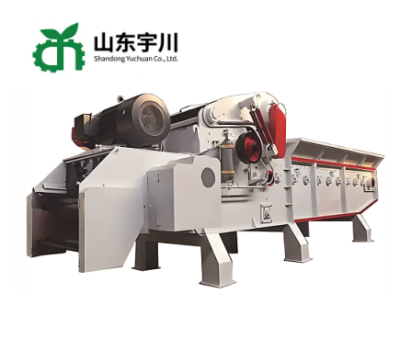
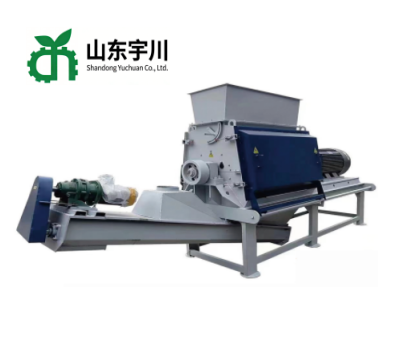
Chipping & Fine Grinding:Large branches and logs are processed by wood chipper first, then hammer mill grinds materials into uniform fine powder, particle size controlled below 3–5mm.
Drying:Adopt three-pass rotary dryer to adjust moisture content to 12%–18%. Stable moisture is the key for good pellet forming.
Pelletizing (Core Process):The prepared material enters vertical ring die pellet mill. Under high pressure and friction heat (80–100℃), lignin in biomass softens and acts as natural binder. Materials are extruded through die holes and cut into pellets, no chemical binder needed.
Cooling & Screening:Hot pellets go into counter-flow cooler to reduce temperature and harden. Vibrating screen removes fine powder; fines can be recycled back to pellet mill.
Packing & Storage:Qualified pellets are packed automatically, preventing moisture absorption for long storage and transportation.
FAQ:
Q1: Do we need to add adhesive / binder for pelletizing? A: No. The lignin inside biomass will soften under friction heat and work as natural binder. No chemical binder is required.
Q2: What is the best moisture content of raw materials? A: The optimal moisture is 12%–18%. Too high moisture leads to loose pellets; too low moisture causes fast wear of die and roller.
Q3: What raw materials can this pellet mill process? A: It can process sawdust, wood shavings, straw, rice husk, peanut shell, palm EFB, corn cob, bagasse and other agro-forestry waste.
Q4: Can we produce different pellet sizes on one machine? A: Yes. Just replace the ring die. Common sizes: 6 mm, 8 mm, 10 mm, 12 mm.
Q5: What is the difference between ring die and flat die pellet mill? A: Vertical ring die pellet mill is designed for long-time continuous industrial production, higher output and stable performance. Flat die type is mostly for small-scale or home use.
Q6: What pre-treatment is needed for raw materials? A: Large branches need chipping and grinding to 3–5 mm fine powder. If moisture is too high, a dryer is necessary.
Q7: Why are the pellets soft and easy to break? A: Main reasons: improper moisture content, wrong compression ratio, unsuitable die-roller gap, or worn ring die.
Q8: What is the warranty term? A: 12 months warranty for main machine (excluding wearing parts: ring die, roller shell). Spare parts supply is available all the time.
Q9: What certifications can you provide? A: CE, ISO, EAC certificates are available for different markets.
Q10: What information do you need to offer a complete production line proposal? A: Raw material type, target output per hour, raw material moisture, local voltage & frequency, workshop size.
| Model | Main motor power (kW) | Production volume (t/h) |
|---|---|---|
| YC-560 | 132 kW | 1.5–2 T |
| YC-700 | 160 kW | 2–2.5 T |
| YC-850 | 250 kW | 3.5 T |
| YC-850 | 280 kW | 4 T |