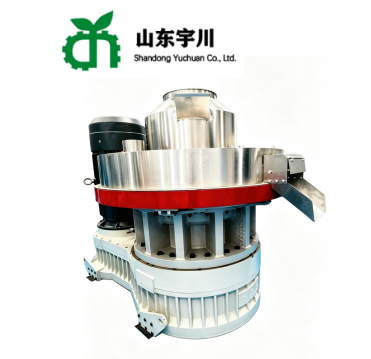
Biomass Pellet Mill
1. High Production Efficiency
The Biomass Pellet Mill is designed for continuous operation, helping improve production efficiency and meet different industrial pellet production requirements.
2. Wide Raw Material Compatibility
Suitable for processing various biomass materials, including sawdust, wood chips, rice husks, straw, and other agricultural residues.
3. Durable Ring Die Design
Equipped with a robust ring die structure and high-quality components to support stable operation and extend service life.
4. Uniform Pellet Formation
The optimized pressing structure helps produce compact, uniform pellets with consistent shapes and sizes.
5. Easy Operation and Maintenance
A practical machine structure allows convenient operation, routine maintenance, and replacement of key wearing parts.
6. Customized Production Solutions
Different machine configurations can be selected according to raw material characteristics, required capacity, and customer production needs.
1. Product Overview
Reliable Biomass Pellet Mill for Various Biomass Materials
The Biomass Pellet Mill is an essential machine for converting loose biomass materials into compact, uniform pellets. It is widely used in wood processing plants, biomass fuel factories, agricultural waste recycling projects and industrial pellet production facilities.
With increasing demand for renewable energy and efficient biomass utilization, more manufacturers are investing in biomass pellet production equipment to turn low-density agricultural and forestry residues into valuable fuel products.
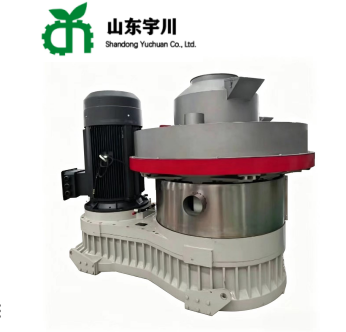
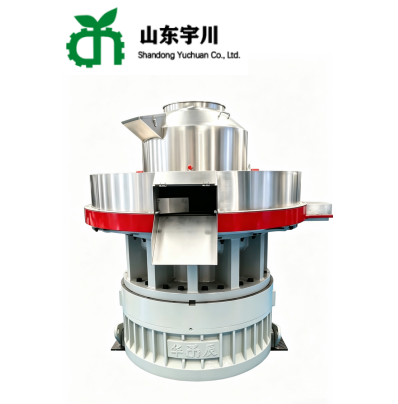
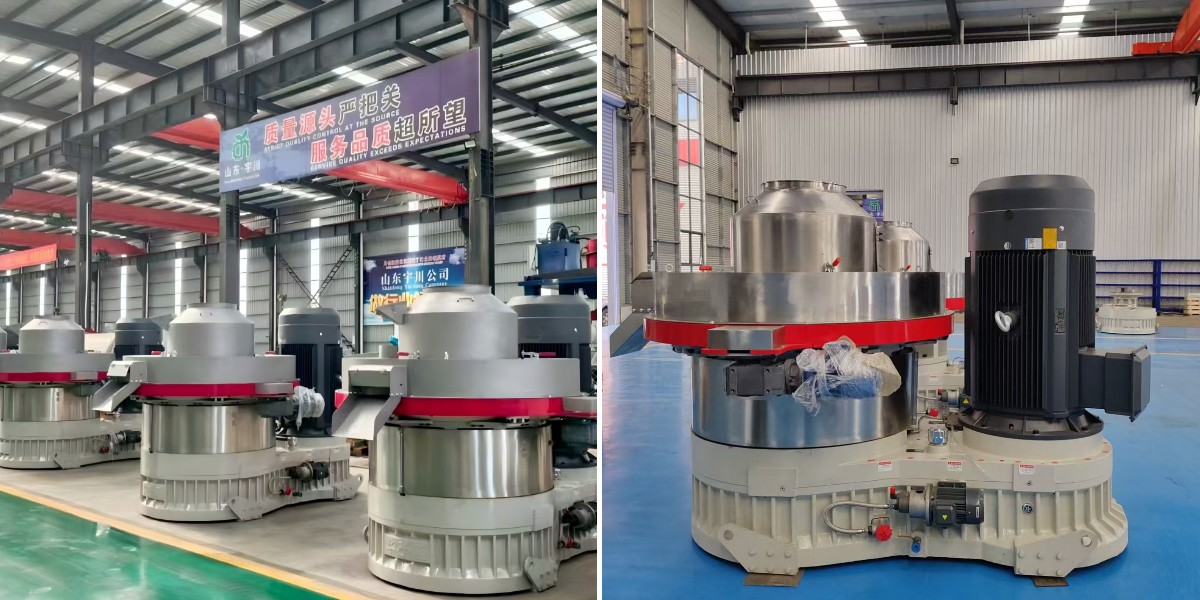
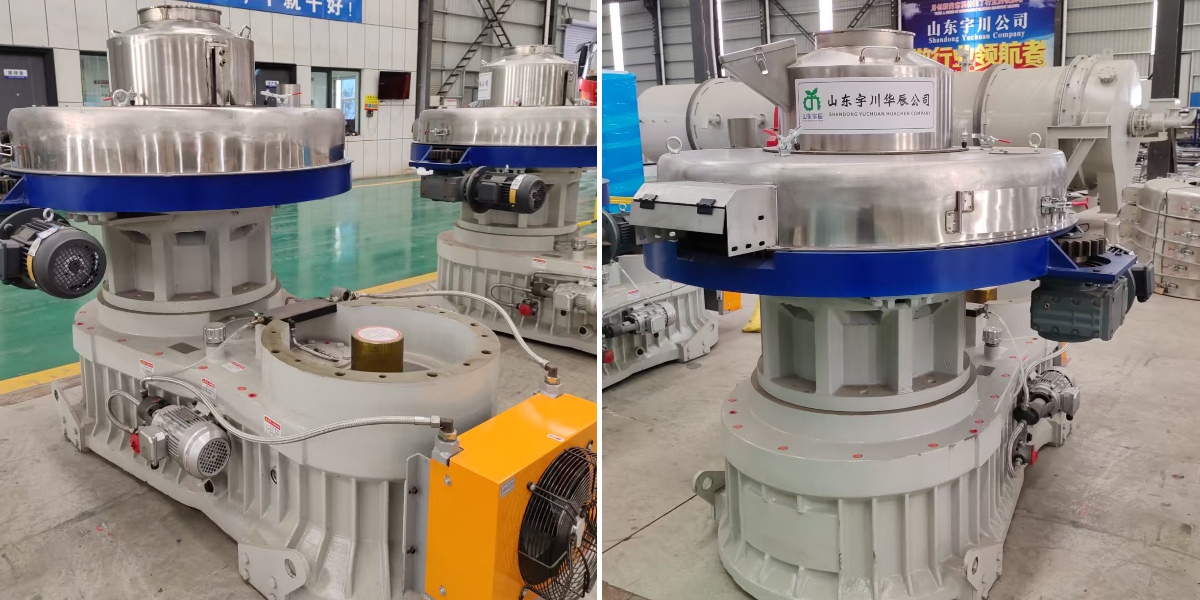
Shandong Yuchuan Environmental Protection Equipment Co., Ltd. provides biomass pellet processing equipment for different production requirements. Our Biomass Pellet Mill adopts a vertical ring die structure, designed to support continuous pellet production and handle properly prepared biomass materials.
Whether you are processing sawdust, wood chips, rice husks or other suitable biomass residues, selecting the right pellet mill is important for maintaining product quality, production efficiency and operating stability.
2. Working Principle
How Does a Biomass Pellet Mill Work?
The working process of a Biomass Pellet Mill mainly involves feeding, compression, extrusion and pellet cutting.
First, prepared biomass materials are evenly delivered into the pelletizing chamber through the feeding system. Inside the machine, rotating rollers press the material against the ring die under high pressure.
As the material passes through the die holes, it is compressed and formed into cylindrical pellets. The extruded pellets are then cut to the required length by adjustable cutting knives.
The final pellet quality depends on several factors, including raw material composition, moisture content, particle size, die specifications, compression ratio and operating conditions.
For this reason, proper raw material preparation and suitable machine configuration are essential for achieving stable pellet production.
3. Key Advantages of Yuchuan Biomass Pellet Mill
1. Vertical Ring Die Structure
The Biomass Pellet Mill adopts a vertical ring die design, providing a practical structure for biomass material feeding and pellet compression. It is suitable for industrial pellet production applications.
2. Wide Raw Material Compatibility
The machine can process various properly prepared biomass materials, including sawdust, wood chips, rice husks, straw and other agricultural residues. Machine configuration can be adjusted according to material characteristics.
3. Continuous Production Capability
Designed for industrial applications, the Biomass Pellet Mill supports continuous operation when properly installed and maintained, helping manufacturers organize stable production schedules.
4. Uniform Pellet Formation
The compression and extrusion process helps produce compact biomass pellets with consistent shapes. Die specifications and operating parameters can be selected according to the required pellet size.
5. Durable Components
The machine is designed with a robust structure and replaceable wearing parts. Regular inspection and timely maintenance help maintain equipment performance and extend its service life.
6. Customized Equipment Solutions
Yuchuan can recommend suitable Biomass Pellet Mill configurations according to raw material characteristics, required capacity, pellet specifications and local operating conditions.
4. Suitable Raw Materials
Processing Different Types of Biomass Resources
A Biomass Pellet Mill can be used with different biomass resources, provided that the materials meet the requirements for particle size, moisture content and pelletizing characteristics.
Common applications include:
Wood-Based Materials
Sawdust
Wood chips
Wood shavings
Forestry residues
Furniture manufacturing waste
Agricultural Residues
Rice husks
Rice straw
Wheat straw
Corn stalks
Peanut shells
Other Biomass Materials
Bamboo residues
Palm fiber
Empty fruit bunches (EFB)
Other suitable agricultural and forestry by-products
Different raw materials may require different crushing, drying, mixing and conditioning processes before pelletizing. A material test is recommended before finalizing the machine configuration.
5. Applications of Biomass Pellet Mill
Biomass Fuel Manufacturing Plants
Biomass pellet manufacturers use pellet mills to convert sawdust, wood residues and agricultural by-products into solid biomass fuel. The finished pellets can be supplied to industrial boilers, heating systems and other compatible biomass combustion equipment.
Wood Processing and Furniture Factories
Sawmills and furniture manufacturers generate large quantities of sawdust, wood shavings and wood chips. A Wood Pellet Mill can help convert suitable production residues into usable pellet products, creating additional value from by-products.
Agricultural Waste Recycling Projects
Agricultural enterprises can use biomass pellet equipment to process suitable crop residues, helping reduce loose material storage and improve biomass resource utilization.
Industrial Factories for Self-Use Fuel
Factories with compatible biomass boilers or heating systems may produce biomass pellets for their own energy requirements. This approach can help utilize locally available biomass resources and diversify fuel supply options.
6. Biomass Pellet Production Line Configuration
From Raw Material Preparation to Finished Pellets
A complete Biomass Pellet Production Line may include several processing sections. The actual configuration depends on raw material conditions, production capacity and finished pellet requirements.
1. Raw Material Crushing
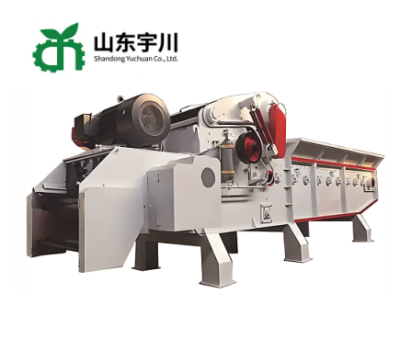
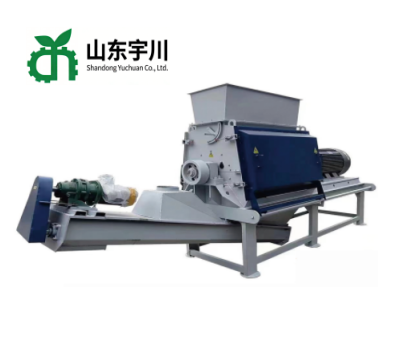
A wood crusher or hammer mill reduces raw materials into suitable particle sizes for subsequent processing.
2. Drying System
A Rotary Drum Dryer can be used to reduce excessive moisture content when the incoming material is too wet for pelletizing.
3. Feeding and Conditioning
The prepared materials are conveyed and fed evenly into the pellet mill. Additional conditioning may be required depending on the material.
4. Pelletizing
The Biomass Pellet Mill compresses the prepared material into cylindrical pellets through the ring die and roller system.
5. Cooling and Screening
Fresh pellets are cooled to improve handling stability. Screening equipment removes excessive fines and separates qualified pellets.
6. Packaging
Finished pellets can be weighed and packed according to storage, transportation and customer requirements.
7. How to Choose the Right Biomass Pellet Mill?
Choosing a suitable Biomass Pellet Mill requires more than comparing motor power or machine prices. Buyers should evaluate the complete production conditions before purchasing.
Raw Material Type
Different materials have different fiber structures, densities and pelletizing characteristics. Identify the main raw material before selecting the machine.
Moisture Content
Moisture content directly affects pellet formation and machine operation. Wet materials may require drying, while excessively dry materials may need suitable conditioning.
Required Production Capacity
Determine the expected hourly output and daily operating schedule. The machine should be selected according to actual production requirements rather than motor power alone.
Pellet Diameter and Application
Common pellet sizes vary according to the target market and combustion equipment. Confirm the required diameter and intended application before choosing the die.
Power Supply and Installation Conditions
Check local voltage, frequency, electrical standards, workshop space and installation requirements to ensure equipment compatibility.
8. Frequently Asked Questions
Q1: What raw materials can a Biomass Pellet Mill process?
A Biomass Pellet Mill can process suitable materials such as sawdust, wood chips, rice husks, straw, bamboo residues and other biomass by-products. The material should be properly prepared before pelletizing.
Q2: What moisture content is suitable for biomass pellet production?
The suitable moisture content depends on the raw material and machine configuration. Many wood pellet applications commonly use prepared materials with moisture content around 10%–15%, but the optimal range should be confirmed through material testing.
Q3: What is the difference between a Biomass Pellet Mill and a Wood Pellet Mill?
A Wood Pellet Mill mainly refers to equipment designed for wood-based materials such as sawdust and wood chips. A Biomass Pellet Mill is a broader term that may cover different suitable biomass materials, including agricultural residues.
Q4: Can I purchase a single pellet mill instead of a complete production line?
Yes. If your raw materials have already been crushed and dried to suitable conditions, you may only need a pellet mill and necessary auxiliary equipment. If the materials require further processing, a complete production line may be more suitable.
Q5: How can I get an accurate quotation for a Biomass Pellet Mill?
To prepare an accurate quotation, please provide your raw material type, moisture content, required hourly capacity, pellet diameter, local voltage and destination country. Photos or videos of your raw materials are also helpful.
9. Why Choose Shandong Yuchuan?
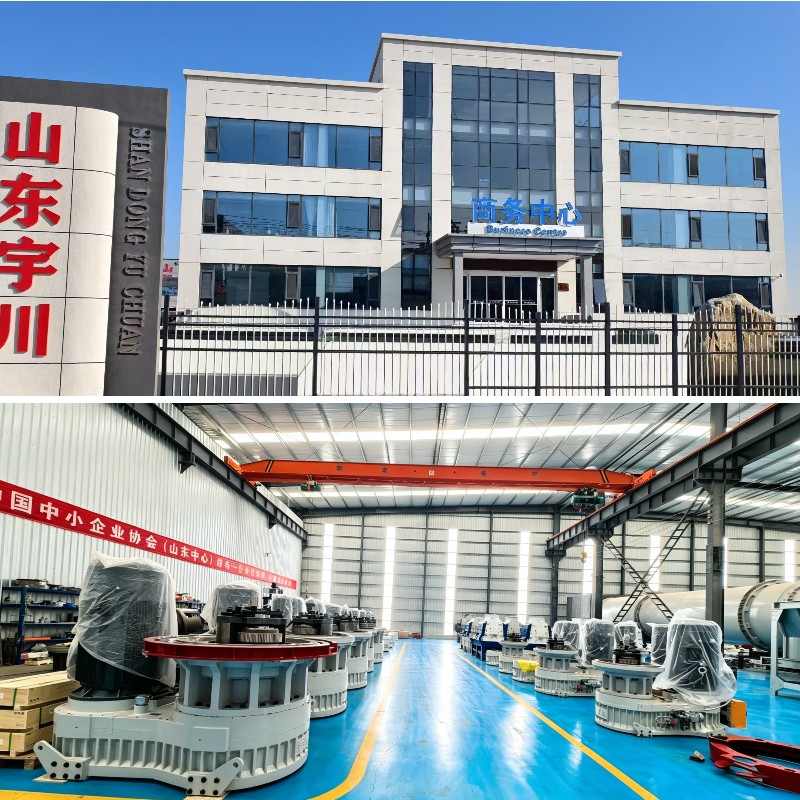
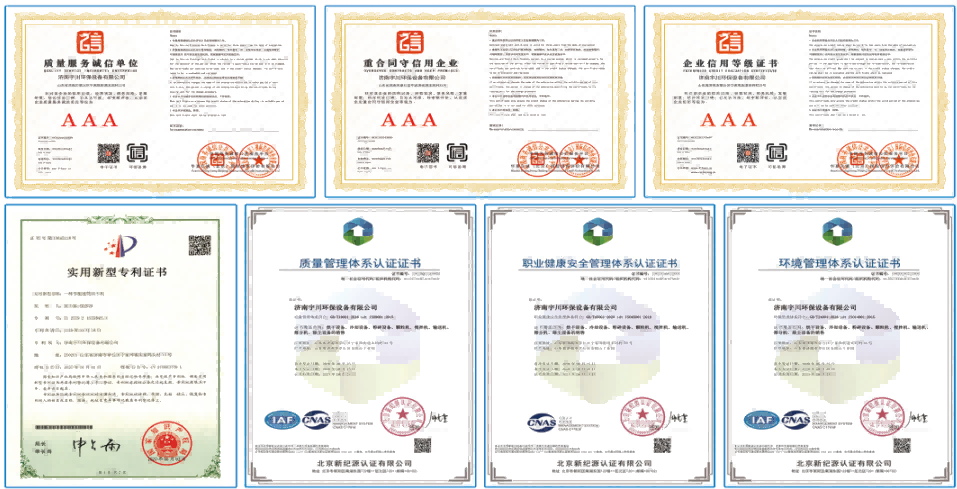
Shandong Yuchuan Environmental Protection Equipment Co., Ltd. focuses on biomass processing equipment, including biomass pellet mills, rotary drum dryers, wood crushers and complete biomass pellet production lines.
We understand that every biomass project has different raw material conditions, production targets and installation requirements. Our team can help customers evaluate equipment configurations and select suitable processing solutions according to their project needs.
From individual machines to integrated production equipment, Yuchuan aims to provide practical machinery solutions for biomass processing projects worldwide.
10. Get a Customized Biomass Pellet Mill Solution
Are you planning to start a biomass pellet production project or upgrade your existing production facility?
Contact Shandong Yuchuan today. Tell us about your raw materials and production requirements, and our team will help you select a suitable Biomass Pellet Mill or complete biomass pellet production line.
To receive a quotation, please provide:
Raw material type
Raw material moisture content
Required production capacity (kg/h or ton/h)
Required pellet diameter
Destination country
Single machine or complete production line
Start your biomass pellet production project with a suitable equipment solution from Yuchuan.