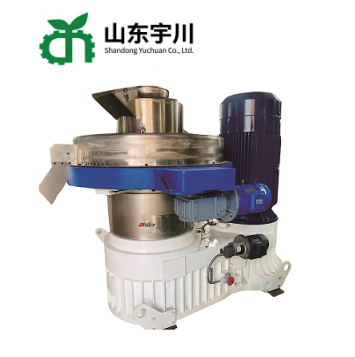
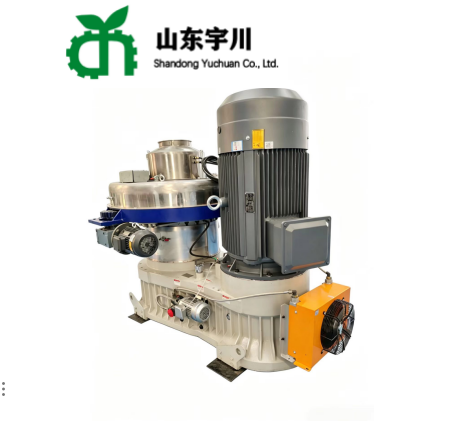
Biomass Pellet Press
Key Advantages of Biomass Pellet Press
1. Transforming Loose Biomass into Valuable Products
Converts low-density biomass residues into compact, easy-to-handle pellets, creating new utilization opportunities for agricultural and forestry by-products.
2. Consistent Pellet Dimensions
The pressing system helps produce pellets with consistent diameters and shapes, making subsequent storage, transportation, and handling more convenient.
3. Adjustable Pellet Specifications
Different die configurations allow customers to select suitable pellet diameters according to fuel applications and market requirements.
4. Space-Efficient Production Layout
The compact equipment structure makes it easier to integrate the pellet press into existing workshops or newly planned biomass processing facilities.
5. Reduced Bulk Material Handling
Pelletizing reduces the volume of loose biomass materials, helping simplify material handling and improve logistics organization.
6. Scalable Production Configuration
The Biomass Pellet Press can be incorporated into production systems with feeding, drying, cooling, screening, and packaging equipment to support different project scales.
Biomass Pellet Press – Efficient Solutions for Converting Biomass Waste into High-Value Pellets
1. What Is a Biomass Pellet Press?
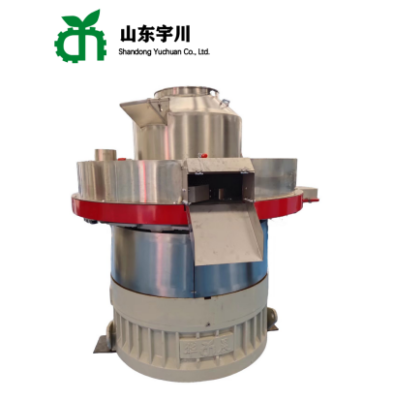
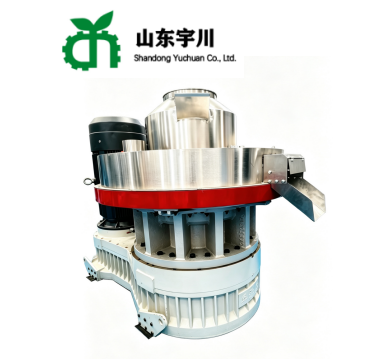
A Biomass Pellet Press is an industrial machine designed to convert loose biomass materials into compact cylindrical pellets through mechanical compression. It provides an effective solution for processing agricultural residues, forestry by-products, and various organic materials into standardized solid products.
Unlike traditional material processing equipment that focuses mainly on crushing or drying, a Biomass Pellet Press performs the critical forming stage of biomass utilization. It transforms prepared raw materials into pellets with defined dimensions, improved handling characteristics, and greater convenience for storage and transportation.
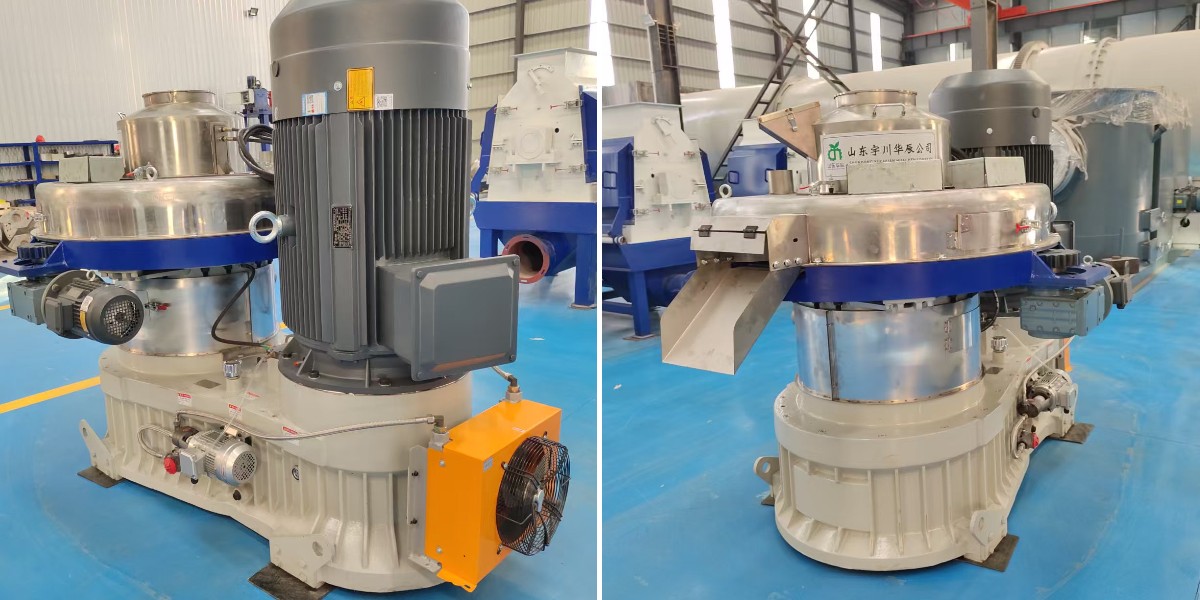
During operation, conditioned biomass enters the pressing chamber through a feeding system. Under the action of rotating rollers and a specially designed die, the material is compressed and continuously extruded into pellet shapes. The finished pellets are then cut to the required length.
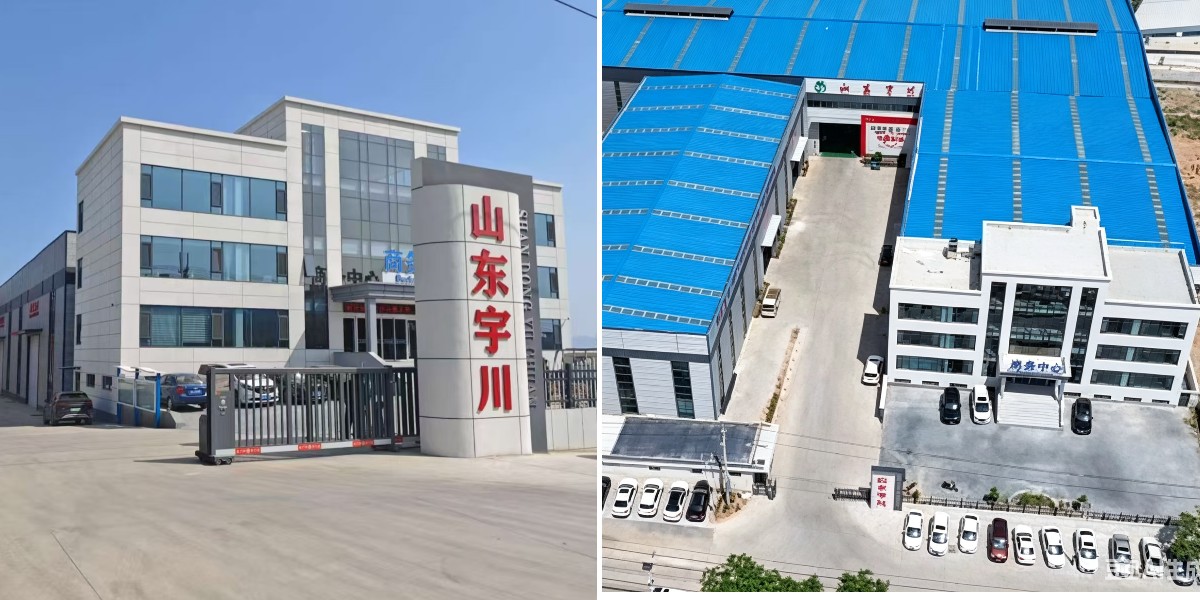
Shandong Yuchuan Environmental Protection Equipment Co., Ltd. specializes in biomass pelletizing machinery, including vertical ring-die pellet presses. We provide equipment solutions for customers processing wood residues, agricultural waste, and other biomass resources.
2. How Does a Biomass Pellet Press Work?
The working principle of a Biomass Pellet Press is based on mechanical extrusion and compression. The quality of the final pellets depends on the coordination between raw material preparation, feeding conditions, pressing pressure, and die specifications.
The main processing stages include:
1. Material Feeding
Prepared biomass materials are evenly delivered into the pressing chamber. A consistent feeding rate helps maintain balanced material distribution during pellet production.
2. Mechanical Compression
Rotating rollers apply pressure to the biomass material, forcing it through the die holes. The compression process gradually forms the loose material into compact pellets.
3. Pellet Extrusion
As the material passes through the die, continuous extrusion produces cylindrical pellets. Die specifications determine the pellet diameter.
4. Pellet Cutting
A cutting mechanism controls the pellet length according to the required product specifications.
5. Finished Pellet Collection
Freshly formed pellets are discharged for subsequent cooling, screening, and packaging.
3. Key Advantages of Our Biomass Pellet Press
1. High Material Conversion Value
The Biomass Pellet Press transforms loose biomass residues into standardized products, creating additional commercial value from materials that might otherwise be discarded.
2. Precision-Oriented Die Design
Different die specifications can be selected according to the required pellet diameter and material characteristics, providing greater flexibility for different finished-product requirements.
3. Optimized Material Compression
The coordinated operation of rollers and the die supports effective material compression, helping produce pellets with suitable density and structural integrity.
4. Adaptable Equipment Integration
The Biomass Pellet Press can be integrated into existing processing facilities or newly designed production lines, reducing difficulties in equipment arrangement and project planning.
5. Simplified Finished Product Management
Uniform pellet dimensions make finished products easier to classify, weigh, store, and transport, improving the organization of downstream operations.
6. Project-Based Configuration Options
Equipment specifications can be selected according to raw material properties, target output, pellet size, and available workshop conditions.
4. Suitable Raw Materials for Biomass Pellet Press
Different biomass materials have different physical characteristics, including moisture content, fiber structure, bulk density, and particle size. A suitable Biomass Pellet Press configuration should therefore be selected according to the actual feedstock.
Raw Materials | Processing Considerations | |
|---|---|---|
Pine Sawdust | Moisture and particle size | |
Hardwood Sawdust | Fiber structure and compression | |
Rice Husk | Ash content and material characteristics | |
Wheat Straw | Fiber length and pretreatment | |
Corn Stalk | Crushing and moisture adjustment | |
Palm Fiber | Fiber structure and feeding | |
Empty Fruit Bunch | Fiber reduction and drying | |
Wood Chips | Particle size reduction |
5. Biomass Pellet Press Applications Across Different Industries
A Biomass Pellet Press is suitable for a wide range of industries that generate or utilize organic residues. Its application is not limited to traditional wood pellet production.
1. Forestry and Wood Processing Industry
Sawmills, furniture factories, and wood processing plants can convert sawdust, shavings, and wood residues into fuel pellets.
2. Agricultural Waste Recycling
Agricultural enterprises can process straw, corn stalks, and other crop residues into biomass pellets, providing an alternative utilization method for seasonal agricultural waste.
3. Palm Oil Processing Industry
Palm oil mills generate substantial amounts of empty fruit bunches, palm fibers, and other residues. With suitable pretreatment, these materials can be considered for biomass pellet production.
4. Biomass Fuel Manufacturing
Commercial biomass fuel producers can use pellet presses to manufacture standardized solid fuels for industrial boilers and biomass heating systems.
5. Biomass Resource Utilization Projects
Companies involved in renewable energy and waste resource recovery can integrate pelletizing equipment into broader biomass processing projects.
6. Biomass Pellet Press and Complete Pellet Production Line
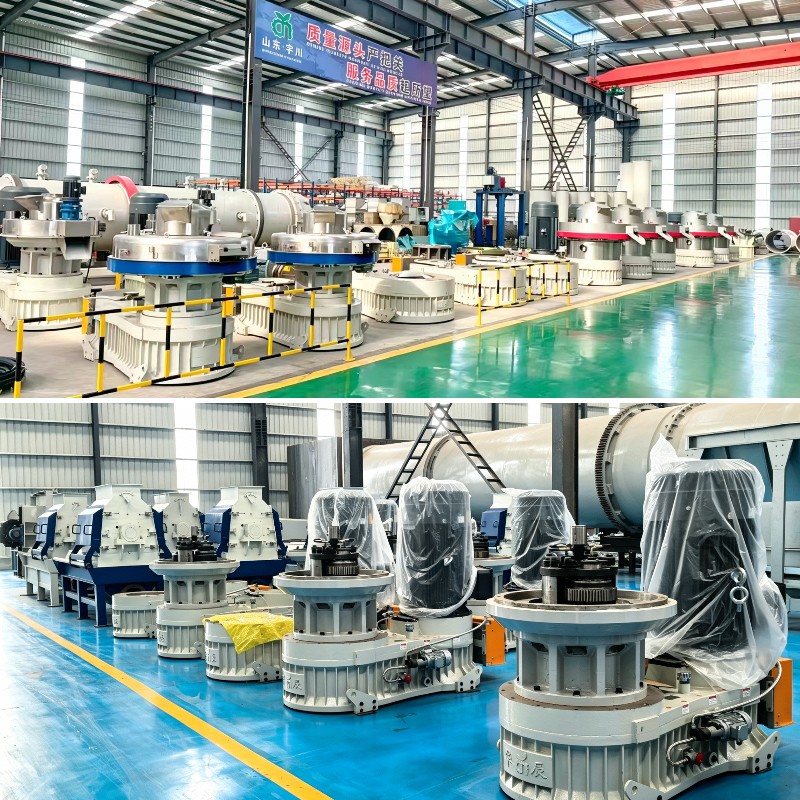
For customers planning commercial-scale production, a standalone Biomass Pellet Press may not be sufficient. A complete production system can be designed according to the raw material condition and final product requirements.
A typical biomass pellet production line includes the following equipment:
Processing Section | Main Equipment | Function |
|---|---|---|
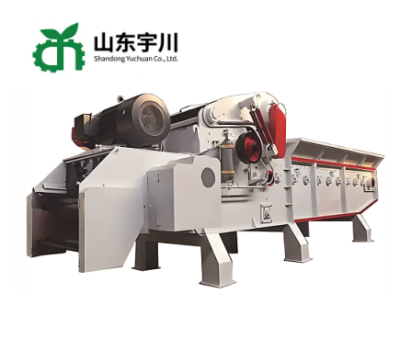
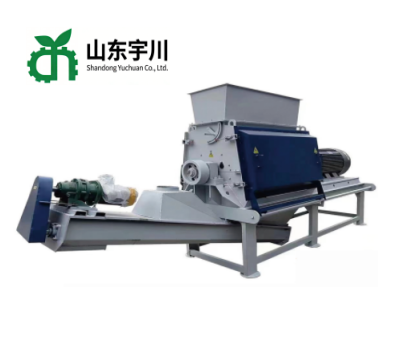
Crushing | Wood Crusher / Hammer Mill | Reduce material size |
Drying | Rotary Drum Dryer | Adjust moisture content |
Feeding | Screw Conveyor | Transfer materials |
Pelletizing | Biomass Pellet Press | Form biomass pellets |
Cooling | Pellet Cooler | Reduce pellet temperature |
Screening | Vibrating Screen | Remove fines |
Packaging | Automatic Packing Machine | Weigh and pack products |
7. Important Factors When Selecting a Biomass Pellet Press
Selecting the right Biomass Pellet Press requires more than comparing equipment prices or motor power. Buyers should evaluate the complete processing requirements before making an investment.
Raw Material Characteristics
Different materials have different compression properties. Buyers should provide information about the raw material type, moisture content, particle size, and fiber characteristics.
Required Production Capacity
The target output should be determined according to the project's actual production plan. It is important to distinguish between machine capacity and the overall output of a complete production line.
Finished Pellet Specifications
Pellet diameter, length, density, and intended application should be confirmed before selecting the die configuration.
Workshop Conditions
Available installation space, electrical supply, material storage, and transportation arrangements should be considered during project planning.
Long-Term Operating Costs
Besides the initial purchase price, buyers should evaluate electricity consumption, wearing parts, maintenance requirements, and spare-parts availability.
8. Frequently Asked Questions About Biomass Pellet Press
Q1: What Is the Difference Between a Biomass Pellet Press and a Biomass Pellet Mill?
The two terms are often used interchangeably in the biomass industry. Both refer to equipment designed to compress prepared biomass materials into pellets. The specific machine structure and configuration should be evaluated based on the manufacturer's design.
Q2: Can One Biomass Pellet Press Process Different Raw Materials?
Yes, a properly configured Biomass Pellet Press may process different biomass materials. However, each material has different moisture, fiber, and compression characteristics. Adjustments to pretreatment conditions and equipment configuration may be necessary.
Q3: Does Biomass Material Need to Be Dried Before Pelletizing?
Not all materials require drying. If the moisture content is outside the suitable range for pelletizing, a drying system may be required. The recommended moisture level depends on the raw material and machine configuration.
Q4: What Determines the Output of a Biomass Pellet Press?
Production capacity is affected by raw material properties, moisture content, particle size, die specifications, motor configuration, and operating conditions. Actual output should be confirmed according to the specific material and production requirements.
Q5: Can You Provide a Complete Biomass Pellet Production Line?
Yes. Shandong Yuchuan can provide equipment combinations covering crushing, drying, conveying, pelletizing, cooling, screening, and packaging according to the customer's project requirements.
9. Why Choose Shandong Yuchuan for Your Biomass Pellet Press Project?
Choosing an equipment manufacturer is an important step in establishing a reliable biomass processing project. Shandong Yuchuan Environmental Protection Equipment Co., Ltd. focuses on biomass processing machinery and complete production solutions.
Our main product range includes vertical ring-die pellet presses, rotary drum dryers, crushing equipment, and complete biomass pellet production lines.
We focus on matching equipment configurations with the actual processing conditions of each project rather than offering the same standard solution to every customer.
From individual machine selection to complete production line planning, our team can assist buyers in evaluating raw materials, required output, processing procedures, and equipment combinations.
Whether you are upgrading an existing facility or establishing a new biomass pellet production plant, we welcome your inquiry.
10. Get a Customized Biomass Pellet Press Solution
Are you looking for a reliable Biomass Pellet Press for your biomass processing project?
Tell us more about your raw materials and production requirements. Our team can help evaluate a suitable machine configuration and recommend a practical processing solution.
To receive a more accurate quotation, please provide:
Raw material type
Raw material moisture content
Required production capacity (kg/h or tons/h)
Desired pellet diameter
Whether crushing and drying equipment are required
Whether you need a single machine or a complete production line
Contact Shandong Yuchuan today to discuss your biomass pelletizing project and request a customized quotation.