Sugarcane Bagasse Pellet Production Line
5 Advantages of Sugarcane Bagasse Pellet Production Line
1. Turn Waste into Valuable Fuel
2.Complete Processing Solution
3.Customized Production Capacity
4.Easier Storage and Transportation
5.Multiple Biomass Fuel Applications
Sugarcane Bagasse Pellet Production Line
Turn Sugarcane Bagasse into Valuable Biomass Fuel
Shandong Yuchuan provides complete Sugarcane Bagasse Pellet Production Line solutions for processing sugarcane residues into biomass pellets. The line can include crushing, drying, pelletizing, cooling, screening, and packaging equipment.
Sugarcane bagasse is a fibrous by-product of sugar production. Instead of handling it only as loose agricultural waste, sugar mills and biomass fuel manufacturers can process suitable bagasse into compact pellets for easier storage, transportation, and use.
We configure each Sugarcane Bagasse Pellet Production Line according to raw material moisture, fiber characteristics, production capacity, and final pellet requirements.
1. Product Overview
A Practical Way to Process Sugarcane Bagasse
Sugarcane bagasse usually contains moisture and long fibers, which can make direct pelletizing difficult. Proper pretreatment is therefore important.
A typical Sugarcane Bagasse Pellet Production Line starts with crushing and size reduction, followed by drying when necessary. The prepared material then enters the pellet mill for compression and forming. Cooling, screening, and packaging can be added according to the customer's requirements.
The complete system can be designed for small processing facilities as well as larger industrial biomass pellet plants.
Main Equipment:
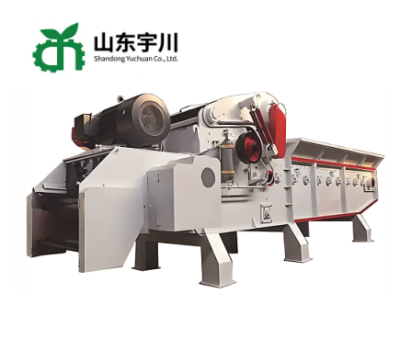
Sugarcane bagasse crusher
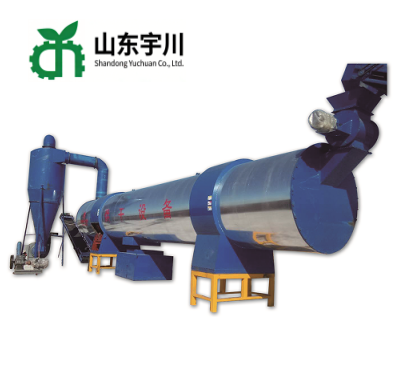
Biomass dryer
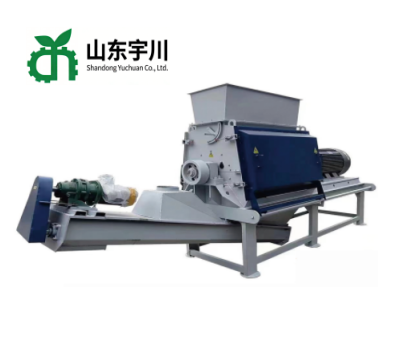
Hammer mill or fiber size-reduction equipment
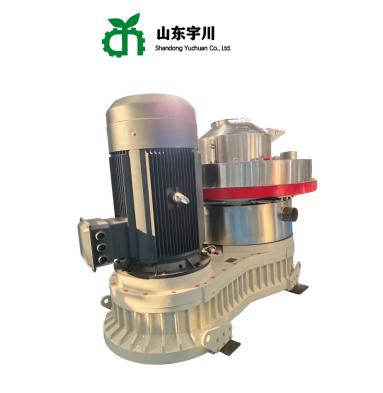
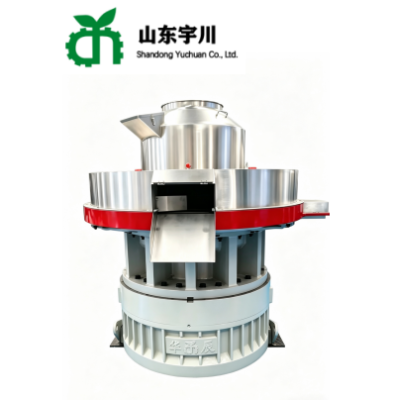
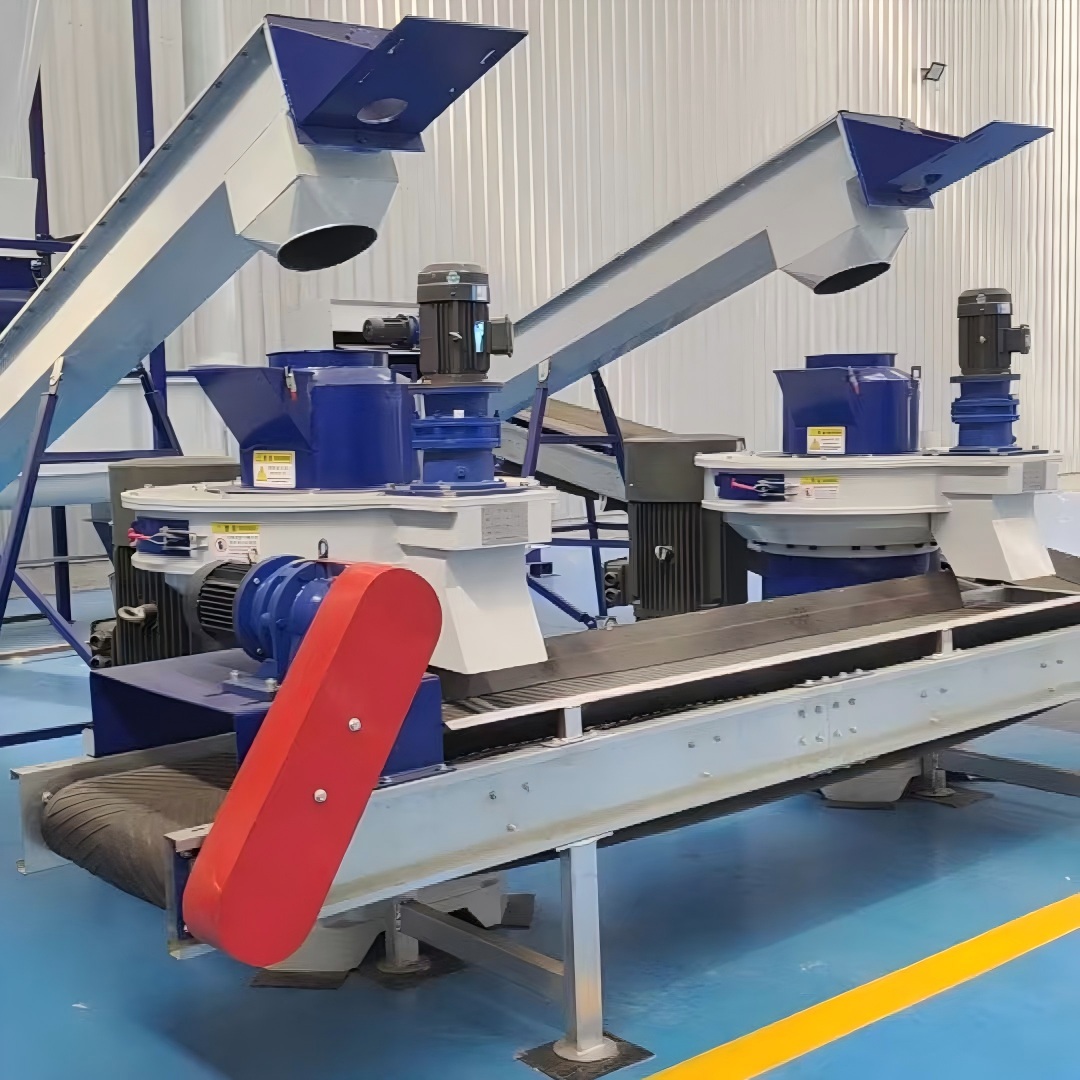
Biomass pellet machine
Pellet cooler
Vibrating screen
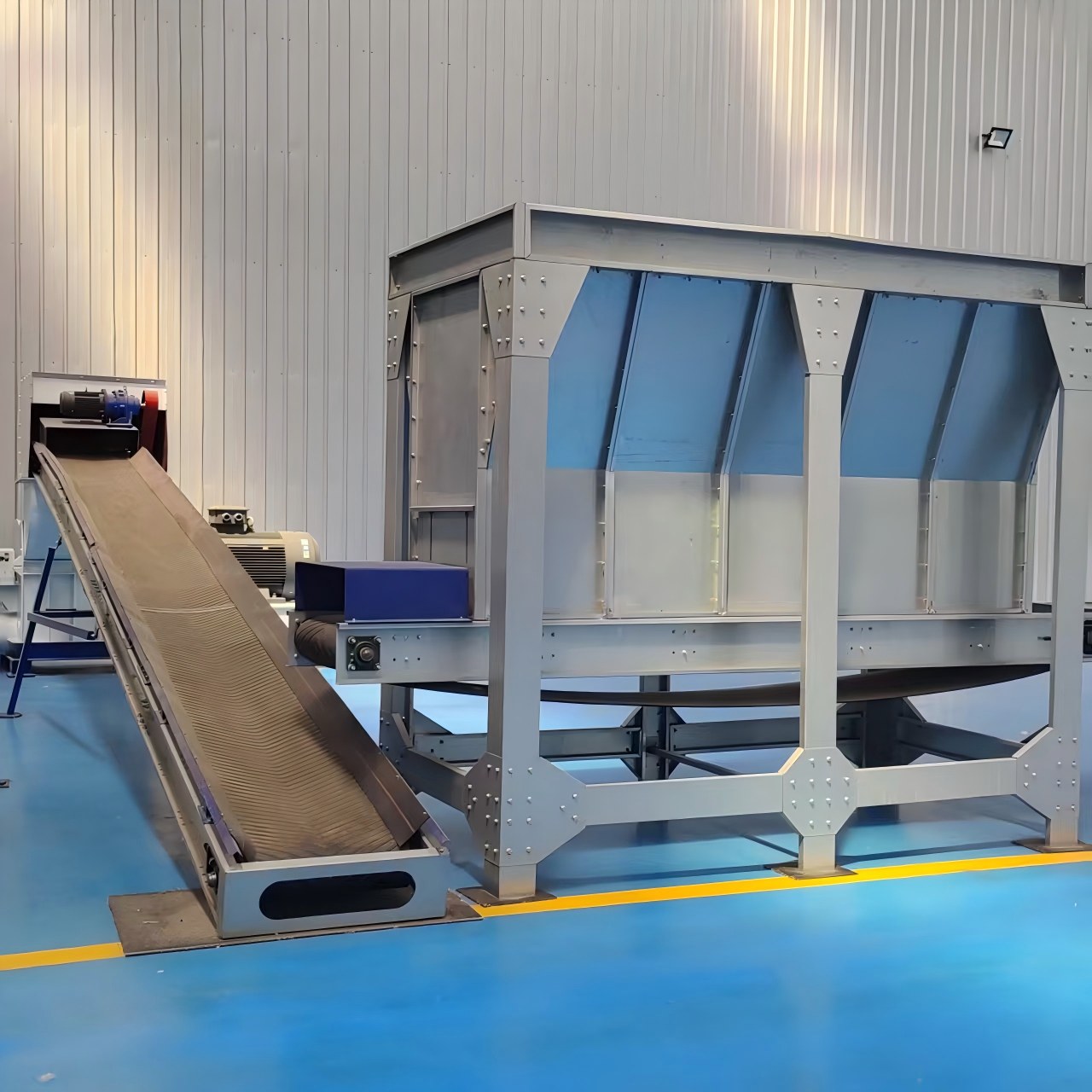
Belt conveyors and feeding system
Automatic weighing and packaging machine
The actual configuration depends on the condition of the raw material and the required output.
2. How Does the Sugarcane Bagasse Pellet Production Line Work?
Step 1: Raw Material Preparation
Sugarcane bagasse is collected and prepared for processing. Foreign materials and unsuitable oversized pieces should be removed where necessary.
Step 2: Crushing and Size Reduction
The crusher reduces the material size and helps prepare the fibers for further processing.
Step 3: Drying
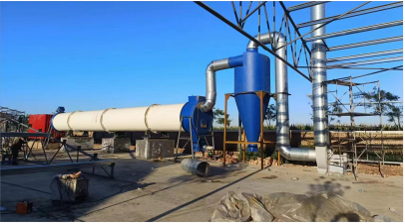
If the raw material contains excessive moisture, a rotary dryer can be used to reduce moisture to a suitable level for pelletizing.
The required drying capacity depends on the initial moisture, target moisture, and processing volume.
Step 4: Pelletizing
The prepared bagasse enters the biomass pellet machine, where it is compressed through a die to form pellets.
The pellet mill configuration should match the fiber characteristics and required pellet specifications.
Step 5: Cooling and Screening
Fresh pellets are cooled and screened to improve handling and remove excess fines. Depending on the process, suitable fines may be returned for further processing.
Step 6: Packaging
Finished pellets can be conveyed to automatic weighing and packaging equipment for storage and transportation.
3. Applications of Sugarcane Bagasse Pellets
Sugarcane bagasse pellets can be used in different biomass energy applications, depending on their quality and local fuel requirements.
Industrial Heating
Suitable bagasse pellets can be used as fuel in compatible industrial boilers and hot-air furnaces.
Sugar Mills
Sugar factories can explore further utilization of bagasse generated during sugar production.
Biomass Fuel Manufacturers
Pellet producers can process suitable agricultural residues into a standardized solid fuel product.
Commercial Biomass Energy Projects
Bagasse pellets may serve as an alternative biomass fuel for customers with suitable combustion equipment and reliable fuel supply.
4. Customized Sugarcane Bagasse Pellet Production Line
No two bagasse processing projects are exactly the same. Moisture content, fiber length, raw material supply, and production targets all affect equipment selection.
Shandong Yuchuan can discuss the following requirements before preparing a production line proposal:
Raw material: Sugarcane bagasse or mixed agricultural residues.
Initial moisture: Actual moisture content or estimated range.
Required capacity: Target output in tons per hour.
Pellet diameter: Common sizes depend on the intended application.
Factory conditions: Available space, power supply, and heat source.
Final application: Industrial fuel, biomass boilers, or other uses.
Based on these details, we can recommend a suitable Sugarcane Bagasse Pellet Production Line configuration.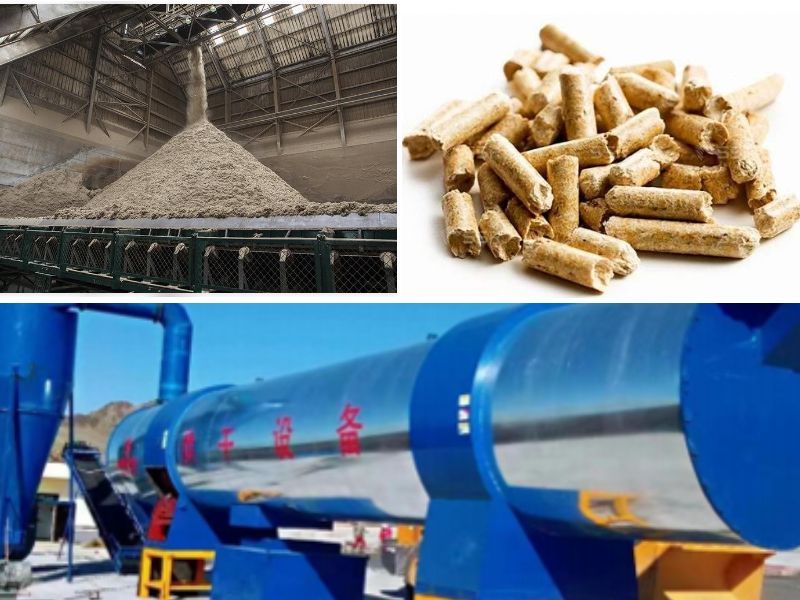
5. Frequently Asked Questions
Q1. Can wet sugarcane bagasse be used for pellet production?
Yes, but wet bagasse generally requires drying before pelletizing. The required drying process depends on the initial moisture content and the target moisture for the selected pelletizing equipment.
Q2. What capacity can the production line achieve?
Capacity depends on raw material conditions, moisture content, equipment configuration, and final pellet specifications. Please share your target output for equipment selection.
Q3. What is the suitable moisture content for pelletizing?
There is no single moisture value suitable for every bagasse material and pellet mill. The target should be confirmed through material testing and equipment requirements.
Q4. Can the production line process other agricultural residues?
Yes. Depending on material characteristics, the line may be adapted for other suitable biomass materials. Each new raw material should be evaluated before confirming the equipment configuration.
Q5. How can I get a quotation?
Please provide your raw material type, moisture content, required capacity, and project location. Photos or videos of your bagasse are also helpful for evaluating the processing requirements.
6. Why Choose Shandong Yuchuan?
Shandong Yuchuan specializes in biomass pellet machines, industrial drying equipment, crushing machinery, and complete biomass processing solutions.
We understand that buying a production line involves more than choosing a pellet machine. Crushing, drying, pelletizing, conveying, and packaging all need to work together.
Our team can discuss your raw material and production requirements to help identify a suitable equipment configuration.
Looking for a Sugarcane Bagasse Pellet Production Line?
Contact Shandong Yuchuan today. Tell us about your raw materials and production targets, and let us help you plan a suitable biomass pellet production solution.