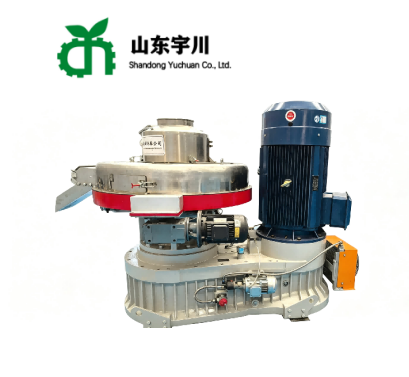
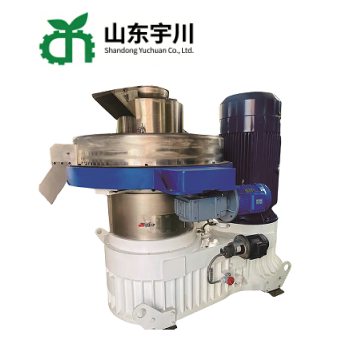
Biomass Fuel Pellet Making Machine
1. Strong Compression Performance
The machine applies high mechanical pressure to compress loose biomass materials into dense and uniform fuel pellets, improving material density and making storage and transportation more convenient.
2. Adaptable to Various Biomass Materials
Suitable for processing sawdust, wood chips, rice husks, straw, palm fiber, and other biomass materials, providing flexible solutions for different raw material sources.
3. Continuous Industrial Production
Designed for industrial pellet production, the machine supports continuous feeding and pelletizing operations, helping manufacturers maintain a stable production workflow.
4. Uniform Pellet Size and Shape
The ring die structure and matched pressing system help produce pellets with consistent diameters and shapes, meeting different fuel handling and application requirements.
5. Robust Structure for Long-Term Operation
Built with a heavy-duty mechanical structure and wear-resistant key components, the machine is designed to withstand demanding industrial working conditions.
6. Flexible Integration into Pellet Production Lines
Can be integrated with crushers, dryers, conveyors, coolers, screening machines, and packing equipment to build a complete biomass fuel pellet production line.
1. Product Overview
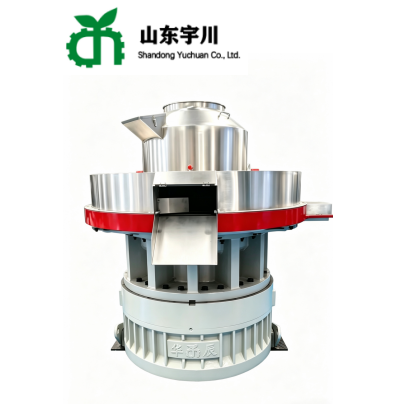
A Biomass Fuel Pellet Making Machine is specialized equipment designed to convert loose biomass materials into compact, cylindrical solid fuel pellets through mechanical compression and extrusion. It provides an effective way to transform agricultural residues, forestry waste, and wood-processing by-products into more manageable fuel products.
Many agricultural and wood-processing industries generate large quantities of biomass residues every year. These materials often have low bulk density, irregular shapes, and relatively high transportation and storage costs. Processing them into fuel pellets helps improve material handling efficiency and creates additional commercial value from available resources.
Shandong Yuchuan Environmental Protection Equipment Co., Ltd. specializes in biomass processing machinery, including vertical ring die pellet mills, rotary drum dryers, crushing equipment, and complete pellet production lines.
Our Biomass Fuel Pellet Making Machine is designed for industrial production applications. It can be configured according to different raw materials, production capacities, and final pellet requirements.
Whether you are establishing a new biomass fuel factory or upgrading an existing production facility, Yuchuan can provide suitable equipment combinations based on your actual project conditions.
2. Working Principle
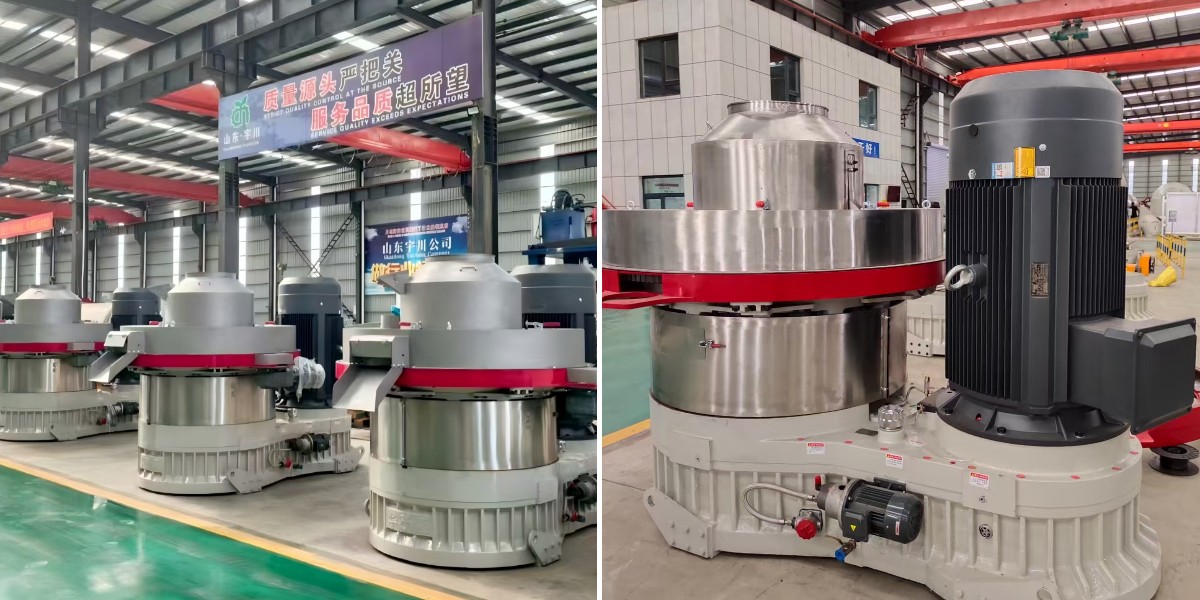
The Biomass Fuel Pellet Making Machine operates through a mechanical densification process. Prepared biomass materials are fed into the pelletizing chamber, where pressing rollers force the materials through the die holes under mechanical pressure.
During this process, friction and compression help bind suitable biomass particles together to form cylindrical pellets.
The main working stages include:
1. Material Feeding
Prepared raw materials are delivered into the pelletizing chamber through a feeding system to maintain a consistent material supply.
2. Mechanical Compression
The pressing rollers apply pressure to the biomass materials, reducing the gaps between particles and increasing material density.
3. Pellet Extrusion
Under continuous pressure, the compressed material passes through the die holes and forms cylindrical fuel pellets.
4. Pellet Cutting
A cutting mechanism controls the length of the discharged pellets according to the required specifications.
5. Finished Pellet Discharge
The formed pellets are discharged from the machine and transferred to subsequent cooling, screening, and packaging processes.
The performance of a Biomass Fuel Pellet Making Machine depends on raw material characteristics, moisture content, particle size, die specifications, and operating conditions.
3. Key Product Advantages
1. Higher Bulk Density for Better Logistics
The machine compresses loose biomass residues into dense fuel pellets, helping reduce the volume occupied by raw materials. This makes finished products easier to store, handle, and transport compared with untreated loose biomass.
2. Flexible Processing for Different Biomass Resources
Suitable for processing various prepared biomass materials, including sawdust, wood residues, rice husks, straw, palm fiber, and other agricultural by-products. This flexibility allows manufacturers to utilize locally available resources.
3. Consistent Pellet Forming Performance
The ring die and pressing roller system works together to provide continuous compression and extrusion. With properly prepared materials and suitable operating parameters, the machine can produce pellets with relatively consistent dimensions and shapes.
4. Designed for Industrial Production
The mechanical structure is designed for regular industrial operation. Key components can be inspected and maintained, while wearing parts can be replaced when necessary to support long-term equipment use.
5. Adjustable Pellet Specifications
Different die hole sizes and cutting settings can be selected according to pellet diameter and length requirements. This allows manufacturers to produce different fuel pellet specifications for various markets and applications.
6. Expandable Production System
The Biomass Fuel Pellet Making Machine can be integrated with crushing, drying, conveying, cooling, screening, and packaging equipment. Manufacturers can start with basic processing equipment and expand their production systems according to future business development.
4. Applicable Raw Materials
Different biomass materials have different physical properties and processing requirements. Before entering the Biomass Fuel Pellet Making Machine, raw materials should be prepared according to their moisture content, particle size, fiber structure, and other characteristics.
The following materials are commonly considered for biomass fuel production:
Raw Material | Processing Requirements |
|---|---|
Sawdust | Moisture and particle size control |
Wood Chips | Crushing and size reduction |
Suitable die and compression settings | |
Rice Straw | Cutting and fiber preparation |
Wheat Straw | Crushing and moisture adjustment |
Palm Fiber | Fiber shredding and conditioning |
Empty Fruit Bunch (EFB) | Shredding and drying |
Corn Stalk | Crushing and material preparation |
Sugarcane Bagasse | Moisture reduction and fiber processing |
Size reduction and pelletizing tests |
The actual processing solution should be determined through raw material evaluation and pelletizing tests.
5. Application Industries
The Biomass Fuel Pellet Making Machine is widely relevant to industries that generate biomass residues or require alternative solid fuel resources.
1. Wood Processing and Furniture Manufacturing
Woodworking factories, sawmills, and furniture manufacturers generate sawdust, wood shavings, and wood offcuts. These by-products can be processed into biomass fuel pellets instead of being treated as low-value waste.
2. Agricultural Waste Recycling
Agricultural businesses can utilize crop residues such as rice straw, wheat straw, corn stalks, and peanut shells to produce solid fuel products.
3. Palm Oil Processing Plants
Palm oil mills produce large quantities of empty fruit bunches and palm fiber. With suitable shredding, drying, and pelletizing processes, these residues can become potential raw materials for biomass fuel production.
4. Biomass Fuel Manufacturing Factories
Commercial biomass fuel producers can use industrial pelletizing equipment to establish dedicated fuel production facilities and supply pellets to different energy users.
5. Industrial Boiler and Heating Applications
Biomass fuel pellets can serve as solid fuel for compatible industrial boilers and heating systems. Their suitability depends on pellet quality, fuel specifications, and combustion equipment requirements.
6. Renewable Energy and Resource Utilization Projects
Companies involved in renewable energy and waste utilization can explore biomass pellet production as part of broader resource recovery and solid biofuel development projects.
6. Complete Biomass Fuel Pellet Production Line
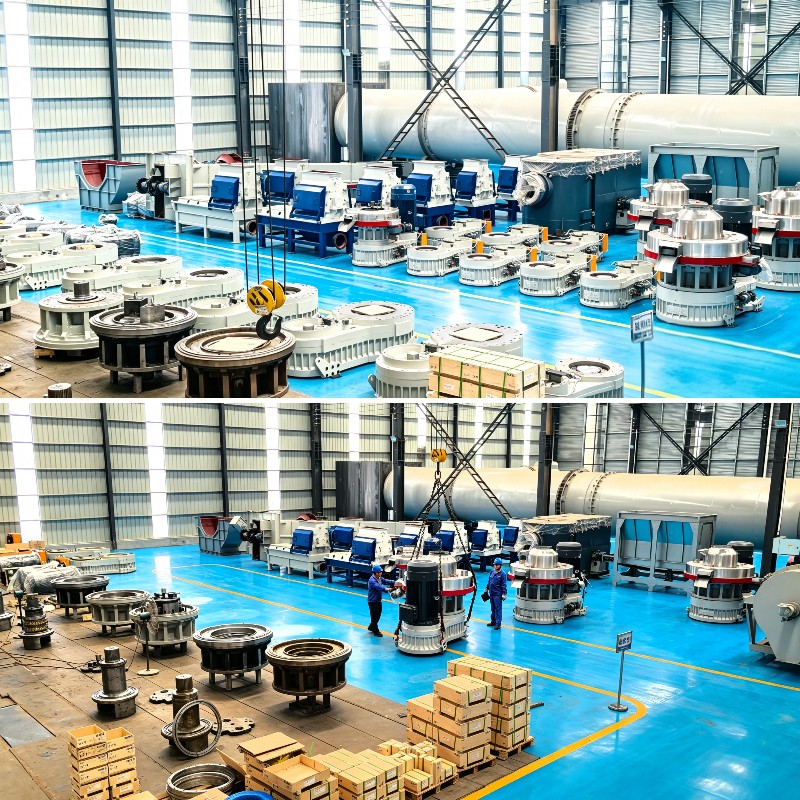
For customers planning commercial biomass fuel production, a single pelletizing machine may not be sufficient. Raw material preparation and finished pellet handling also play important roles in the overall production process.
Yuchuan can provide equipment combinations for different processing requirements.
Typical Production Process:
Production Stage | Equipment |
|---|---|
Raw Material Collection | Feeding Hopper |
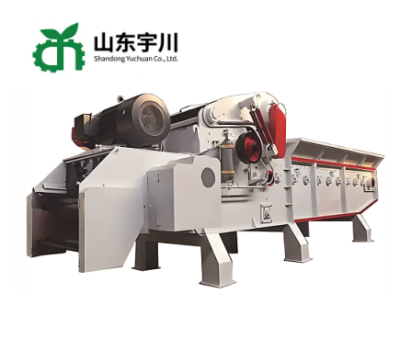
Primary Processing | Wood Crusher / Shredder |
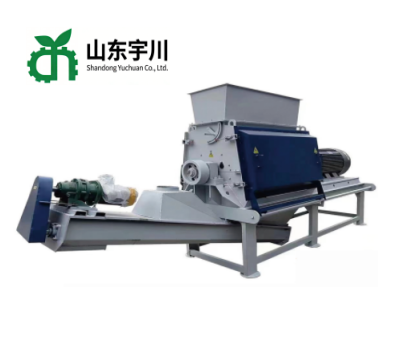
Fine Grinding | |
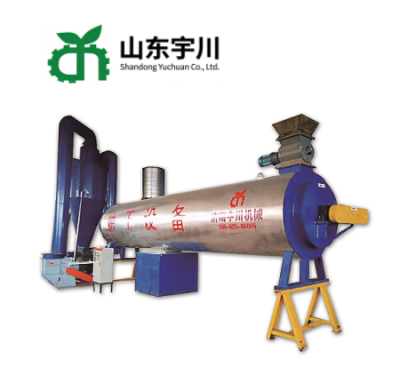
Moisture Adjustment | Rotary Drum Dryer |
Material Conveying | Belt Conveyor / Screw Conveyor |
Pelletizing | Vertical Ring Die Pellet Mill |
Pellet Cooling | Counterflow Cooler |
Pellet Screening | Vibrating Screen |
Finished Product Packaging | Automatic Packing Machine |
Flexible Production Configuration
For dry and finely processed raw materials, some preparation equipment may not be required. For agricultural residues with high moisture content or irregular fiber structures, additional crushing and drying equipment may be necessary.
The final production line configuration should be based on actual material conditions and the target finished pellet output.
7. Factors Affecting Pellet Quality
Producing commercial biomass fuel pellets requires more than choosing a suitable machine. Raw material preparation and operating conditions directly affect the final product.
Moisture Content
Excessive moisture may interfere with compression and pellet formation, while insufficient moisture may also affect material bonding. The suitable range depends on the raw material and equipment.
Particle Size
Uniformly prepared materials generally provide more consistent feeding and compression. Oversized materials may require additional crushing.
Raw Material Composition
Different biomass materials have different fiber structures and natural binding properties. Some materials may require blending or conditioning to improve pellet formation.
Die Specifications
Die hole diameter and compression characteristics influence pellet dimensions, density, and forming performance.
Cooling and Storage
Freshly produced pellets may retain heat and moisture. Proper cooling and storage conditions help maintain product quality during handling and transportation.
8. How to Select the Right Biomass Fuel Pellet Making Machine?
Selecting the right equipment is an important investment decision for biomass fuel manufacturers. Instead of focusing only on the initial machine price, buyers should consider production requirements, raw material conditions, equipment compatibility, and long-term operating costs.
Before purchasing, evaluate the following points:
1. Raw Material Availability
Confirm whether your raw materials are available throughout the year and whether their quality remains relatively consistent.
2. Required Production Capacity
Clarify the expected finished pellet output, such as 500 kg/h, 1 ton/h, 2 tons/h, or higher.
3. Raw Material Moisture
Provide actual moisture data to determine whether a rotary drum dryer or other drying equipment is necessary.
4. Pellet Specifications
Identify the required pellet diameter, length, and intended application.
5. Production Line Requirements
Determine whether you need an individual machine or a complete processing system.
6. Equipment Maintenance
Consider the availability of spare parts, wearing components, maintenance access, and technical support.
9. Frequently Asked Questions
Q1: What is a Biomass Fuel Pellet Making Machine used for?
A Biomass Fuel Pellet Making Machine is used to compress prepared biomass materials into solid fuel pellets. It helps convert agricultural residues, forestry waste, and wood-processing by-products into more compact and manageable fuel products.
Q2: Can the machine process different types of biomass materials?
Yes. It can process different prepared biomass materials, including sawdust, wood residues, rice husks, straw, palm fiber, and other suitable agricultural residues. Different materials may require different preparation and operating parameters.
Q3: Does the machine require a dryer?
A dryer is not always necessary. If the raw material already has suitable moisture content, additional drying may not be required. For high-moisture materials, a rotary drum dryer is generally recommended as part of the preparation process.
Q4: What production capacity can the machine achieve?
Production capacity depends on the machine model, raw material properties, moisture content, and pellet specifications. Yuchuan can recommend suitable equipment according to the customer's required finished pellet output.
Q5: Can I produce fuel pellets from palm fiber or empty fruit bunches?
Palm fiber and empty fruit bunches can be considered for biomass fuel pellet production. However, these materials generally require suitable shredding, drying, and size reduction before pelletizing. A material test is recommended to determine the appropriate process.
Q6: Can I purchase a complete biomass fuel pellet production line?
Yes. Yuchuan can provide equipment combinations covering raw material crushing, drying, conveying, pelletizing, cooling, screening, and packaging according to project requirements.
Q7: What information is needed for an accurate quotation?
Please provide your raw material type, moisture content, required production capacity, desired pellet diameter, and whether you need an individual pelletizing machine or a complete production line.
10. Why Choose Shandong Yuchuan?
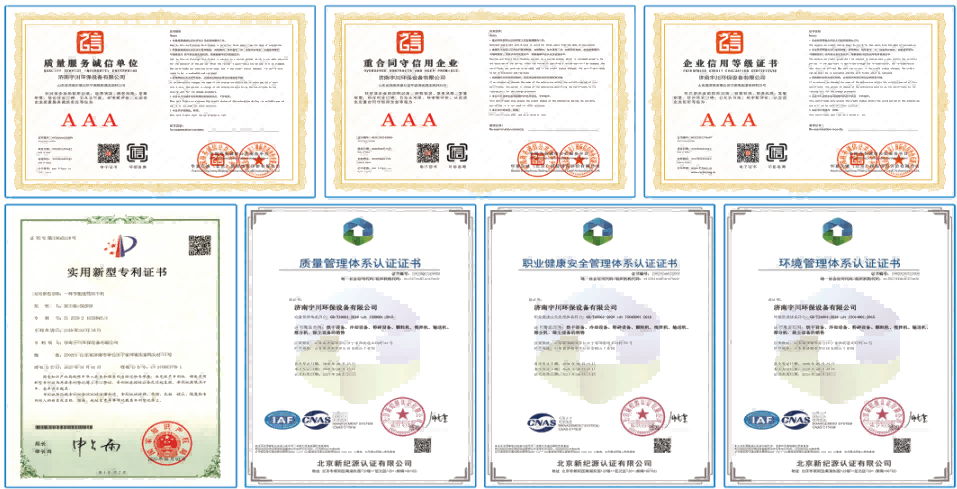
Shandong Yuchuan Environmental Protection Equipment Co., Ltd. is a biomass equipment manufacturer located in Jinan, Shandong, China.
We focus on the development and manufacturing of biomass processing machinery, providing equipment for customers involved in agricultural waste utilization, wood processing, and biomass fuel production.
Our main product range includes:
Vertical Ring Die Pellet Mill
Biomass Fuel Pellet Making Machine
Rotary Drum Dryer
Wood Crusher Machine
Cooling and Screening Equipment
Complete Biomass Processing Solutions
Our Service Advantages:
Equipment recommendations based on raw material characteristics.
Production configurations tailored to different output requirements.
Individual machines and complete production line solutions.
Equipment selection and technical communication support.
Practical solutions for different biomass processing projects.
We understand that every biomass fuel project has different raw materials, production targets, and investment requirements. Therefore, we focus on providing suitable equipment combinations rather than offering the same configuration to every customer.
11. Get a Customized Biomass Fuel Pellet Production Solution
Are you looking for a reliable Biomass Fuel Pellet Making Machine for your biomass processing project?
Whether your raw materials are sawdust, wood chips, rice husks, straw, palm fiber, or other agricultural residues, Yuchuan can help you evaluate your processing requirements and select suitable equipment.
Tell us more about your project, and our team will prepare an equipment recommendation based on your actual production conditions.
To receive a quotation, please provide:
Raw material type:
Raw material moisture content:
Required capacity (kg/h or tons/h):
Required pellet diameter:
Individual machine or complete production line:
Contact Shandong Yuchuan today and turn your biomass resources into valuable fuel products!