Can Different Biomass Materials Be Processed by One Pellet Mill?
Can Different Biomass Materials Be Processed by One Pellet Mill?
As the biomass energy industry continues to develop, more manufacturers are looking for ways to turn locally available agricultural and forestry residues into valuable biomass pellets. However, many businesses do not have access to a single, consistent raw material. Their supply may include sawdust, wood chips, corn stalks, rice straw, rice husks, sugarcane bagasse and other agricultural by-products.
This raises an important question: Can different biomass materials be processed by one biomass pellet mill?
The answer is yes, in many cases. A properly selected biomass pellet mill can process different types of biomass feedstock. However, it does not mean that every material can be fed directly into the same machine without preparation. Different raw materials have different moisture levels, fiber structures, particle sizes and natural binding characteristics. These factors influence the pelletizing process, production capacity and final pellet quality.
For manufacturers planning to use multiple feedstocks, understanding these differences is essential before selecting a biomass pellet mill or investing in a complete production line.
1. What Biomass Materials Can One Pellet Mill Process?
A biomass pellet mill can be used with a variety of wood-based and agricultural materials, provided that the raw materials are suitable for the machine and properly pretreated.
Wood-Based Materials
Common wood-based feedstocks include:
Wood sawdust and pine sawdust
Wood chips
Wood shavings
Hardwood and softwood residues
Forestry and furniture-processing waste
Wood residues are widely used in commercial pellet production. However, large wood chips and irregular pieces usually need to be crushed into smaller particles before entering the biomass pellet mill.
Agricultural Residues
Agricultural by-products are another important source of biomass feedstock. Depending on their properties and the production requirements, suitable materials may include:
Corn stalks and corn stover
Wheat straw
Rice straw
Sugarcane bagasse
Peanut shells
Rice husks
These materials can help businesses make better use of agricultural waste. Nevertheless, their fibrous structures, ash content and bulk density may differ considerably from those of wood sawdust. A suitable crushing, drying and feeding system is therefore important.
Other Biomass Materials
Some production projects also consider palm fiber, empty fruit bunches, coconut residues and other locally available biomass resources. Whether these materials can be processed by a particular biomass pellet mill depends on their physical characteristics, contamination levels and required pellet specifications.
A raw-material test is recommended before finalizing the machine configuration.
2. Why Do Different Biomass Materials Require Different Processing Conditions?
Although one biomass pellet mill may handle several feedstocks, the operating conditions should not be assumed to be identical.
Moisture Content
Moisture content directly affects material flow, compression and pellet formation. Material that is too wet may cause unstable feeding or produce soft pellets. Material that is too dry may also create difficulties during compression, depending on its composition and the machine configuration.
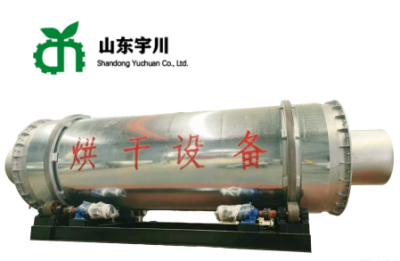
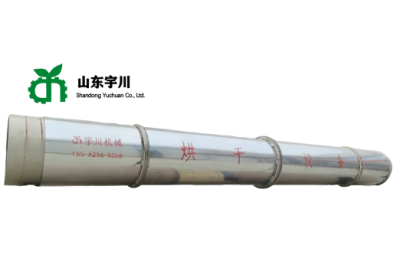
A rotary drum dryer or another suitable drying system may be required when the incoming material contains excessive moisture. The target moisture level should be determined through material testing and equipment recommendations rather than applying one fixed value to every feedstock.
Particle Size and Fiber Structure
Different materials require different size-reduction processes. Wood chips, corn stalks and other bulky residues generally need crushing before pelletizing. Fine sawdust may require less size reduction, although its particle-size distribution should still be checked.
Long fibers can affect feeding and material distribution inside the machine. A suitable hammer mill, crusher or fiber-processing system can help produce more uniform feedstock.
Natural Binding Characteristics
Biomass materials contain different amounts and types of natural components that influence pellet formation. Under pressure and heat, certain components can contribute to bonding between particles.
As a result, wood sawdust, straw and rice husks may behave differently during compression. Some materials may require adjustments to the moisture level, die specifications or conditioning process to achieve the desired pellet strength and durability.
3. How Does One Biomass Pellet Mill Process Different Materials?
A multi-feedstock project usually requires a coordinated production process rather than a pellet mill working alone.
Step 1: Raw Material Collection and Sorting
First, collect and inspect the incoming biomass. Remove stones, metal pieces, soil and other unwanted contaminants. If several materials are used, they should be stored and identified separately to make feedstock management easier.
Step 2: Crushing and Size Reduction
Large or fibrous materials are processed through suitable crushing equipment. The objective is to obtain a particle size that can be fed consistently into the biomass pellet mill.
Step 3: Drying and Moisture Adjustment
Check the moisture content of each material. If it exceeds the suitable range for pelletizing, use a drying system to reduce moisture. Different feedstocks may require different drying conditions and processing times.
Step 4: Mixing and Conditioning
When the project uses more than one raw material, a mixer can help distribute the materials evenly according to the required formula. Moisture adjustment or conditioning may also be necessary.
For example, a manufacturer may combine sawdust with selected agricultural residues. The actual mixing ratio should be determined through material analysis and pellet tests, not simply by using a fixed proportion.
Step 5: Pelletizing, Cooling and Screening
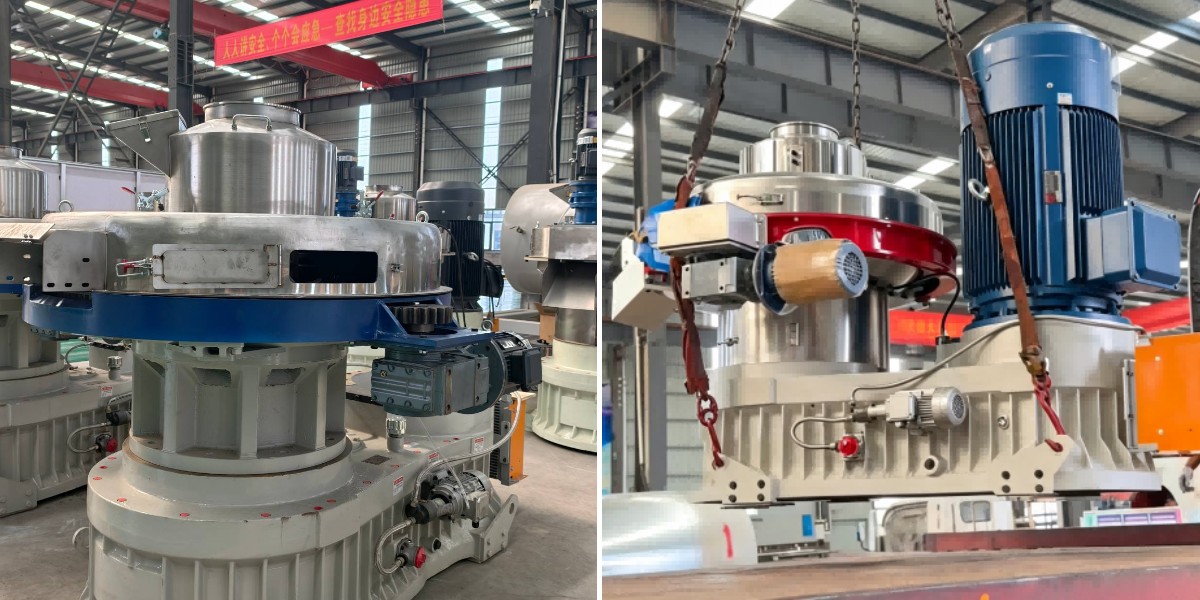
The prepared material enters the biomass pellet mill, where rollers compress it through the die holes to form cylindrical pellets.
Fresh pellets are usually hot and relatively soft. A pellet cooler helps reduce their temperature, while a screening machine separates acceptable pellets from fines. The finished pellets can then be stored or packed according to the customer's requirements.
4. Can One Machine Process Mixed Biomass Materials?
Yes, but the answer depends on how the materials are used.
There are two common production approaches:
Approach A: Processing different materials separately. The same biomass pellet mill processes one raw material at a time. Operators adjust the feeding rate and relevant machine settings when switching between materials. This approach is suitable for manufacturers who receive different feedstocks seasonally or from different suppliers.
Approach B: Processing a blended feedstock. Two or more materials are mixed in a controlled ratio before entering the pellet mill. This approach can help manufacturers use different local resources together, but the mixing formula must be tested to ensure stable feeding and acceptable pellet quality.
It is important to understand that a machine capable of processing several materials does not necessarily achieve the same output capacity with every material. Actual capacity depends on feedstock properties, moisture, particle size, die specifications, motor configuration and operating conditions.
5. What Should Buyers Consider When Choosing a Biomass Pellet Mill?
Before purchasing a biomass pellet mill for multiple feedstocks, buyers should provide the supplier with detailed project information.
Key points include:
Raw material types: List all materials that the plant intends to process.
Moisture content: Provide the average and maximum moisture levels of each material.
Particle size: Explain whether the materials are sawdust, chips, stalks or larger residues.
Production capacity: Clarify the required hourly output for each feedstock or for the blended formula.
Pellet specifications: Confirm the required pellet diameter, length and intended application.
Production requirements: Explain whether crushing, drying, mixing, cooling, screening and packaging equipment is needed.
Providing this information allows the manufacturer to recommend a more suitable biomass pellet mill and supporting equipment.
6. Industry Trends: Making Better Use of Available Biomass Resources
The development of biomass pellet production is closely connected with renewable energy demand and the utilization of forestry and agricultural residues.
According to the Food and Agriculture Organization (FAO), global wood pellet production reached approximately 48 million tonnes in 2024, while international trade accounted for around 31 million tonnes. The Asia-Pacific region also increased its share of global wood pellet production compared with 2020.
These figures reflect the importance of biomass pellets in international bioenergy markets. They also highlight opportunities for producers to explore alternative feedstocks and improve the utilization of local resources.
For manufacturers, the ability to process different biomass materials can offer greater flexibility in raw-material sourcing. Instead of relying entirely on one feedstock, a plant may evaluate several locally available materials and develop a suitable production formula.
However, flexibility should not come at the expense of product quality. Raw-material testing, appropriate pretreatment and correct equipment selection remain essential.
7. FAQ: Biomass Pellet Mill for Different Materials
Q1: Can one biomass pellet mill process both wood sawdust and corn stalks?
In many cases, yes. However, corn stalks generally require suitable crushing and moisture adjustment before pelletizing. The machine configuration and operating conditions should be checked for both materials.
Q2: Can different biomass materials be mixed before pelletizing?
Yes. A mixing system can combine different feedstocks in a controlled ratio. The formula should be tested to evaluate feeding stability, pellet formation and final quality.
Q3: Does every biomass material need a drying machine?
No. The need for drying depends on the initial moisture content and the requirements of the pelletizing process. Naturally dry materials may not require additional drying, while wet materials may need a rotary drum dryer or another suitable solution.
Q4: Will the pellet mill have the same capacity with every material?
Not necessarily. Different feedstocks have different physical properties and compression characteristics. Actual output should be evaluated according to the material type, preparation process and machine configuration.
Conclusion: Choose a Biomass Pellet Mill Based on Your Raw Materials
One biomass pellet mill can offer the flexibility to process different wood-based and agricultural feedstocks. However, successful multi-material production depends on more than the pelletizing machine itself. Crushing, drying, mixing, feeding and cooling systems all contribute to stable operation and consistent pellet quality.
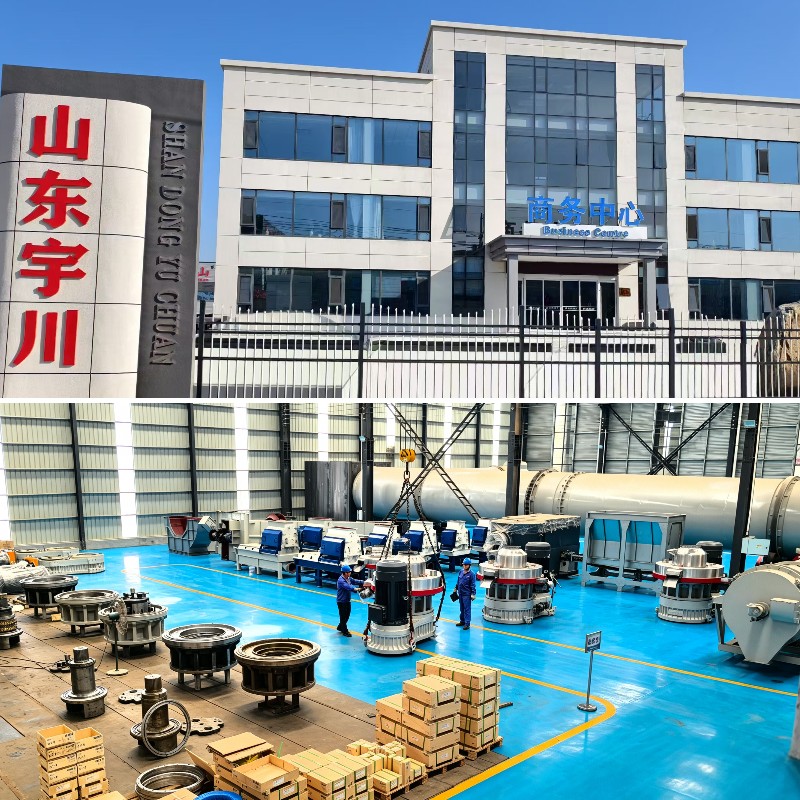
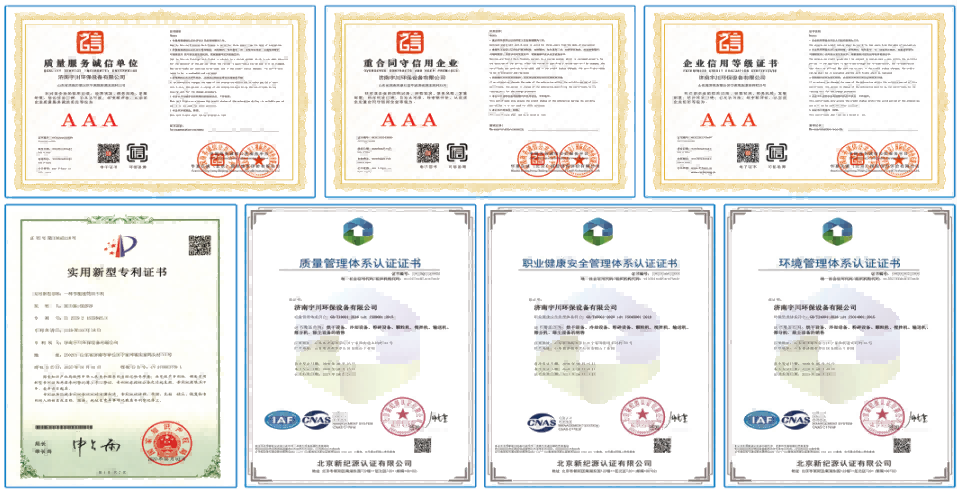
At Shandong Yuchuan Environmental Protection Equipment Co., Ltd., we provide biomass pelletizing equipment and complete production-line solutions for different raw-material requirements. Our team can evaluate your feedstock characteristics and production goals to help identify a suitable equipment configuration.
Are you planning to process sawdust, wood chips, corn stalks, rice straw or several biomass materials in one plant?
Contact Yuchuan with your raw material photos, moisture content, required capacity and pellet specifications. We will help you evaluate a suitable biomass pellet mill and production-line solution for your project.