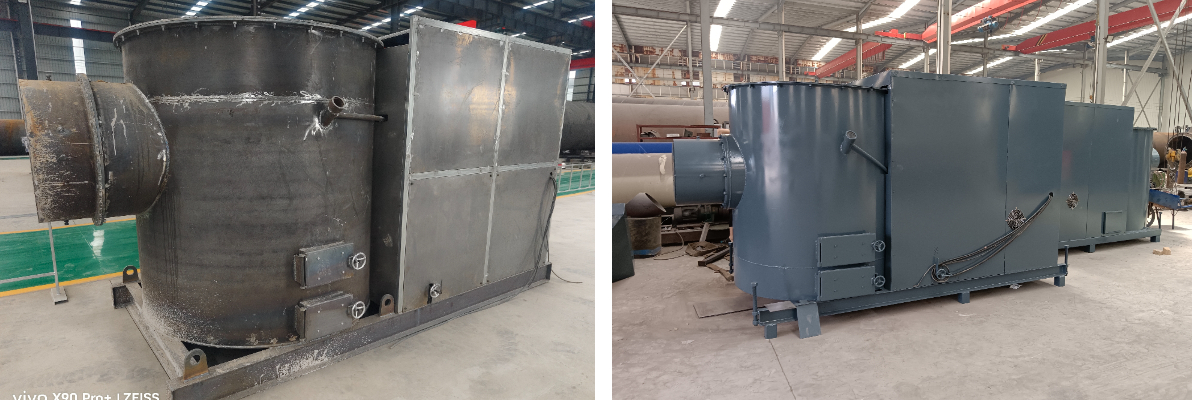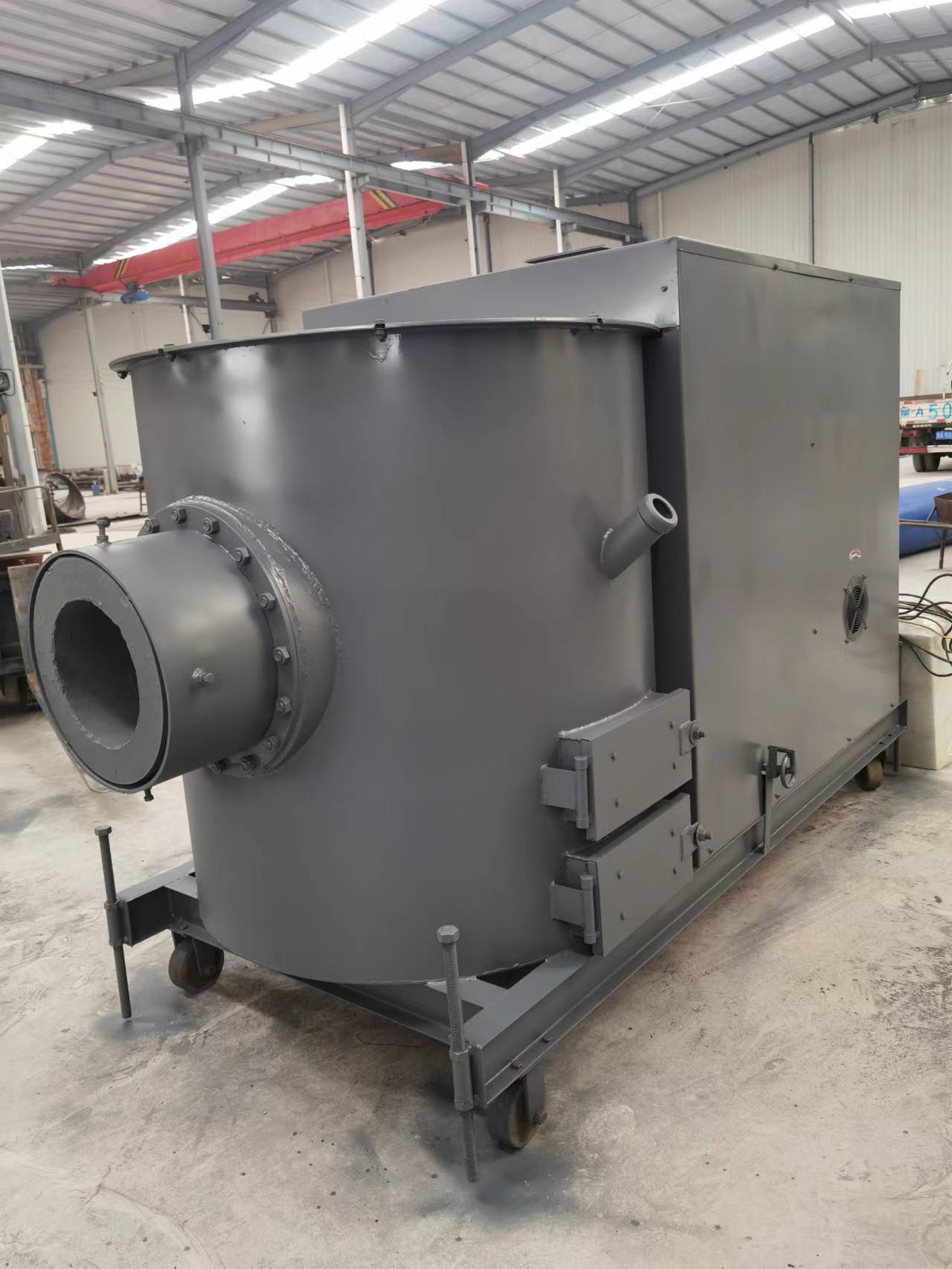
Wood Pellet Stove Burning Wood Pellets
Wide application
Fits multiple industries and drying‑heating scenarios.
Great fuel adaptability
Semi‑gasification & cyclone air distribution, over 95% combustion efficiency.
Safe stable combustion.
Micro‑pressure anti‑tempering & anti‑deflagration. 30%‑130% load adjustment. Low‑emission, ideal replacement for coal‑fired furnaces.
Easy operation & low maintenance
Auto feed, discharge, ignition and temperature control; 24h unattended running.
Low investment & operating cost. Wide‑range variable‑frequency combustion, adjust mode on demand.
Product Overview
In a biomass pellet production process, the heating system has a direct impact on drying efficiency, operating costs, and the overall stability of the production line. As an important auxiliary unit, the Biomass Hot Air Furnace provides a stable and continuous heat source for drying sawdust, rice husk, straw, bamboo powder, peanut shells, palm fiber, and other biomass materials.
Yuchuan Biomass Hot Air Furnace uses biomass fuels as the main energy source. Heat generated through combustion is transferred to the drying air, providing a continuous supply of hot air for downstream drying equipment. According to different project requirements, the furnace can be integrated with biomass pellet production lines.
Compared with conventional coal-fired heating systems, a biomass hot air furnace is better suited to modern biomass processing projects, especially where energy utilization, environmental requirements, and biomass waste recycling are important considerations.
Why Does a Pellet Production Line Need an Efficient Heat Source?
Biomass feedstocks can have significantly different moisture levels, while pelletizing requires the material to remain within a suitable moisture range. Excessively wet material may cause poor pellet formation, unstable production, higher energy consumption, and even material blockage.
A reliable heating system helps the production line:
Maintain stable drying temperatures
Reduce the impact of high-moisture feedstock
Improve continuous dryer operation
Reduce frequent manual heat-source adjustments
Improve overall biomass fuel utilization
Maintain more stable pellet production capacity
Key Advantages of Biomass Hot Air Furnace
Biomass Fuel Utilization
The furnace can utilize biomass fuels such as sawdust, biomass pellets, and straw-based fuels, helping convert agricultural residues and biomass by-products into useful thermal energy.
Stable Heat Supply
A properly designed combustion chamber and air supply system help maintain stable combustion and provide continuous hot air to the dryer, reducing the impact of temperature fluctuations on drying performance.
Compatible with Various Dryers
The system can be matched with rotary drum dryers, triple-pass dryers, sawdust dryers, straw dryers, wood chip dryers, and other industrial drying equipment according to capacity and material requirements.
Efficient Thermal Utilization
Optimized combustion, heat transfer, and hot-air delivery help utilize thermal energy more effectively during material drying and improve overall heating efficiency.
Designed for Continuous Operation
The furnace is suitable for continuous production in biomass pellet plants, sawdust processing facilities, and agricultural or forestry residue processing projects. Heating capacity can be configured according to actual production requirements.
Application Fields
1. Biomass Pellet Production Lines
Provides thermal energy for drying raw materials used in wood pellet, straw pellet, rice husk pellet, and other biomass pellet production.
2. Sawdust and Wood Chip Processing
Suitable for continuous drying of high-moisture sawdust and wood chips.
3. Agricultural Waste Recycling
Can provide useful thermal energy from straw, rice husk, peanut shells, and other agricultural residues.
4. Biomass Fuel Processing Plants
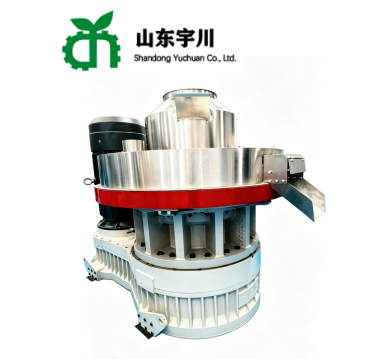
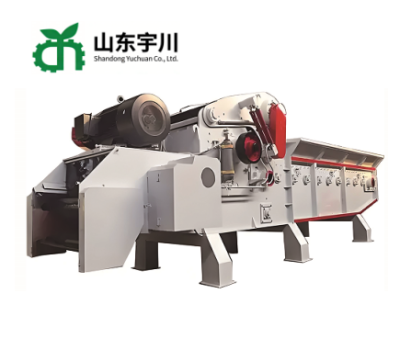
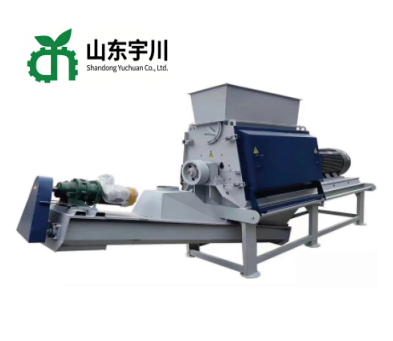
Can be integrated with crushing, drying, pelletizing, cooling, and packing equipment.
5. Industrial Drying Projects
Can also serve as an auxiliary heat source for other industrial drying applications when the thermal requirements are compatible.