Coffee Grounds Dryer
1. High Drying Efficiency
Equipped with an optimized drying system, the Coffee Grounds Dryer quickly reduces moisture content and improves drying efficiency.
2. Energy-Saving Design
Optimized heat utilization reduces energy consumption and helps lower overall production costs.
3. Uniform Drying
Continuous mixing and lifting ensure that coffee grounds are fully exposed to hot air for more uniform drying.
4. Wide Moisture Adaptability
Suitable for coffee grounds with different initial moisture levels, meeting various industrial drying requirements.
5. Continuous Operation
Designed for continuous feeding and discharging, supporting large-scale coffee waste processing.
6. Customized Drying Solutions
Drying capacity, heat source, and equipment configuration can be customized according to raw material characteristics and customer requirements.
1. Product Overview
The Coffee Grounds Dryer is specially designed to reduce moisture in wet coffee grounds through a continuous industrial drying process. By controlling drying temperature, airflow, material residence time, and feeding speed, the machine helps achieve stable and uniform drying results.
Whether you are processing coffee waste from a coffee factory or developing a coffee grounds recycling project, our industrial coffee grounds drying machine can provide a practical solution for improving material utilization and production efficiency.
2. Why Do Coffee Grounds Need Drying?
Fresh coffee grounds are often wet, loose, and difficult to handle. Without proper drying treatment, they may create several problems during subsequent processing:
Difficult Storage: High moisture content increases the risk of mold and deterioration during storage.
High Transportation Costs: Wet coffee grounds are heavier, resulting in additional transportation expenses.
Unstable Processing: Excess moisture may affect pelletizing, mixing, and other downstream production processes.
Limited Recycling Options: Drying helps prepare coffee grounds for further utilization in biomass fuel, fertilizer, and other recycling applications.
An industrial Coffee Grounds Dryer helps solve these problems by reducing moisture and preparing the material for subsequent processing.
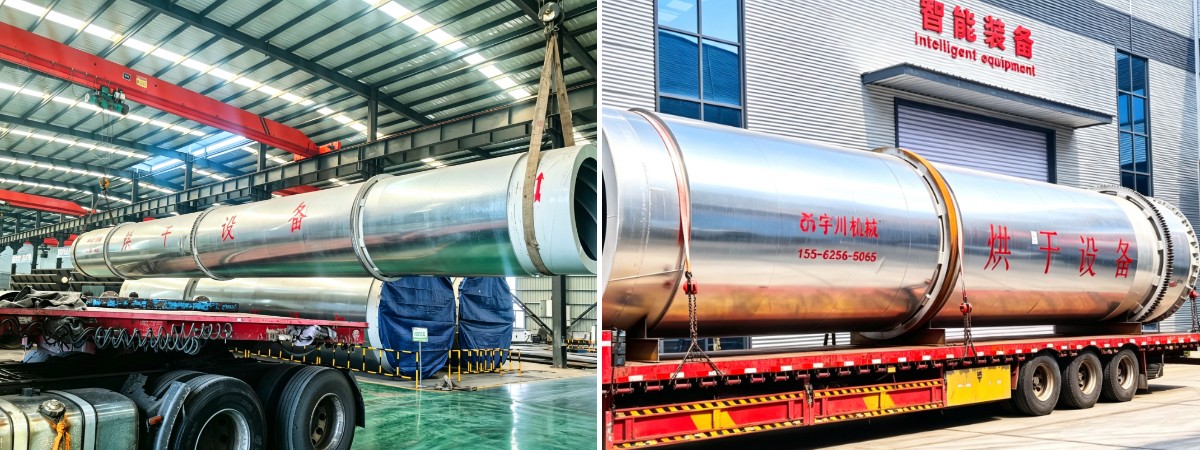
3. Working Principle of Coffee Grounds Dryer
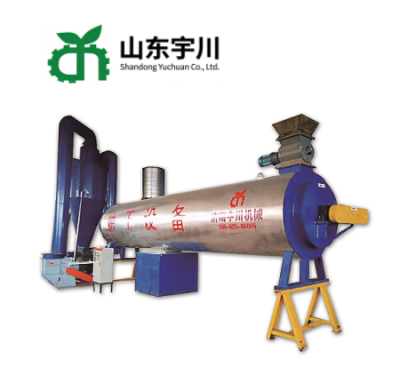
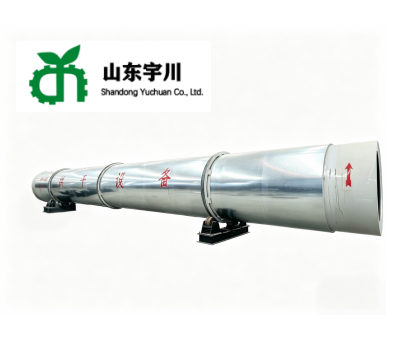
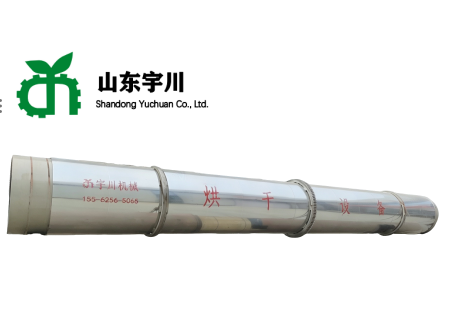
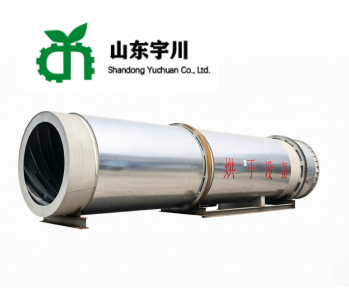
The Coffee Grounds Dryer generally adopts a continuous rotary drying system. Wet coffee grounds enter the drying drum through a feeding device. Under the combined action of drum rotation, internal lifting plates, and hot air circulation, the material is continuously lifted, dispersed, and moved forward.
During this process, moisture evaporates as the coffee grounds come into contact with hot air. The dried material is discharged from the outlet, while moisture-laden exhaust gas passes through the dust collection system before being discharged or further treated.
The main drying process includes:
Feeding: Wet coffee grounds are evenly conveyed into the drying drum.
Lifting and Dispersion: Internal lifting plates distribute the material and increase contact with hot air.
Heat Exchange: Hot air transfers heat to the coffee grounds, allowing moisture to evaporate.
Moisture Removal: Moisture is carried away through the exhaust system.
Discharging: Dried coffee grounds are continuously discharged for cooling, storage, or further processing.
4. Key Advantages of Our Coffee Grounds Dryer
Designed for High-Moisture Materials
Coffee grounds are different from ordinary wood chips or grain materials. Their moisture content, bulk density, and physical properties require appropriate drying conditions. Our drying system can be configured according to the characteristics of wet coffee grounds.
Continuous and Stable Operation
The continuous feeding and discharging design supports industrial-scale coffee waste processing, helping improve production efficiency and reduce manual handling.
Uniform Heat Distribution
The optimized drum structure and internal lifting plates help distribute materials evenly, improving hot air contact and reducing uneven drying.
Flexible Heat Source Options
Depending on local energy availability and operating costs, the dryer can be equipped with suitable heat sources, such as biomass burners, natural gas burners, coal-fired hot air furnaces, or other compatible heating systems.
Integrated Dust Collection
A dust collection system can be configured to reduce dust emissions during drying and improve the working environment.
Customized Capacity and Configuration
Different coffee processing projects have different requirements. Drum dimensions, drying capacity, heating systems, and auxiliary equipment can be customized according to the customer's raw material conditions and production targets.
5. Coffee Grounds Dryer for Different Recycling Applications
Drying is not the final step in coffee waste recycling. It is an important preparation process that makes coffee grounds easier to handle and process.
Biomass Fuel Production: Dried coffee grounds can be mixed with other biomass materials and processed into solid fuel pellets, depending on the required fuel properties.
Organic Fertilizer Production: Coffee grounds can be incorporated into composting and organic fertilizer production after appropriate treatment.
Animal Bedding Materials: Properly processed coffee grounds may be explored as components of specialized bedding products, subject to hygiene and application requirements.
Industrial Resource Recovery: Dried coffee waste can be used as a feedstock for other material recovery and recycling projects.
Our Coffee Grounds Dryer can be integrated into different production lines according to the customer's final product requirements.
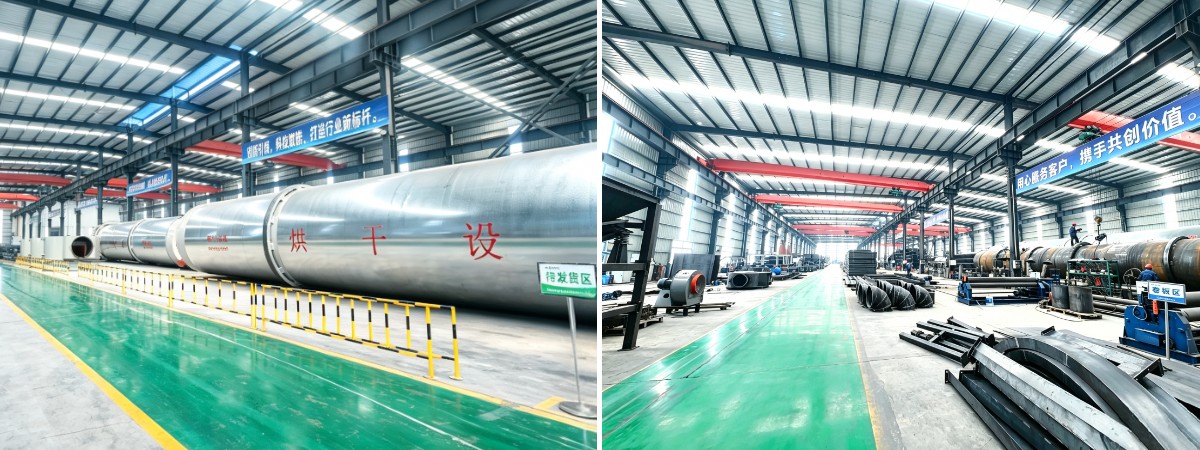
6. Customized Coffee Grounds Drying Solutions
Choosing the right Coffee Grounds Dryer requires more than simply looking at machine capacity. Material conditions and project requirements directly affect the drying system design.
To provide a suitable solution, we recommend evaluating the following factors:
Initial moisture content of wet coffee grounds.
Required final moisture content.
Expected processing capacity (tons per hour).
Available heat source and local energy costs.
Material feeding and discharging conditions.
Dust collection and environmental requirements.
Available installation space and site conditions.
Based on this information, our team can recommend a suitable dryer model and supporting equipment configuration.
7. Frequently Asked Questions
Q1: What is the final moisture content after drying?
The final moisture content can be adjusted according to the customer's requirements and the intended use of the dried coffee grounds. Actual results should be confirmed through material testing and equipment configuration.
Q2: What heat sources can be used?
Common options include biomass hot air furnaces, natural gas , coal-fired , and other suitable heating systems. The final selection depends on local energy availability and project requirements.
Q3: What information is needed to get a quotation?
Please provide your raw material, initial moisture content, target moisture content, required capacity, and available heat source. Photos or videos of the coffee grounds are also helpful for evaluating the project.
8. Get Your Coffee Grounds Drying Solution
Looking for a reliable Coffee Grounds Dryer for your recycling or biomass processing project?
We provide customized industrial drying equipment and complete production line solutions for different material conditions and production requirements.
Contact us with your material details and capacity requirements. Our team will help you select the right drying equipment and develop a practical solution for your project.