Dried Distiller’s Grains Feed Becomes Hot Global Protein Raw Material
In 2026, the global market for distiller’s grain animal feed maintains steady upward growth, with an overall market scale expected to hit USD 1.39 billion this year, according to professional industry analysis data. As soybean meal prices keep fluctuating, dried distiller’s grains and vinasse have become cost-effective high-protein substitutes widely accepted by feed mills and breeding farms worldwide.
Wet distiller’s grains discharged from alcohol plants and breweries contain abundant crude protein, yet their high moisture (75%-88%) leads to quick mildew and decay, making long-distance transportation impossible. A reliable Feed Dryer solves this bottleneck perfectly. After low-temperature dehydration, finished dried grains retain 26%-32% protein content, safe for storage and long-distance export trade.
Market data shows 87% of dried distiller’s grains are applied to livestock raising, including cattle, pigs, poultry and aquaculture. The Asia-Pacific region sees the fastest demand expansion, as local protein feed shortages push up import reliance to 22%. Southeast Asian distilleries, African ethanol factories and South American sugarcane mills are rushing to deploy drying equipment to turn waste vinasse into profitable feed commodities.
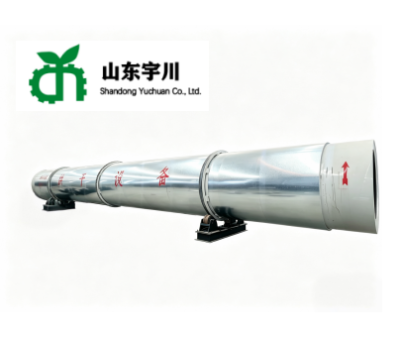
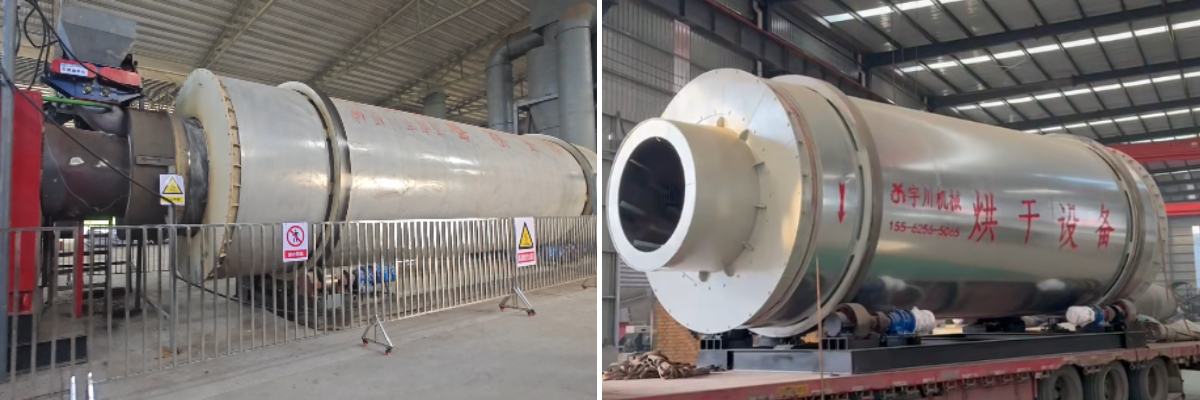
Modern rotary type Feed Dryer features multiple heat source compatibility, automatic continuous operation and anti-corrosion cylinder design. It supports standalone machines or full turnkey drying production lines, matching small family distilleries and large industrial ethanol plants alike. Beyond animal feed, dried distiller’s grains can also be processed into organic fertilizer, mushroom substrate and biomass fuel to maximize factory profit margins.
Sustainable circular economy policies across Europe, Africa and Southeast Asia now impose stricter waste disposal standards on distilleries. Transforming distillery residue into feed via drying technology cuts waste treatment costs while creating extra revenue streams, turning industrial waste into valuable circulating resources. Manufacturers with mature drying technology gain strong advantages in global equipment export competition.