Coconut Coir Dryer Shipped: Improving Efficient Coir Processing and Resource Utilization
Coconut Coir Dryer Successfully Shipped for Efficient Material Processing
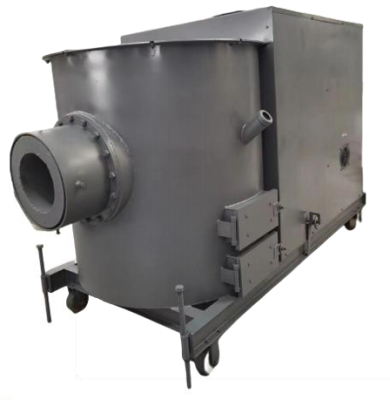
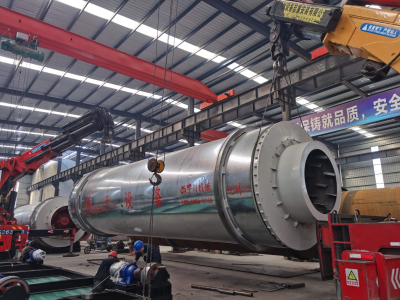
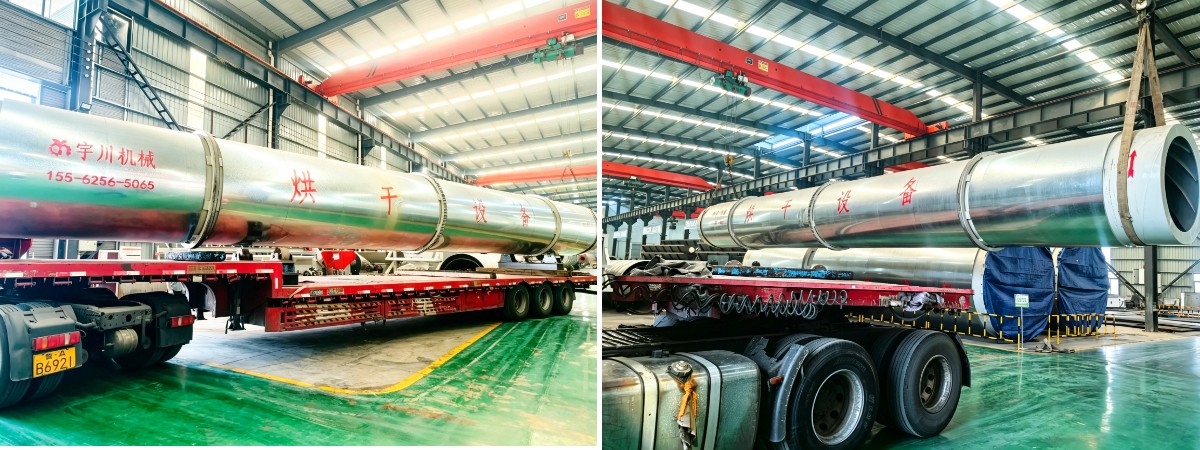
Recently, a complete Coconut Coir Dryer finished manufacturing, inspection, commissioning, and loading before being shipped to the customer. The equipment will be used to improve the drying efficiency of coconut coir and provide better conditions for its further processing and utilization.
With the development of the coconut processing industry, more attention is being paid to the comprehensive utilization of coconut processing by-products. Coconut coir is one of the important materials generated during coconut processing. Due to its organic content, fibrous structure, and good water-retention properties, it can be used in horticultural substrates, soil improvement, organic fertilizer production, biomass fuel, and other applications.
However, fresh coconut coir generally contains a considerable amount of moisture. If it is stored or processed without proper drying, excessive moisture may result in material caking, mold growth, higher transportation costs, and unstable downstream processing.
Therefore, efficient moisture reduction has become an important step in commercial coconut coir processing.
The recently shipped Coconut Coir Dryer is designed to provide a continuous and controllable drying solution for this type of material.
Key Advantages of the Coconut Coir Dryer
1. Designed for Coconut Coir Characteristics
Coconut coir is lightweight and fibrous, which requires appropriate material handling during drying. The drying system can be configured with suitable internal structures and conveying methods to improve material dispersion and drying uniformity.
2. Continuous Drying Operation
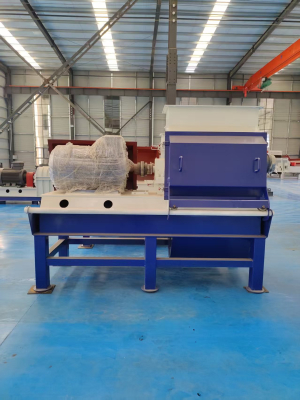
The system can operate continuously, making it suitable for large-scale coir processing. It can also be integrated with crushers, screens, pellet mills, packaging systems, and other downstream equipment.
3. Flexible Heat Source Options
Different heat sources can be selected according to local fuel availability, energy costs, environmental requirements, and project conditions. Biomass heating systems and gas-fired systems can be considered for different applications.
4. Reduced Manual Handling
Automated feeding, conveying, drying, and discharge reduce the need for frequent manual turning and material transfer, helping improve overall production efficiency.
5. Better Preparation for Further Processing
Properly dried coconut coir is easier to store, transport, and process. Depending on the final application, it can be used for horticultural substrates, organic fertilizer, biomass fuel, or other value-added products.
Turning Coconut Coir from By-Product into Valuable Raw Material
Coconut coir should not simply be regarded as waste. Its real value can be realized through proper processing and utilization.
In conventional coconut processing, wet coir may have limited economic value because of its high moisture content, transportation costs, or lack of suitable processing facilities.
With a Coconut Coir Dryer combined with downstream processing equipment, the material can enter a wider range of applications.
For horticultural applications, processed coir can be used as an important growing-medium component. In agriculture, it can be further processed for soil improvement or organic fertilizer production.
For biomass fuel projects, dried coir can also be subjected to additional size reduction and pelletizing processes to produce more convenient solid biomass fuel.
This means that drying is not simply a moisture-removal step. It can serve as a key stage in the value-added utilization of coconut processing by-products.
Coconut Coir Dryer Shipped for Global Biomass Processing Applications
The successful shipment of this Coconut Coir Dryer marks an important step from equipment manufacturing to project implementation.
For export projects, reliable drying performance is only one part of the solution. Equipment structure, transportation, installation conditions, local energy resources, and production requirements must also be considered.
As the global demand for agricultural waste and biomass by-product utilization continues to grow, materials such as coconut coir, sawdust, rice husk, straw, and other biomass residues are gaining increasing attention.
Efficient drying technology can help these materials move from low-value by-products toward more practical and profitable applications.
For companies looking to process coconut coir on a commercial scale, a suitable Coconut Coir Dryer can provide a stable foundation for subsequent storage, transportation, pelletizing, fertilizer production, horticultural applications, and other value-added processes.
For a customized drying solution, the processing capacity, initial moisture content, target moisture content, material characteristics, and available heat source should be evaluated together to determine the appropriate equipment configuration.