Why Does High Moisture Affect Biomass Pellet Production?
Learn how high moisture affects biomass pellet production, pellet quality, energy consumption, and how proper drying improves pelletizing performance.
As biomass energy utilization continues to expand, materials such as sawdust, straw, rice husks, cotton stalks, bagasse, and peanut shells are increasingly processed into biomass fuel pellets. For pellet producers, raw material moisture content is one of the key factors affecting pellet quality and production efficiency.
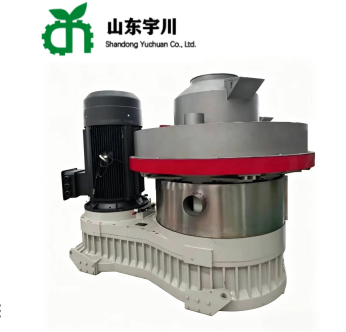
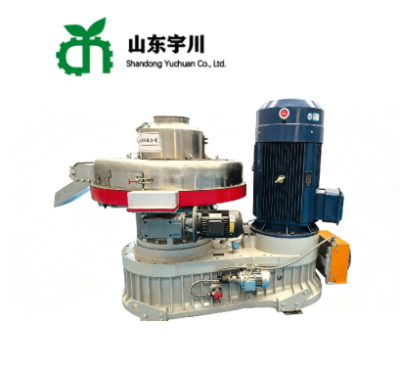
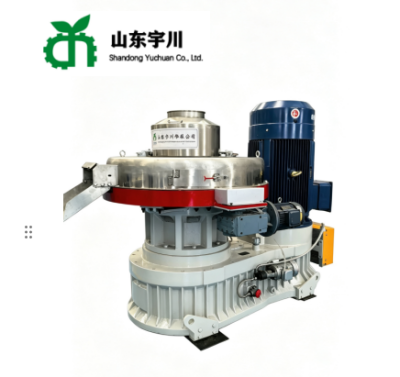
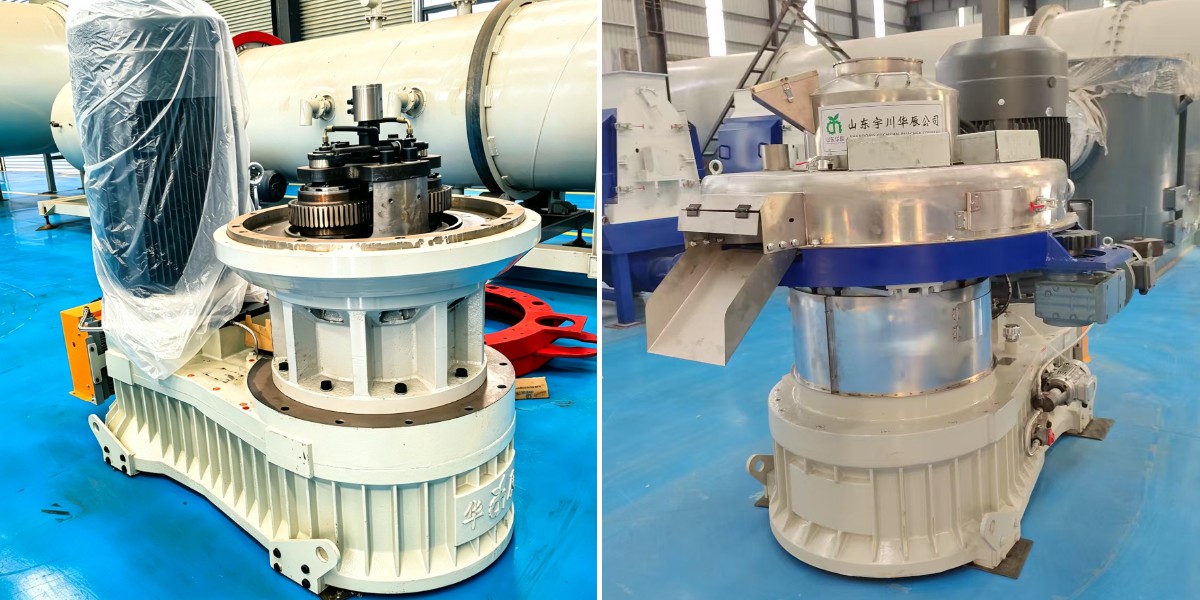
Many companies using a Biomass Pellet Machine may notice significant differences in performance when processing raw materials with different moisture levels. Loose pellets, poor forming performance, increased machine load, and higher energy consumption can often be related to improper moisture control.
Therefore, when designing a biomass pellet production line, attention should be given not only to the pellet mill itself but also to upstream crushing, drying, and conveying equipment. Proper pretreatment helps ensure that the raw material enters the pelletizing process in a suitable condition.
1. Why Is Moisture So Important in Biomass Pelletizing?
Biomass materials cannot simply be compressed mechanically to produce high-quality pellets. Fiber structure, particle size, moisture content, and compression conditions all influence the final pelletizing result.
A suitable amount of moisture can help biomass particles form a more stable structure during compression and improve bonding between particles. However, excessive moisture can reduce compression efficiency and negatively affect pellet formation.
For fibrous materials such as sawdust, straw, and cotton stalks, proper moisture control is therefore an important factor in maintaining stable operation of a Biomass Pellet Machine.
 2. What Problems Can High Moisture Cause?
 2. What Problems Can High Moisture Cause?
Poor Pellet Formation
When the raw material contains excessive moisture, it may not form a stable structure during compression. This can result in rough surfaces, weak pellets, or increased breakage.
Lower Pellet Quality
Excessive moisture increases the water content of finished pellets and can reduce storage stability. Under unsuitable packaging or storage conditions, excessive moisture may also increase the risk of clumping or deterioration.
Increased Energy Consumption
When raw materials contain large amounts of water, the production process must handle more moisture that does not contribute to pellet formation. For production lines requiring drying, higher initial moisture generally means more water needs to be removed, which can increase thermal energy requirements.
Unstable Production
Significant fluctuations in raw material moisture can change the material condition entering the pellet mill. This may require frequent adjustments to operating parameters and reduce overall production stability.
3. Is Lower Moisture Always Better?
Not necessarily.
Although excessive moisture can negatively affect pelletizing, overly dry biomass can also reduce forming performance. Very dry material may have insufficient bonding conditions, potentially increasing fines and reducing pellet strength.
Therefore, biomass pellet production is not simply about making the material as dry as possible. Suitable processing conditions should be determined according to raw material characteristics, particle size, pellet machine configuration, and final pellet requirements.
This is why a professional Biomass Pellet Production Line normally includes raw material testing and pretreatment before pelletizing rather than feeding untreated material directly into the pellet machine.
4. How Does a Dryer Improve Pellet Production?
For high-moisture sawdust, straw, cotton stalks, and other biomass materials, adding a drying stage before pelletizing can help stabilize the raw material condition.
A typical process is:
Raw Material → Crushing → Drying → Pelletizing → Cooling → Screening → Packing
The main purpose of the dryer is to remove excess moisture and prepare the material for more consistent pellet formation.
For larger projects, a suitable Biomass Dryer can be selected according to initial moisture content, target capacity, and available heat source, and then matched with the Biomass Pellet Machine to create a coordinated production system.
5. Different Biomass Materials Require Different Solutions
Different biomass materials do not have the same moisture content or fiber characteristics.
For example:
Sawdust: Moisture can vary depending on wood processing and storage conditions.
Straw: Seasonal harvesting can lead to significant changes in moisture content.
Cotton Stalks: Their fibrous structure usually requires proper crushing before pelletizing.
Rice Husks: Their physical structure and ash characteristics differ from woody biomass.
Bagasse: Often contains relatively high initial moisture, making upstream drying important.
Therefore, when selecting a Biomass Pellet Machine, buyers should consider more than the machine model or theoretical capacity. Raw material moisture, particle size, fiber characteristics, and final pellet requirements should all be evaluated.
 6. How to Build a More Stable Biomass Pellet Production Line?
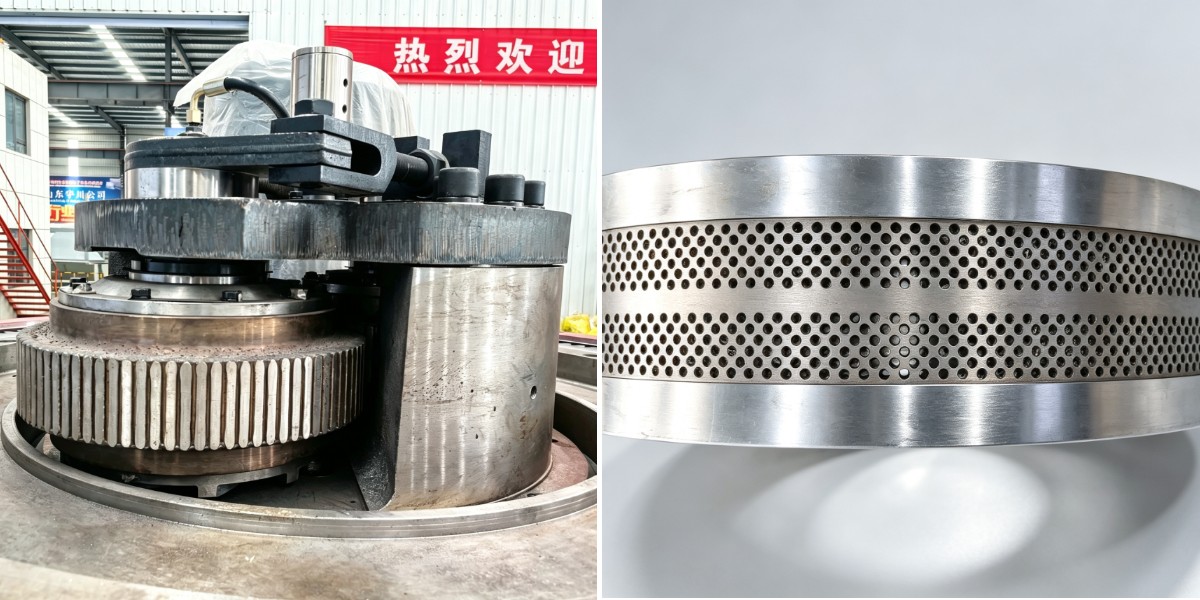 6. How to Build a More Stable Biomass Pellet Production Line?
A stable pellet production line is not determined by the pellet machine alone. Consistent production depends on the coordination of multiple processing stages.
A typical system may include:
1. Crushing
Reduce large materials such as cotton stalks and straw to a suitable particle size.
2. Drying
Remove excess moisture according to the actual raw material condition.
3. Pelletizing
Compress the prepared biomass into pellets.
4. Cooling
Reduce the temperature of freshly formed pellets and improve their suitability for storage and packing.
5. Screening
Separate fines and undersized pellets to improve finished product quality.
6. Packing
Pack the finished pellets according to transportation and market requirements.
This modular approach can be adjusted according to different raw material conditions and production capacities, making it suitable for customized biomass pellet projects in international markets.