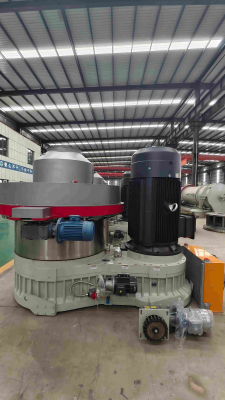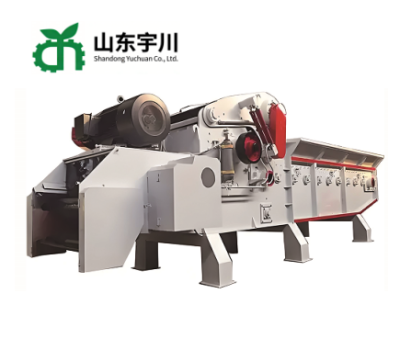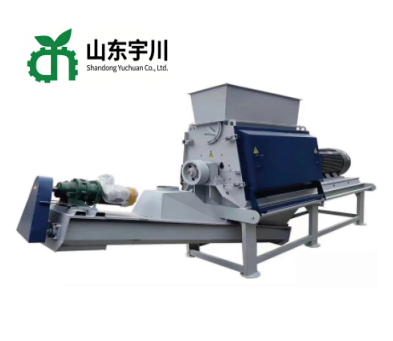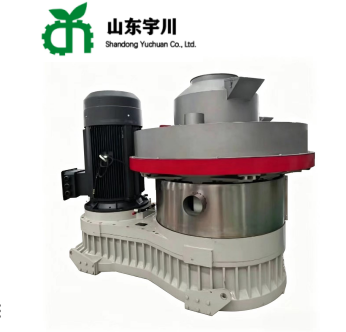
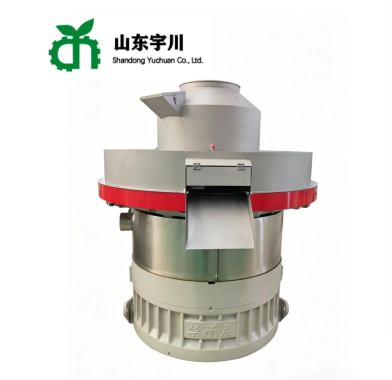
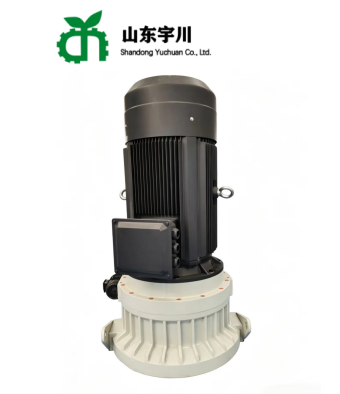
Cotton Stalk Pellet Machine
Wide Raw Material Compatibility
Suitable for cotton stalks, straw, rice straw, and other agricultural biomass materials.
Stable Pellet Forming
An optimized pressing structure helps produce uniform and consistently dense pellets.
Cost-Effective Operation
Compact design and easy maintenance make it suitable for continuous production.
Wide Applications
Finished pellets can be used as biomass fuel, boiler fuel, and renewable energy feedstock.
Product Overview
The Cotton Stalk Pellet Machine is designed to process cotton stalks, cotton residues, and other agricultural biomass wastes into dense biomass fuel pellets. After necessary pretreatment such as crushing, drying, and conditioning, the material is compressed through mechanical force to form uniform and easy-to-handle pellets.
Why Pelletize Cotton Stalks?
Cotton stalks are widely available in cotton-growing regions and are often generated in large quantities during harvest seasons. Traditional open storage requires considerable space, while direct burning is not always an efficient way to utilize this biomass resource.
Pelletizing transforms loose cotton stalk residues into more standardized solid biomass fuel with several advantages:
Higher bulk density and reduced storage requirements;
Easier mechanical handling, transportation, and packing;
More uniform pellet size for automated combustion systems;
Higher commercial value of agricultural residues;
Flexible blending with other biomass materials.
Key Advantages
Designed for Agricultural Biomass
The Cotton Stalk Pellet Machine is suitable for cotton stalks and can also process straw, rice straw, corn stalks, peanut shells, and other biomass materials, providing greater flexibility for different markets.
Stable Pellet Formation
An optimized compression structure and pelletizing process help produce biomass pellets with consistent density and size while reducing loose material and excessive fines.
Efficient Biomass Utilization
Converting low-density cotton stalks into denser pellets improves material handling and transportation while increasing the practical utilization of agricultural residues.
Suitable for Continuous Production
The machine can be equipped with suitable feeding, conveying, and downstream processing systems for both small-to-medium projects and larger-scale biomass fuel production.
Customized Pelletizing Solutions
The production solution can be customized according to cotton stalk moisture content, particle size, required capacity, and desired pellet specifications, covering crushing, drying, pelletizing, cooling, and screening.
Applications
Cotton stalk pellets produced by the Cotton Stalk Pellet Machine can be used in a variety of biomass utilization scenarios.
Biomass Fuel
Cotton stalk pellets can serve as solid fuel for biomass boilers, industrial heating systems, and other biomass combustion applications.
Renewable Energy Projects
Pelletizing agricultural residues provides a practical approach for converting biomass waste into standardized renewable fuel.
Biomass Fuel Plants
In cotton-producing regions, commercial pellet plants can convert seasonal agricultural residues into storable and marketable biomass fuel.
Mixed Biomass Fuel
Cotton stalks can also be blended with sawdust, rice husks, straw, and other biomass materials according to specific fuel requirements.
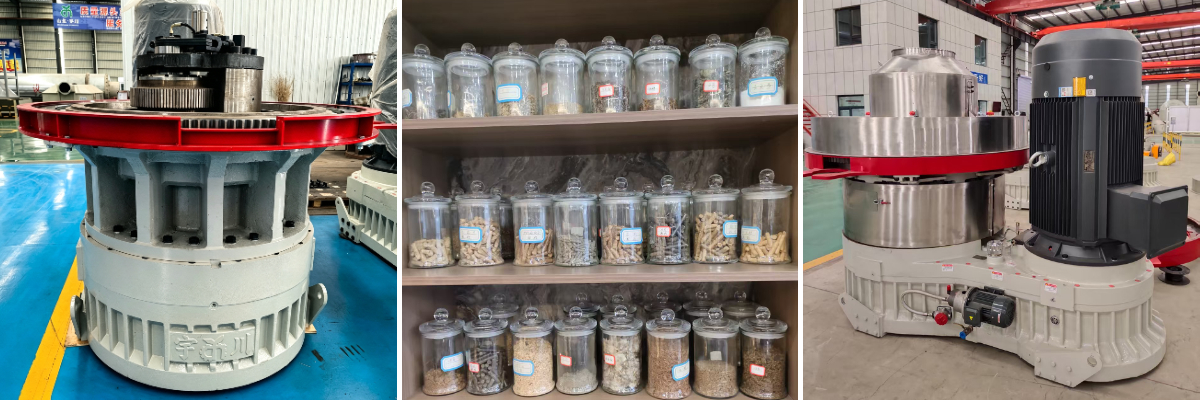
How to Choose the Right Cotton Stalk Pellet Machine?
Choosing a pellet machine should involve more than comparing equipment prices. The following factors should be evaluated:
Raw material moisture content
Particle size after crushing
Required production capacity
Desired pellet diameter
Daily operating hours
Required level of automation
Local power and heat source conditions
The moisture content and fibrous characteristics of cotton stalks can significantly affect pellet formation. Therefore, raw material testing and process evaluation are recommended before selecting the final equipment configuration.
Frequently Asked Questions
1. Can the machine process other biomass materials?
Yes. Besides cotton stalks, the machine can be configured for various biomass materials such as straw, rice straw, corn stalks, sawdust, and peanut shells, depending on material characteristics.
2. Does cotton stalk need to be dried before pelletizing?
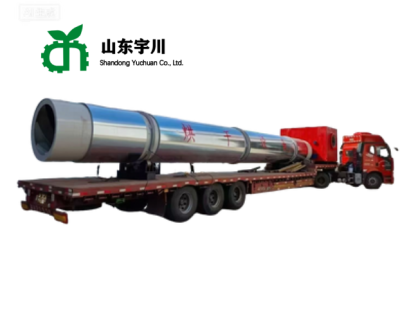
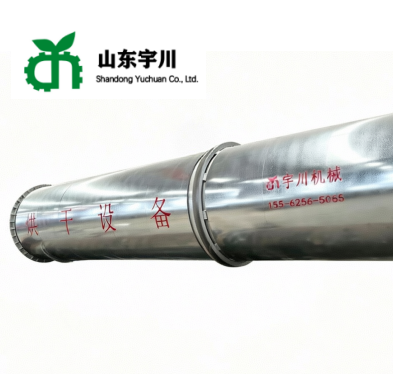
It depends on the initial moisture content. If the raw material contains excessive moisture, a biomass dryer may be required before pelletizing to achieve better forming performance.
3. Can Yuchuan provide a complete production line?
Yes. A complete solution can include crushing, drying, pelletizing, cooling, screening, conveying, and packing equipment.
4. How can the right machine be selected?
The appropriate model depends on raw material properties, moisture content, required capacity, pellet size, and project requirements. Yuchuan can recommend a suitable configuration after evaluating these parameters.