How to Reduce Drying Costs for High-Moisture Biomass? Yuchuan Energy-Efficient Drying Solutions for Global Buyers
As the global biomass energy industry continues to develop, materials such as wood chips, sawdust, straw, rice husks, bagasse, and palm kernel shells are increasingly used in biomass fuel production, pellet manufacturing, and resource recovery projects. However, excessive moisture remains a major challenge for many overseas processors, affecting both production efficiency and operating costs.
When raw materials contain excessive moisture, more thermal energy is required for drying. High moisture can also lead to unstable conveying, material blockage, pelletizing difficulties, and fluctuations in final product quality. As a result, reducing energy consumption while maintaining effective drying has become a major consideration for overseas buyers selecting Biomass Drying Equipment.
Yuchuan continues to optimize energy-efficient drying equipment and supporting systems for high-moisture biomass materials. Based on material characteristics, processing capacity, and target moisture content, Yuchuan provides overseas customers with practical industrial drying solutions.
Why Does High Moisture Increase Processing Costs?
The moisture content of wood chips, sawdust, and agricultural residues can vary depending on season, storage conditions, and source. In humid climates, raw materials may absorb additional moisture during transportation or outdoor storage.
Excessive moisture means that the drying system must remove more water, increasing thermal energy requirements. When drying efficiency is inadequate, processors may face higher fuel consumption, reduced throughput, and longer production cycles.
Therefore, reducing specific drying energy consumption and improving heat utilization are important objectives for large-scale Biomass Dryer projects.
How Can an Energy-Efficient Dryer Reduce Operating Costs?
Efficient drying is not simply a matter of increasing hot-air temperature. It requires coordinated optimization of the heat source, heat transfer, material conveying, and overall system configuration.
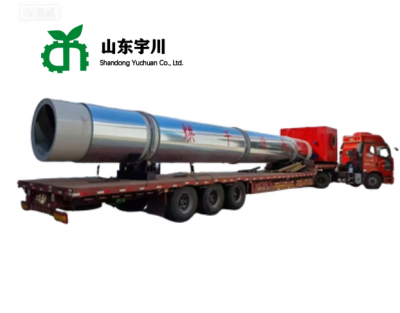
When designing Biomass Drying Equipment, Yuchuan considers material characteristics and project requirements to develop a suitable drying process. By optimizing contact between hot air and materials, the system can improve heat utilization so that more thermal energy is used for moisture evaporation rather than unnecessary heat loss.
A suitable internal structure and material conveying method can also improve material dispersion and reduce localized over-drying or under-drying, resulting in more consistent final moisture levels.
Selecting the Right Drying Solution for Different Biomass Materials
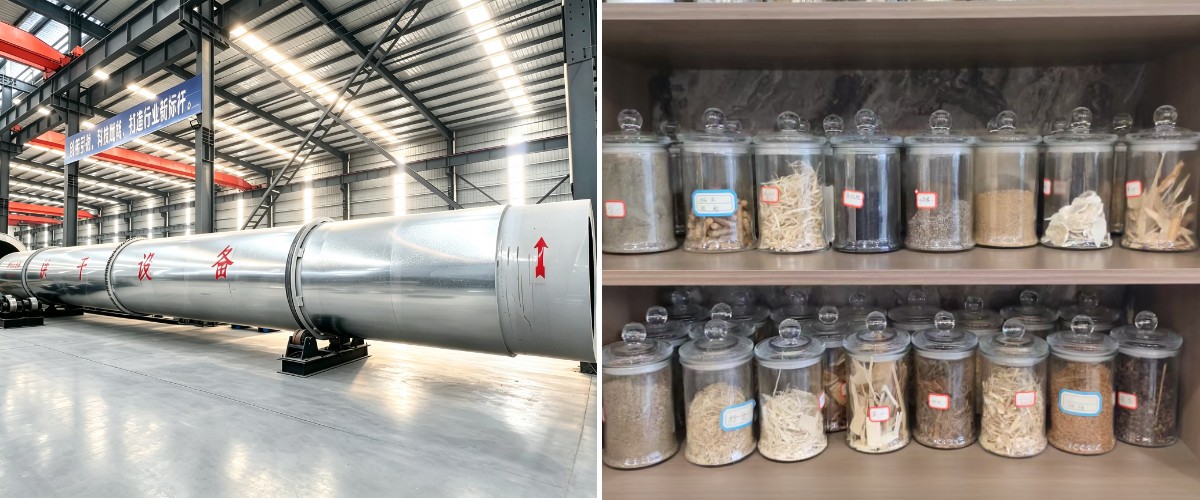
Biomass materials differ significantly in form, density, initial moisture content, and final application. Therefore, the same drying configuration cannot be applied universally.
Wood Chips
Wood chips generally have a relatively large particle size and may contain substantial internal moisture. For wood-processing companies, a Wood Chip Dryer can reduce moisture and create more stable conditions for subsequent crushing, pelletizing, or fuel utilization.
Sawdust
Sawdust has a small particle size and relatively large surface area. A suitable Sawdust Dryer needs to balance drying efficiency with smooth material conveying while reducing the risk of sticking and accumulation.
Straw and Agricultural Residues
Straw, rice husks, bagasse, and other agricultural residues are widely available, but their moisture levels and fibrous characteristics can vary considerably. Proper pretreatment and drying can prepare these materials for efficient fuel pellet production.
From a Single Dryer to an Integrated Energy-Efficient System
For medium- and large-scale overseas projects, focusing only on the dryer itself is often insufficient. The heat source, conveying system, dust collection equipment, and electrical control system can all influence overall operating efficiency.
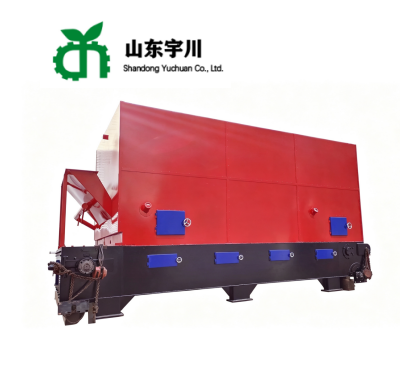
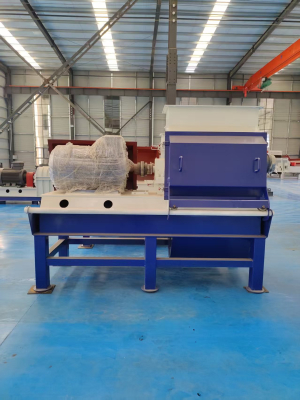
Yuchuan can integrate the Biomass Dryer with suitable auxiliary equipment to build a complete industrial drying system according to project requirements.
For large-scale wood chip or sawdust processing projects, systems for raw material conveying, drying, heat supply, dust collection, and finished-product conveying can be configured according to capacity requirements, allowing continuous operation between different stages.
This integrated approach helps improve production stability while making plant layout and future maintenance easier for overseas customers.
How Does Yuchuan Customize Drying Solutions for Overseas Buyers?
Biomass materials vary widely, and project objectives can also differ significantly. During solution design, Yuchuan focuses on key factors such as:
Raw Material Type
Whether the customer processes wood chips, sawdust, straw, or other agricultural residues.
Initial Moisture Content
Determines the moisture load that the drying system must remove.
Production Capacity
Directly affects equipment specifications and overall system configuration.
Target Moisture Content
Determines the required drying level for downstream processing.
Site Conditions
Includes plant space, available heat source, power supply, and equipment layout.
By evaluating these parameters together, it is possible to reduce mismatches between equipment and actual production needs and create a more suitable drying solution for overseas customers.