Peanut Shell Pellet Mill: A Sustainable Solution for Biomass Pellet Production
Industry Background: Growing Demand for Agricultural Biomass Recycling
As global attention on renewable energy, low-carbon development, and the sustainable use of agriculture continues to grow, biomass pellet production has become a key area of development in the international energy market. Agricultural waste such as peanut shells, rice husks, and crop straw is being transformed from traditional waste into renewable resources with economic value.
In line with industry trends, the global biomass pellet market is continuing to expand, driven primarily by growing demand for clean energy and environmental policies. An increasing number of countries are encouraging the use of agricultural waste to produce heating fuel, industrial energy, and biomass energy. In this market environment, the **Peanut Shell Pellet Mill** has become an essential piece of equipment for converting peanut shells into high-density biomass pellets.
Peanut shells are abundant, renewable, and have a high organic matter content, making them ideal raw materials for pellet fuel production.
What Is a Peanut Shell Pellet Mill?
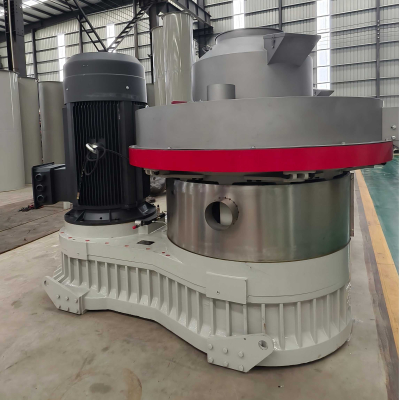
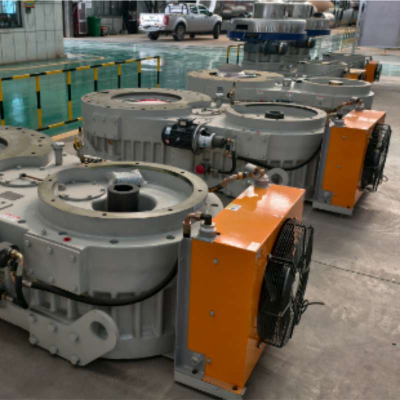
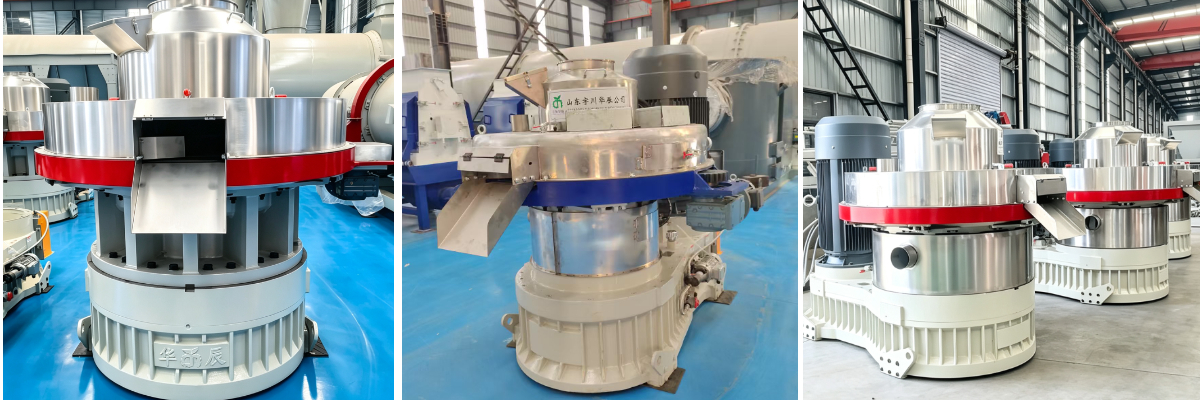
Peanut Shell Pellet Mill is a piece of equipment specifically designed to compress agricultural waste, such as peanut shells, into pellets. The machine uses mechanical pressure generated between the press rollers and the die to process loose peanut shell feedstock into high-density cylindrical pellets. These pellets offer advantages such as high density, high combustion efficiency, ease of transportation, and stable storage.
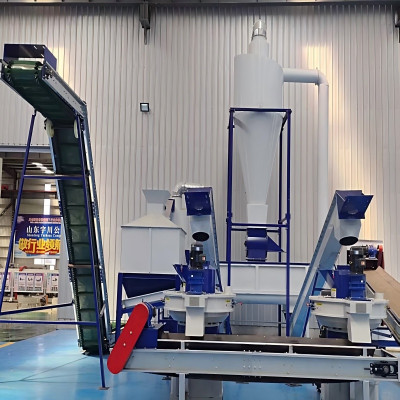
Depending on the customer’s production needs, the Peanut Shell Pellet Mill can be integrated with crushing, drying, conveying, cooling, and packaging equipment to form a complete biomass pellet production line.
Manufacturing Process of Peanut Shell Pellets
The production process of a Peanut Shell Pellet Mill system usually includes several key steps:
1. Raw Material Preparation
Peanut shells are collected, cleaned, and processed to remove impurities.
2. Crushing and Drying
Crush the larger peanut shells to the appropriate particle size and dry them to remove moisture, thereby improving pelletization efficiency.
3. Pelletizing Process
The prepared material enters the Peanut Shell Pellet Mill, where rollers compress the material through the die holes to form pellets.
4. Cooling and Packaging
Finished pellets are cooled, screened, and packed for storage or transportation.
Market Trends and Future Development
The increasing demand for renewable energy and circular economy solutions is expected to drive further growth in biomass pellet equipment. More agricultural companies are investing in Peanut Shell Pellet Mill technology to reduce waste disposal costs and develop new revenue streams.
Future Peanut Shell Pellet Mill systems are expected to focus on higher automation, improved energy efficiency, intelligent control systems, and customized production solutions. These improvements will help global buyers achieve more efficient biomass processing.
Choose the Right Peanut Shell Pellet Mill Partner
As global demand for renewable biomass solutions continues to rise, the Peanut Shell Pellet Mill provides an effective way to transform agricultural waste into valuable energy resources. With advanced technology, reliable performance, and flexible production options, it is an ideal investment for biomass fuel producers and agricultural processing companies.
If you are looking for a high-quality Peanut Shell Pellet Mill solution, contact our professional team today for customized equipment recommendations, technical support, and complete biomass pellet production solutions.