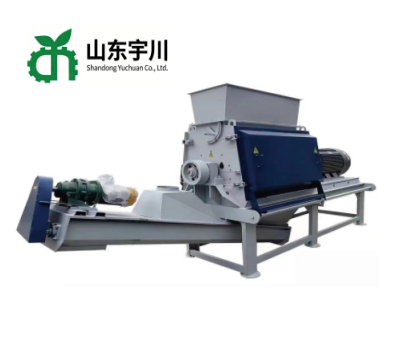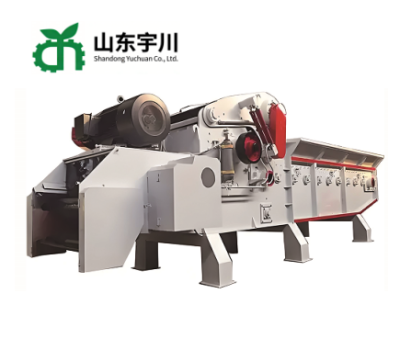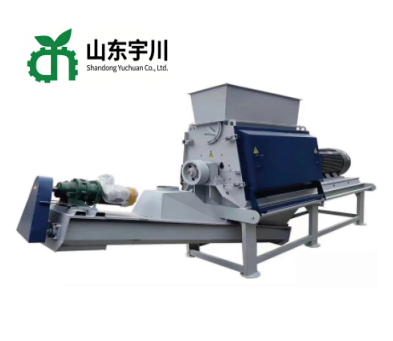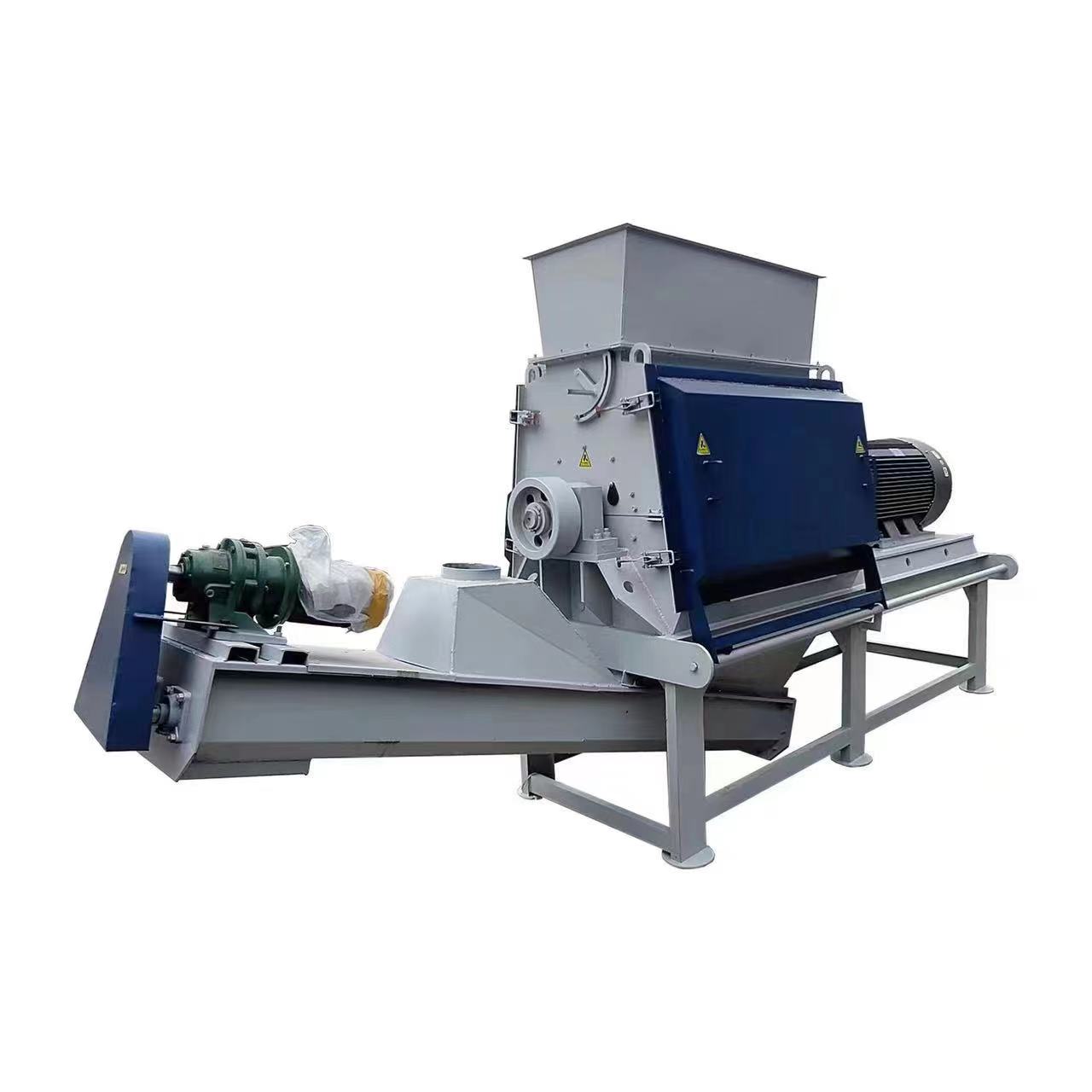
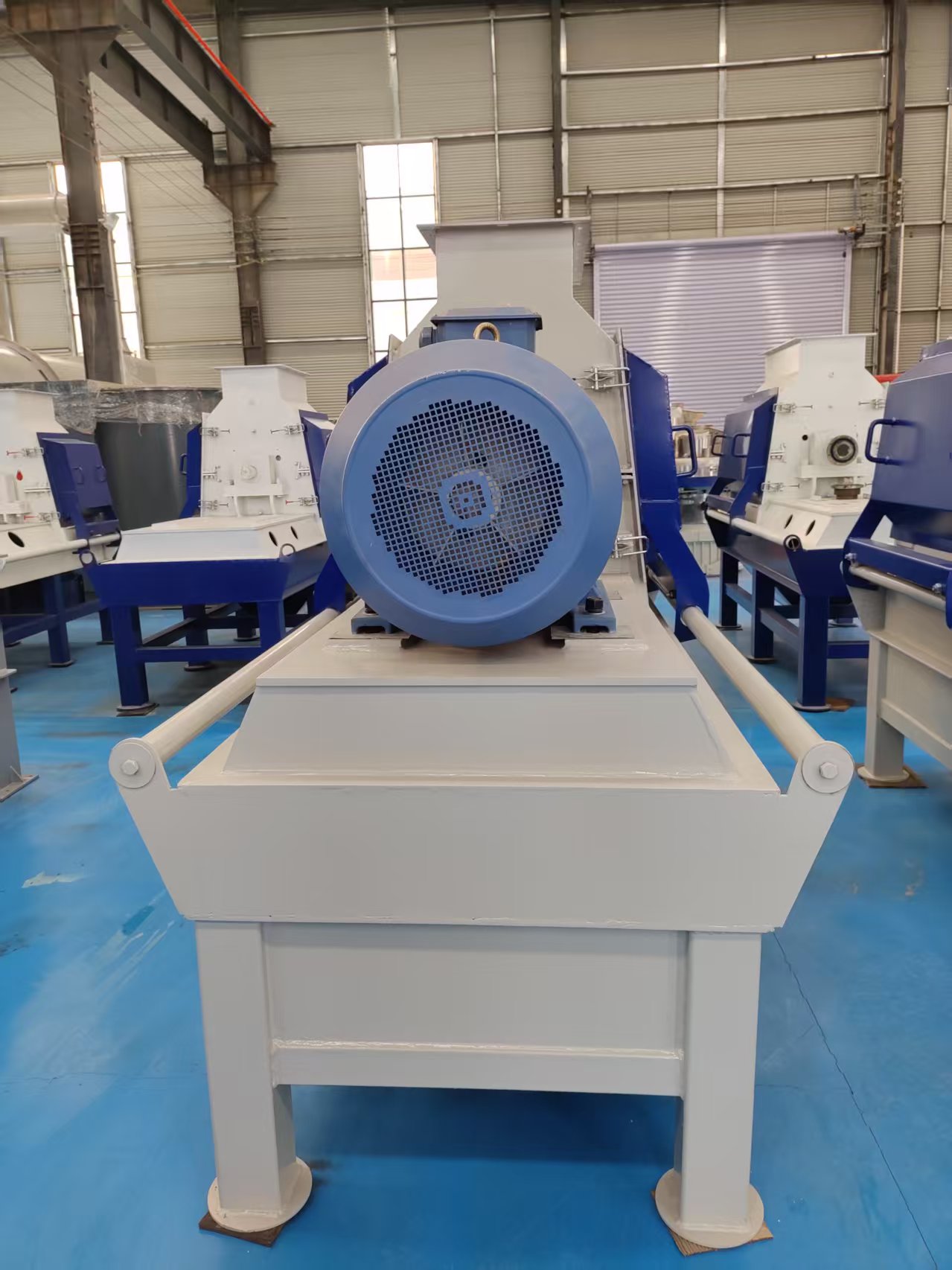
Straw Hammer Mill
Wide Material Compatibility
Suitable for crushing various biomass materials, including crop stalks, rice straw, wheat straw, corn cobs, wood chips, and other agricultural waste.
Uniform Particle Size
Adopts a hammer mill structure with adjustable crushing fineness, providing consistent particle size for biomass pellet production.
High Efficiency & Low Energy Consumption
Offers stable performance, high crushing capacity, and energy-saving operation, making it ideal for integration into biomass processing lines.
Durable & Wear-Resistant Design
Built with a heavy-duty steel body and alloy hammer blades for excellent durability, longer service life, and easy maintenance.
Safe and Easy Operation
The enclosed feeding system reduces dust and noise, ensuring safer operation and a cleaner working environment.
I. Straw Hammer Mill: efficient processing, better resource use
Strong capacity: Handle tons of straw hourly, far outperforming manual work, ideal for large-scale processing.
Wide application: Work with dry or moderately humid straw, adapting to diverse environments.
Resource reuse: Turn waste straw into biomass power, organic fertilizer, feed additives, etc.
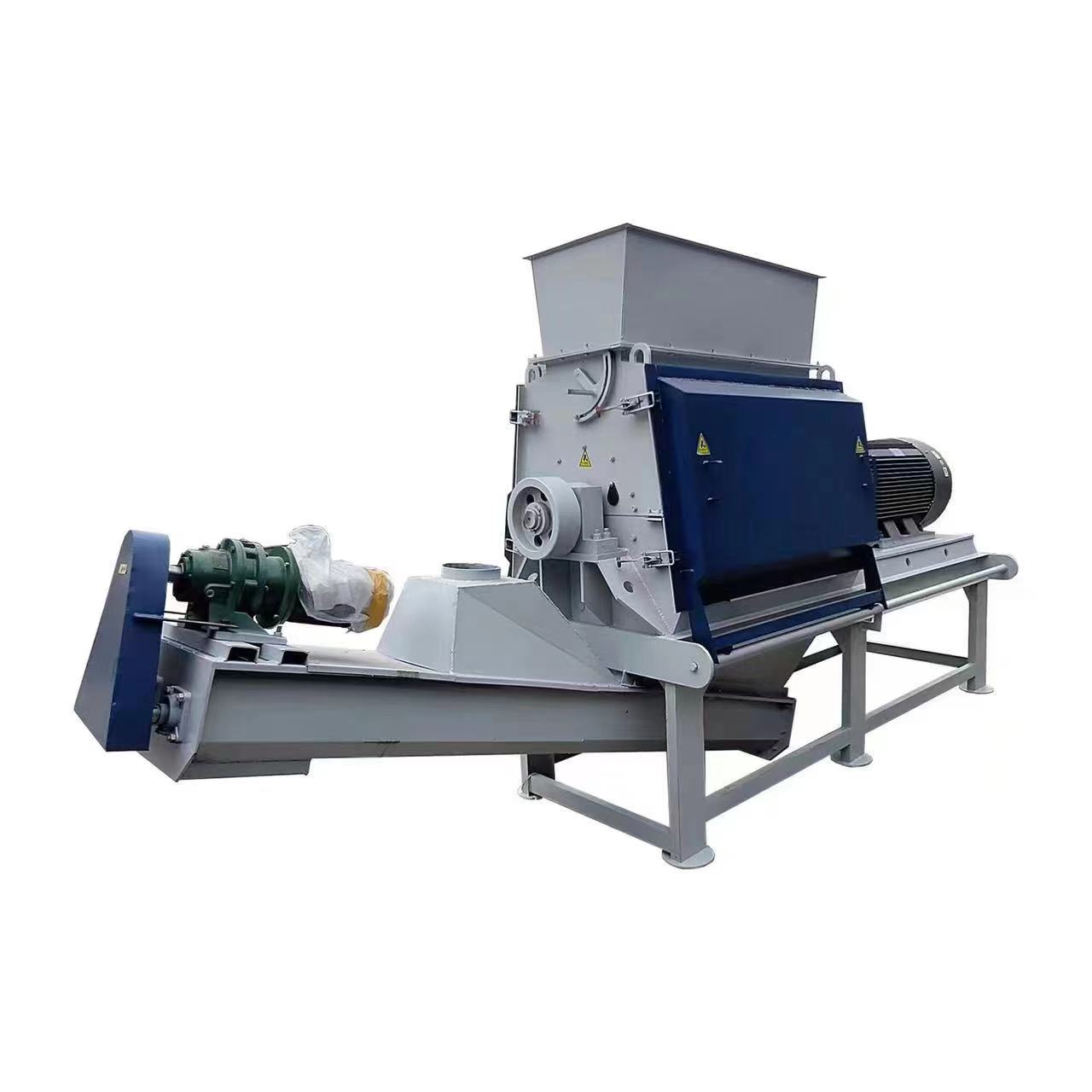
II. Straw Hammer Mill: easy to operate, adaptable to scenarios
Flexible mobility: Mobile models reach fields directly, cutting transport costs and time.
Simple operation: High automation, easy control panel use, no complex training needed.
Tough for complex environments: Solid structure, stable in outdoor, dusty, or temperature-varying conditions.
III. Straw Hammer Mill: controllable crushing, meeting diverse needs
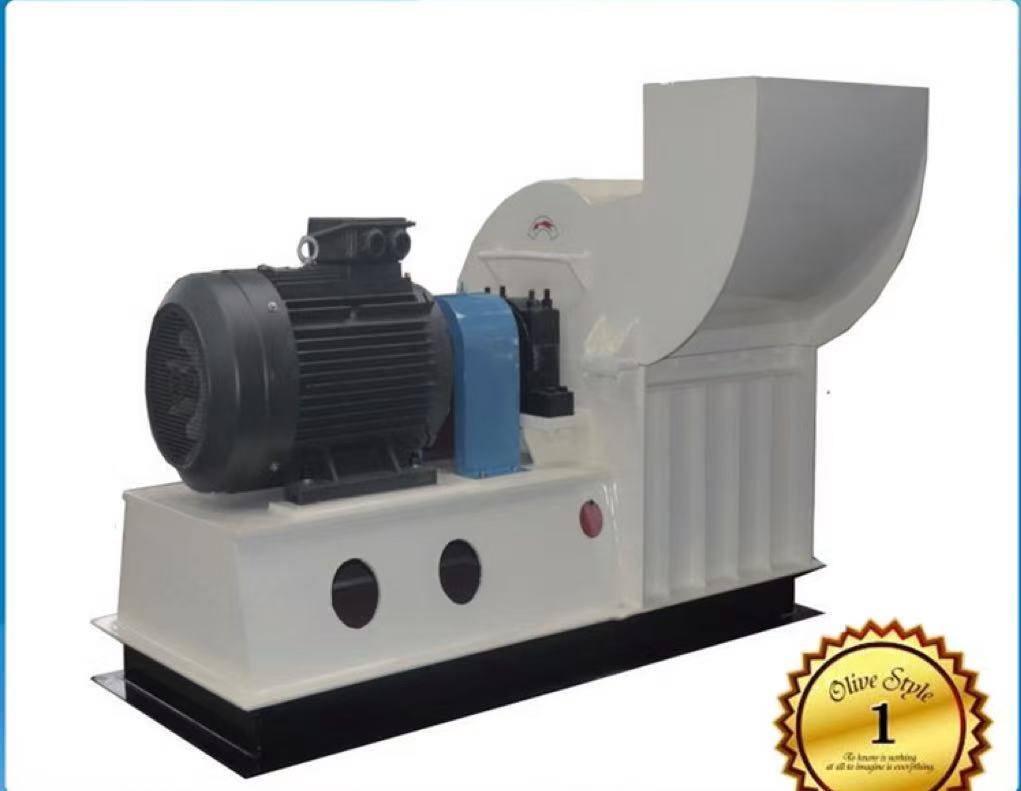
Adjustable particle size: Control via screen replacement or cutter gap adjustment – fine for biomass pellets, medium for feed, coarse for farmland cover, etc.
Pure materials: Some models have impurity removers to separate soil, stones, boosting value.
IV. Straw Hammer Mill: energy-saving, eco-friendly, aligned with green trends
Low energy use: Optimized systems, efficient work with low unit energy consumption.
Less pollution: Replace incineration, cut harmful emissions and garbage accumulation.
Aid ecological cycle: As biomass, form carbon cycles, reducing fossil fuel use.
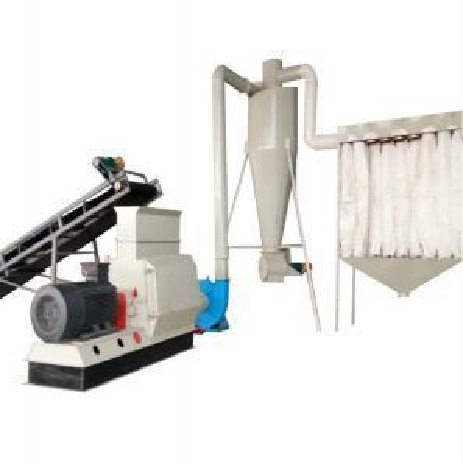
V. Straw Hammer Mill: cost-effective, lowering overall costs
Good value: Multiple specs, reasonable prices, long life with proper maintenance.
Lower processing costs: Self-crushing reduces expenses; recovered materials bring extra income.
Easy maintenance: Key parts easy to replace, low upkeep costs, short downtime.
Frequently Asked Questions (FAQ)
Q1: What types of materials is this crusher primarily designed to process?
A: It is primarily suited for biomass materials, such as wood chips, branches, straw, corn cobs, peanut shells, fruit tree branches, and bamboo shavings. It can also be used to crush certain feed ingredients and chemical raw materials, and serves as the core upstream equipment in a biomass pellet production line.
Q2: Can the particle size of the crushed material be adjusted?
A: Yes. By replacing screens with different mesh sizes, you can control the output particle size to meet the requirements of various applications, such as pelletizer feed and feed processing.
Q3: How do I choose the right model for my needs?
A: Focus on three key factors:
Raw material type: Hardwoods (e.g., oak) require higher power; softwoods and straw can use standard power models;
Target output: Select a model based on production line requirements (e.g., 1 ton/hour, 5 tons/hour);
Supporting Equipment: Capacity must align with downstream dryers and pelletizers to avoid “overkill” or production bottlenecks.
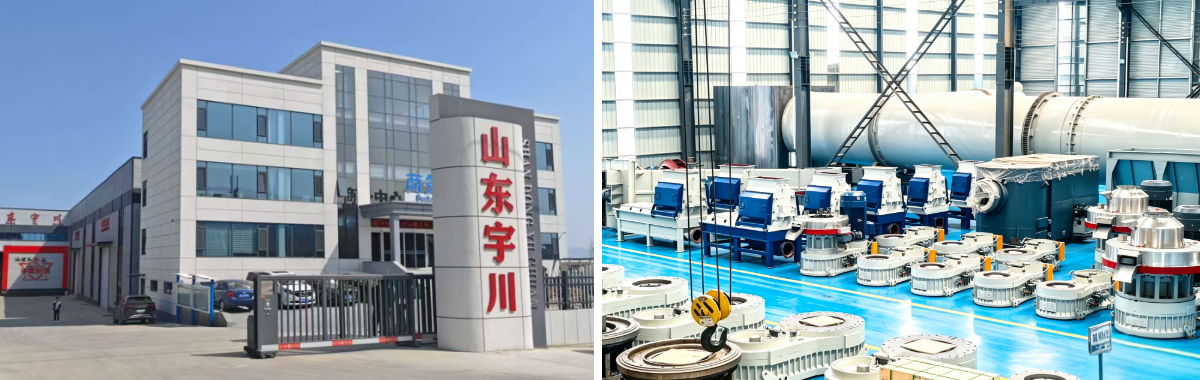
Our Factory
Shandong Yuchuan is a professional manufacturer specializing in biomass pellet equipment, drying equipment, and complete production line solutions. With advanced manufacturing technology, strict quality control, and rich industry experience, Yuchuan provides efficient, energy-saving, and customized solutions for global customers. Our products are widely used in biomass energy, agricultural waste processing, and industrial drying fields.