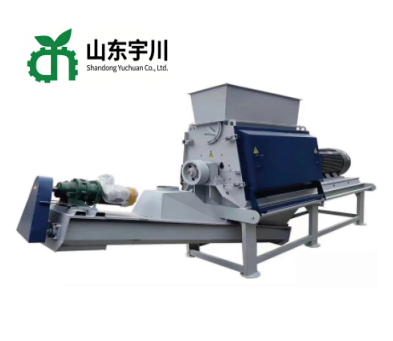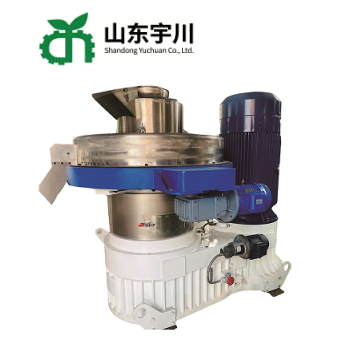
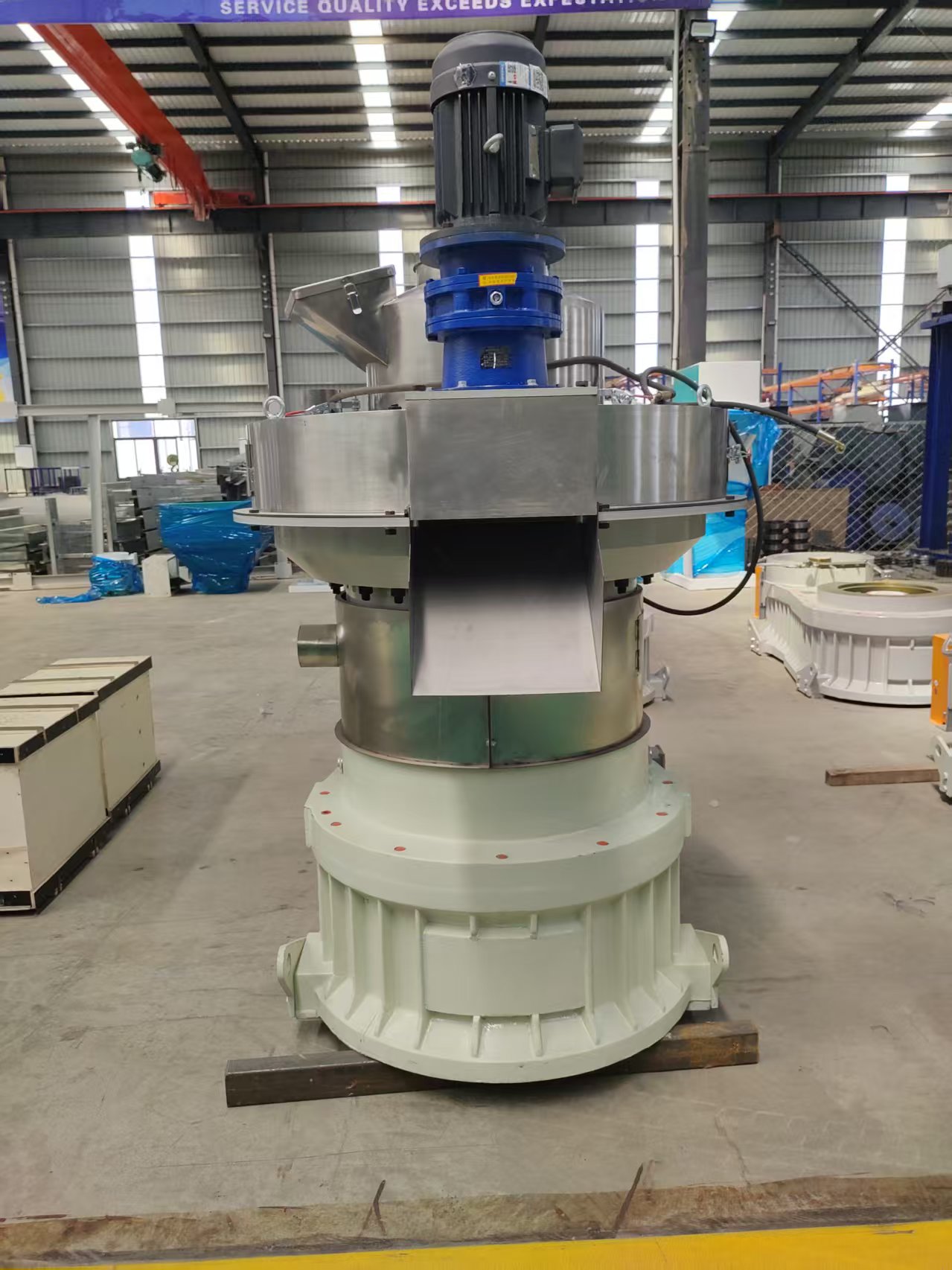
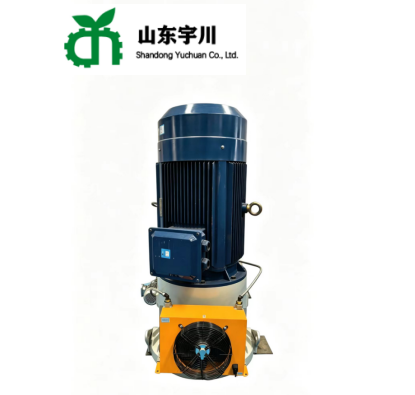
Rice Husk Pellet Machine As Biofuel
Environmental Protection:
Converting waste rice husks into clean, renewable fuel reduces reliance on fossil fuels and minimizes environmental pollution.
High Efficiency and Cost-Effectiveness:
Significantly reduces raw material volume, lowering storage and transportation costs; the produced pellet fuel has high calorific value and strong market demand.
Durable and Reliable:
Manufactured using high-quality materials and advanced technology to ensure long-term stable operation of the equipment and low maintenance costs.
User-Friendly Operation:
Multiple machine models are equipped with semi-automatic or fully automatic control systems, making operation simple and effectively reducing labor costs.
Our rice husk pelletizer is a specialized piece of equipment designed to convert agricultural waste into high-density biofuel, offering customers a one-stop green energy solution. Its core advantages are as follows:
Delivering remarkable environmental and social benefits
This machine converts abundant yet difficult-to-process rice husk waste into clean, renewable high-grade solid fuel. It effectively solves environmental pollution caused by open straw burning, greatly cuts carbon emissions and supports global carbon neutrality targets. The equipment enables full resource utilization of agricultural waste and brings new eco-friendly value to rice husk residues.
Significant economic value and cost advantages
Cost reduction: Through high-pressure densification, the volume of loose rice husks is reduced by nearly 10 times, greatly reducing subsequent storage space requirements and long-distance transportation costs.
Revenue increase: The produced pellet fuel has high calorific value, burns completely, is easy to store and trade, and can be directly used in boilers, fireplaces, and other heating equipment, enabling you to convert waste into high-value commodities and open up new profit growth points.
Robust and Reliable Industrial-Grade Design
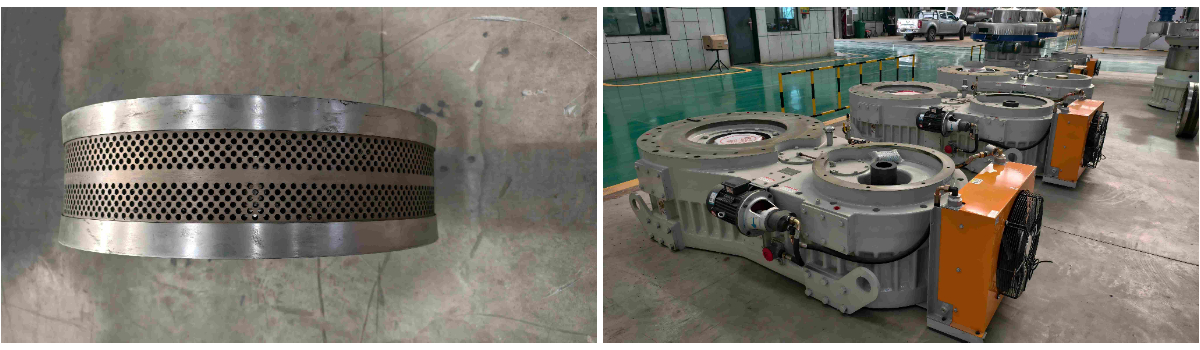
Core components such as ring dies and rollers are made from high-quality materials, ensuring wear resistance and corrosion resistance with an extremely long service life. The machine features a compact structure, smooth transmission, and is designed to withstand prolonged continuous high-load operation, resulting in low failure rates and ensuring a solid return on investment.
Highly automated and user-friendly operation
We offer multiple models ranging from semi-automatic to fully automatic. The advanced control system integrates intelligent monitoring and overload protection functions, with an intuitive interface. Only 1-2 operators are required to manage the entire production line, significantly reducing reliance on skilled labor and labor costs.
Wide Raw Material Adaptability and High Forming Rate
This equipment is not only suitable for rice husks but also for various biomass raw materials such as wood chips, straw, and peanut shells, demonstrating strong adaptability. The unique mold design and pre-compression technology ensure an extremely high forming rate and particle density, resulting in uniform, smooth particles with stable quality.
Technical Specifications of Rice Husk Pellet Machine
Modle | YC-560 | YC-700 | YC-850 | YC-850 |
Main motor power | 132KW | 160KW | 250KW | 280KW |
Yield | 1.5-2T | 2-2.5T | 3.5T | 4T |
FAQ
Q1: What is rice husk pellet fuel?
A: Rice husk pellet fuel is a clean biomass biofuel made by compressing crushed rice husks under high pressure using a rice husk pellet machine. Without any chemical additives, it features high density, stable calorific value, low ash content and convenient storage and transportation, serving as an eco-friendly substitute for coal.
Q2: Can raw rice husks be directly processed by the pellet machine?
A: Normally, raw rice husks cannot be pelleted directly. Appropriate crushing and moisture adjustment are required. The ideal moisture content of rice husk raw materials is 12%–18% to guarantee stable pellet forming and high finished product quality.
Q3: What are the advantages of rice husk pellets as biofuel?
A: As renewable biofuel, rice husk pellets help reuse agricultural waste. They greatly reduce open burning pollution of rice husks and straw, cut carbon emissions, and support carbon neutrality. Compared with fossil fuels, they produce less sulfur and nitrogen oxides during combustion and cause fewer air pollution issues.
Q4: What supporting equipment does a complete rice husk pellet production line need?
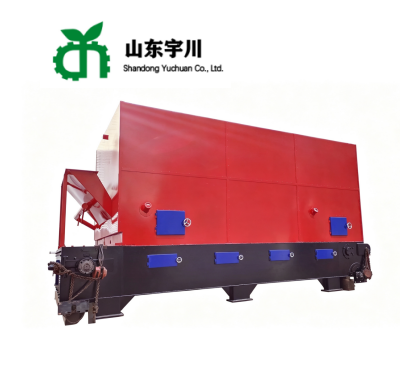
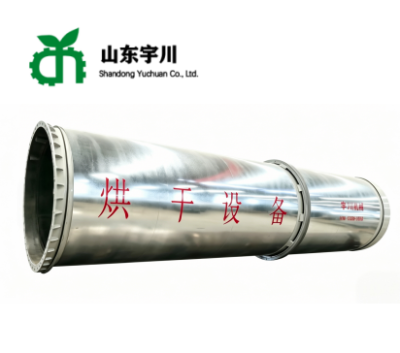
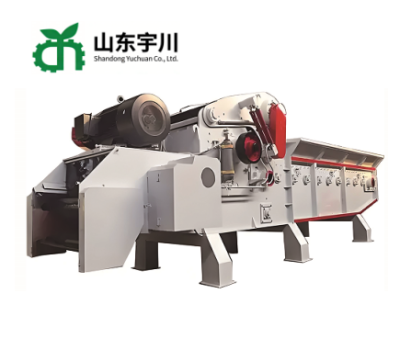
A: A full production line usually includes a crusher, dryer, pellet mill, cooler and packaging machine. Small-scale users can choose standalone rice husk pellet machines for simple, low-investment production.
Q5: Where can rice husk pellets be used as biofuel?
A: Rice husk biofuel pellets are widely used in biomass boilers, power plants, industrial furnaces, poultry heating equipment and civil heating stoves. They are suitable for factories, farms, heating centers and biomass power generation projects.
Q6: Is rice husk pellet production profitable?
A: Rice husk is low-cost agricultural waste and easy to access in rice-producing areas. After processing into high-value biofuel pellets, products have stable market demand from factories and energy suppliers. Profitability depends on raw material cost, local fuel prices and production scale.
Q7: Do rice husk pellets produce much ash after combustion?
A: Rice husk pellets contain a certain amount of silicon, resulting in slightly more ash than wood pellets. However, ash can be recycled as organic silicon fertilizer, realizing comprehensive resource recycling.Q8: What factors affect the service life of the rice husk pellet machine?
Q8: What factors affect the service life of the rice husk pellet machine?
A: Raw material moisture, feeding uniformity, regular lubrication and daily maintenance directly influence equipment lifespan. Rice husk contains hard silicon components; regular inspection and replacement of ring dies and rollers are necessary.
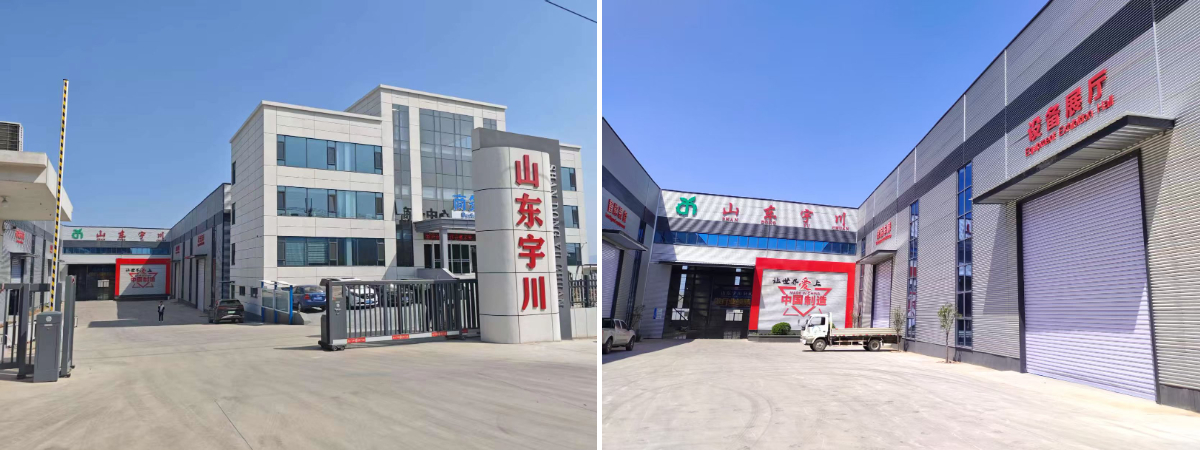
Our Factory