Wide Application Scenarios Drive Booming Demand for leaf pelletizer in Global Biomass Market
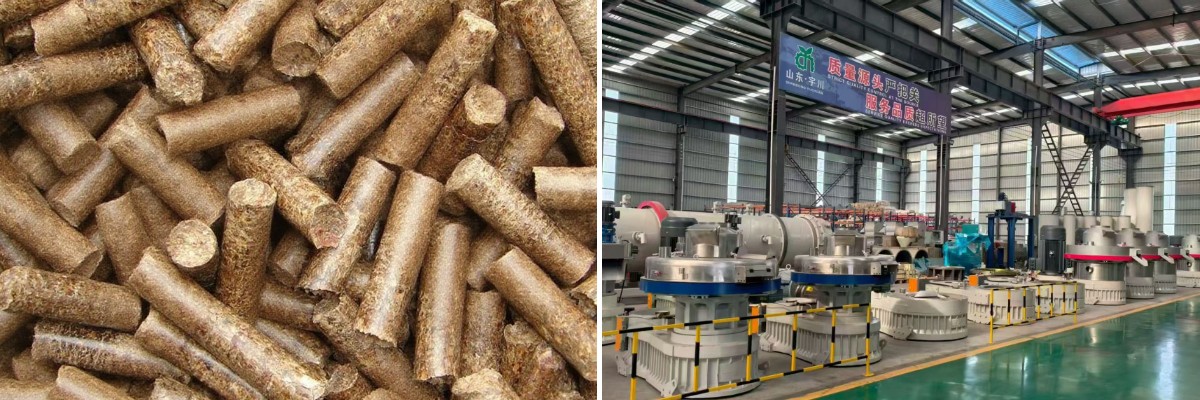
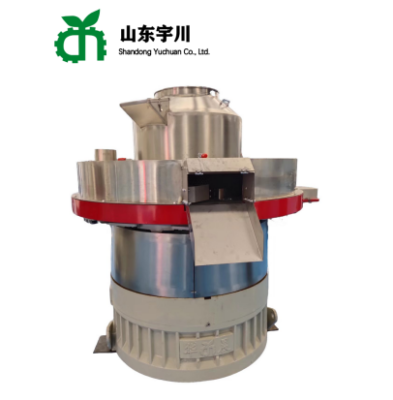
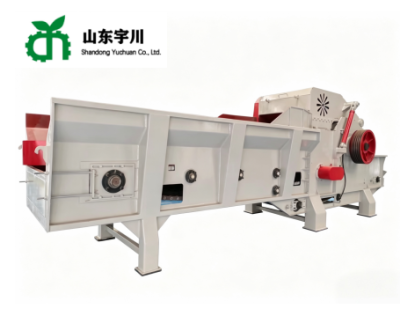
Amid the global trend toward biomass energy utilization and the development of the green environmental protection industry, the recycling of agricultural and forestry waste has become a key priority for many countries. A leaf pelletizer is a specialized piece of biomass processing equipment that converts raw materials such as fallen leaves, branches, and landscaping waste into high-density biomass pellet fuel through processes including crushing, compression, and molding. This equipment is easy to operate, offers stable performance, and has strong adaptability to various raw materials. It is currently widely used across multiple industries and scenarios worldwide, serving as a core piece of equipment in the fields of waste resource recovery and clean energy substitution.
I. Forestry and Landscaping Waste Treatment Scenarios
Every autumn and winter, urban parks, residential communities, scenic areas, and forest farms generate large amounts of fallen leaves, pruned branches, withered shrubs, and various types of green waste. Traditional disposal methods such as landfilling and incineration not only consume land resources and cause air pollution but also result in severe waste of biomass resources.
The leaf pelletizer can process various loose leaf materials on-site into uniformly sized solid pellets, achieving the reduction, centralized storage, and resource recovery of landscaping waste. This effectively solves the leaf waste disposal challenges faced by urban greening departments and property management companies while complying with environmental emission standards for urban waste treatment.
II. Biomass Energy Power Generation and Heating Industry
Leaf biomass pellets offer the advantages of high calorific value, low ash content, low sulfur content, and clean combustion, making them a high-quality clean energy source that can replace traditional coal. Currently, many countries in Europe, Southeast Asia, and Africa have widely adopted leaf pellets in applications such as biomass power plants, industrial boiler heating, and commercial heating centers.
By equipping their facilities with leaf pellet machines, enterprises can leverage abundant local forest and leaf resources to achieve localized production of fuel pellets. This significantly reduces fuel procurement costs, replaces fossil fuels, and reduces carbon emissions, aligning with global “dual carbon” strategies and sustainable development trends.
III. Applications in the Livestock and Poultry Farming Industry
Leaf pellets processed by specialized equipment can serve as supplementary bedding material for various livestock and poultry farms, including cattle, sheep, poultry, and swine. Leaf pellets are dry, breathable, mold-resistant, and deodorizing. They optimize the farming environment, reduce the likelihood of disease in livestock and poultry, and effectively absorb odors and moisture from manure during the farming process.
Additionally, after simple fermentation, leaf pellets can be mixed with feed as a roughage supplement for herbivorous livestock and poultry. This enables the dual utilization of leaf waste in both bedding and feed additives, generating additional economic benefits for farms.
IV. Organic Fertilizer Production
Leaves are rich in organic matter, nitrogen, phosphorus, potassium, and various trace elements, making them an excellent raw material for organic fertilizer production. By using a leaf pelletizer to compress crushed leaves into granular base fertilizer, followed by subsequent processes such as fermentation, maturation, and formulation, high-quality ecological organic fertilizer can be produced.
This type of leaf-based organic fertilizer is widely applicable in scenarios such as field cultivation, greenhouse vegetables, fruit tree planting, and ecological nurseries. It improves soil structure, enhances soil fertility, and reduces the use of chemical fertilizers, thereby supporting the development of green ecological agriculture and the organic farming industry.
V. Domestic Fuel Applications
In rural areas and remote mountainous regions worldwide, firewood and coal remain the primary fuels for daily cooking and heating. Raw fallen leaves are loose in texture, difficult to store, and have extremely low combustion efficiency. In contrast, leaf pellets processed by a leaf pelletizer are convenient to store and transport, burn completely, produce minimal smoke, and are odorless, making them ideal for daily household needs.
They serve as a high-quality, clean fuel for rural households, rural guesthouses, and country villas, effectively addressing the challenges of fuel scarcity and high combustion pollution in rural areas, and driving the transition to cleaner energy in rural living.
VI. Raw Material Supply for Biomass Processing Enterprises
Numerous biomass processing enterprises require pellets of consistent specifications as raw materials for the production of value-added products such as biochar, biomass feed, and industrial additives. Leaf pelletizers can mass-produce standardized leaf pellets with uniform particle size and stable density, providing compliant raw materials for downstream processing plants. This model establishes a complete industrial chain encompassing leaf waste collection, pellet formation, and deep processing, driving the coordinated development of upstream and downstream industries.
Conclusion
As countries worldwide continue to place greater emphasis on the environmental protection industry, the circular economy, and biomass-based renewable energy, the application scope of leaf pelletizers is constantly expanding. It has evolved from the simple processing of landscaping waste to encompass multiple fields such as energy utilization, livestock and poultry farming, organic fertilizer production, and residential fuel. This equipment not only resolves the environmental pollution issues caused by leaf waste but also transforms waste into valuable resources, generating significant economic value.
As a low-investment, high-return environmental protection device, the leaf pelletizer holds vast development prospects in global markets such as Southeast Asia, Africa, and Europe, and will continue to contribute to the sustainable development of the global biomass circular economy in the future.