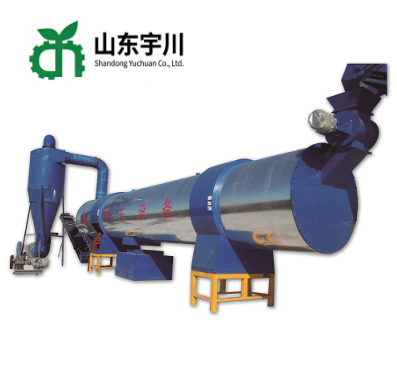
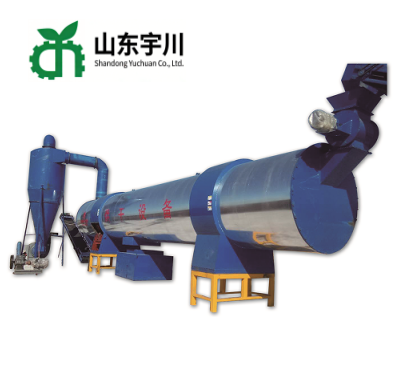
Biomass Feed Pellet Production Line Drives Global Green Feed Industry Upgrade
Efficient Utilization of Agricultural Resources Through Biomass Feed Pellet Production Line
With the large-scale development of the global livestock industry and the growing emphasis on environmentally friendly agricultural production, the high-value utilization of biomass resources has become a key development direction for the feed processing industry. Producing pellet feed using renewable raw materials such as crop straw, forage, grain byproducts, cassava pulp, soybean meal, and corn cobs not only reduces feed production costs but also effectively minimizes agricultural waste.
Against this backdrop, the **Biomass Feed Pellet Production Line** has gradually emerged as a modern processing solution attracting significant attention in the international market. Through continuous processes such as crushing, drying, pelletizing, cooling, screening, and packaging, this production line transforms loose biomass raw materials into high-density feed pellets that are easy to store and transport, providing efficient solutions for livestock farms, feed mills, and agricultural processing enterprises.
Key Advantages of Biomass Feed Pellet Production Line
1. Higher Value of Agricultural Waste
Large amounts of agricultural residues are generated every year. Through a Biomass Feed Pellet Production Line, these materials can be converted into valuable feed products, supporting sustainable agriculture.
2. Lower Feed Production Costs
Pellet feed offers advantages such as easy transportation, low material loss, and long storage life. Producers can utilize local biomass resources to reduce raw material expenses.
3. Improved Animal Feeding Performance
Pellet processing reduces dust, improves feed uniformity, and minimizes selective feeding behavior. It is suitable for poultry, cattle, sheep, and other livestock industries.
4. Energy Saving and Environment-Friendly Production
Modern Biomass Feed Pellet Production Line adopts efficient motors, optimized transmission systems, and intelligent controls to reduce energy consumption and support green manufacturing.
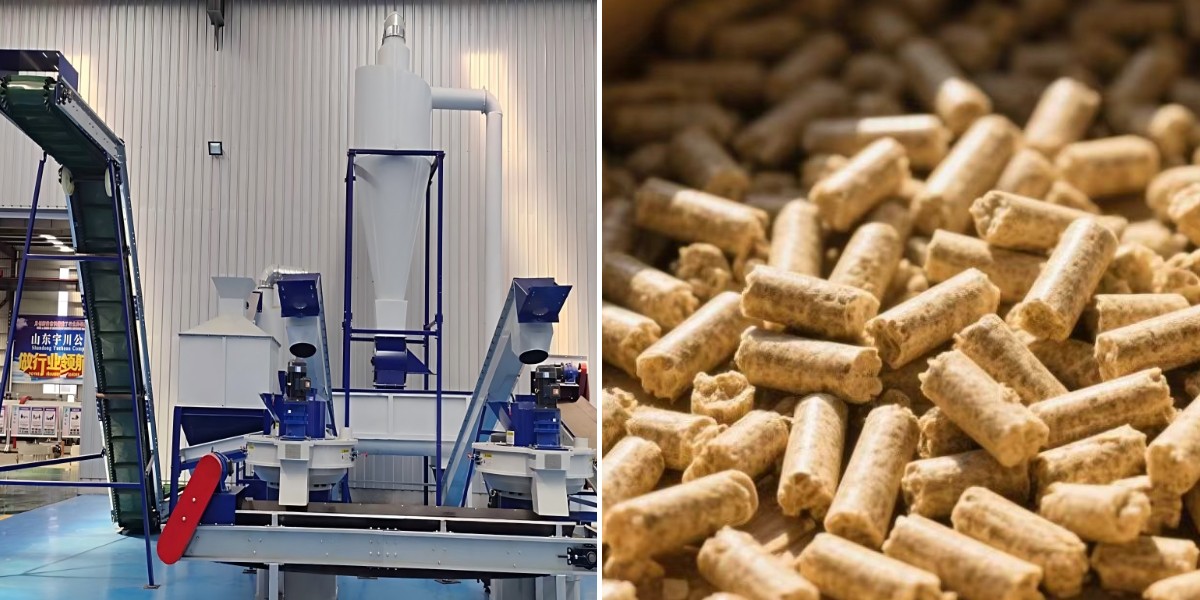
Wide Applications of Biomass Feed Pellet Production Line
Livestock Farming
Large farms can produce customized pellet feed for poultry, cattle, sheep, and other animals to ensure stable feed supply.
Feed Manufacturing Plants
Professional feed companies can install automated Biomass Feed Pellet Production Line systems to increase production capacity and improve market competitiveness.
Agricultural Cooperatives
Agricultural organizations can process local biomass resources and create additional economic value through resource recycling.
Future Trends: Automation and Customization
The future of biomass feed pellet processing will focus on automation, intelligent management, and customized solutions.
Digital control systems, real-time monitoring technology, and smart production management will improve efficiency and reliability. Meanwhile, customized Biomass Feed Pellet Production Linesolutions based on local raw materials and production requirements will become increasingly important in international markets.
For global buyers, investing in a reliable Biomass Feed Pellet Production Line means building a sustainable, efficient, and profitable feed production system.
Frequently Asked Questions (FAQ)
Q1: What raw materials can be processed by a Biomass Feed Pellet Production Line?
A: It can process various agricultural and biomass materials, including straw, rice husk, corn stalks, grass, sawdust, and grain by-products.
Q2: Can the production capacity be customized?
A: Yes. The production line can be designed according to raw material characteristics, factory size, and required output.
Q3: Are biomass feed pellets suitable for international markets?
A: Yes. Pellet feed features high density, convenient transportation, and stable storage performance, making it suitable for global feed applications.