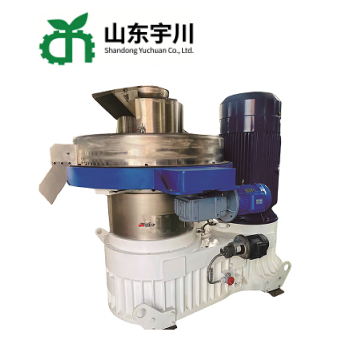
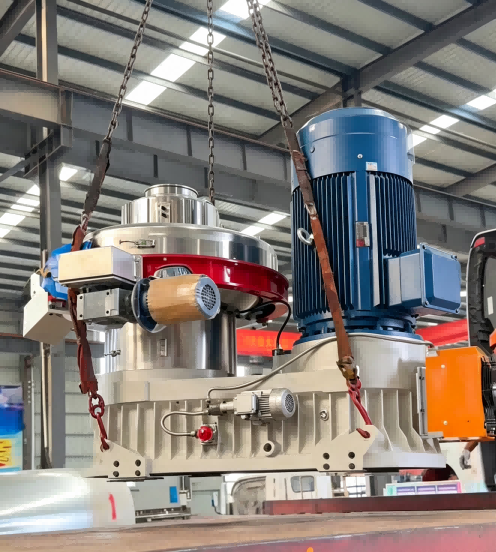
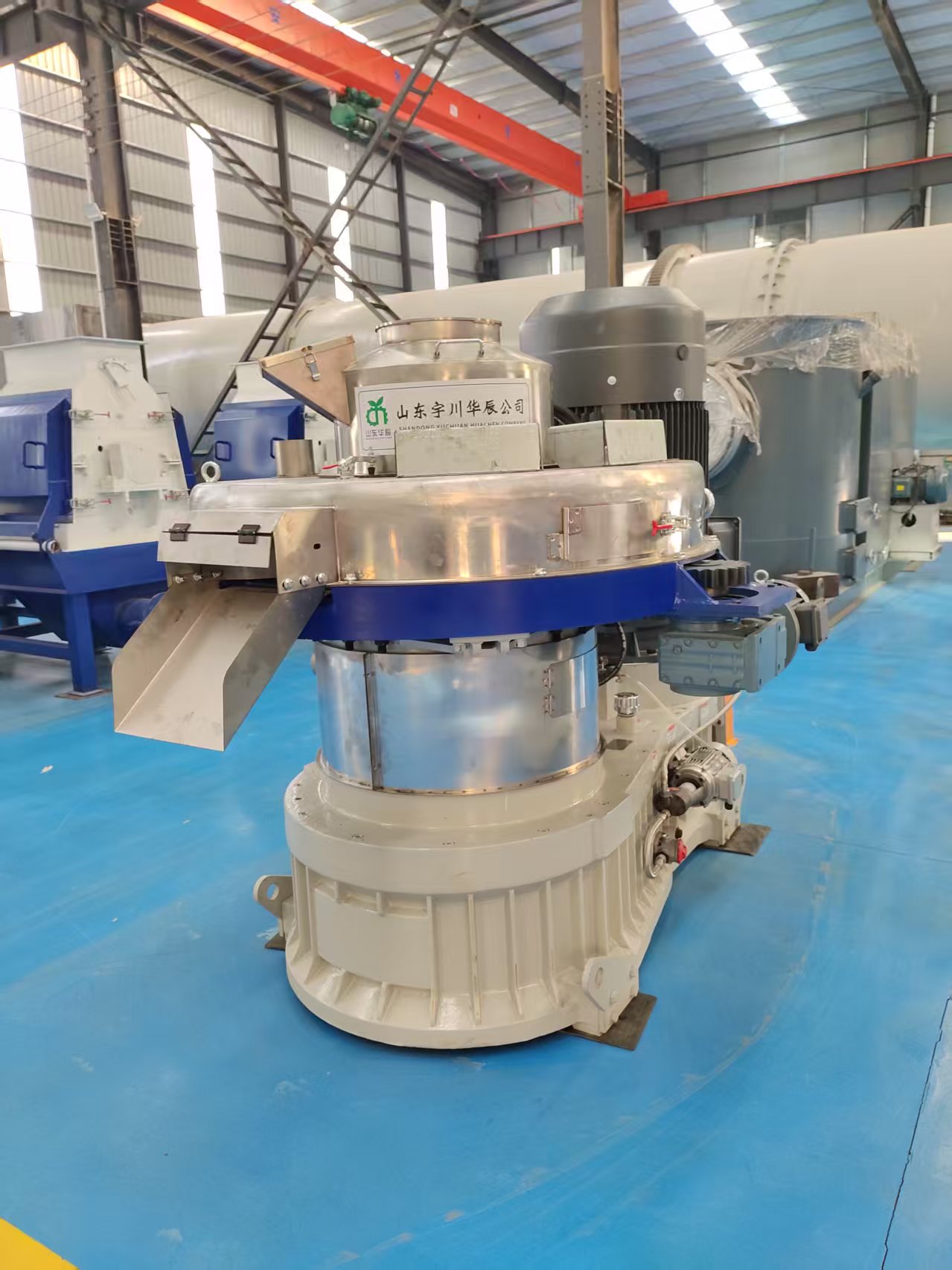
Alfalfa Pellet Machine
Suitable for alfalfa hay, various forage, wheat straw and crop residues
High forming rate, compact pellets, low breakage rate
Stable continuous production, low power consumption
High hardness wear-resistant die, long service life
Easy operation, convenient daily maintenance, fewer faults
Finished pellets easy to store, transport and feed livestock
Adjustable pellet size to meet different breeding demands
Introduction
Alfalfa is known as the king of forage, rich in crude protein and crude fiber, widely used for cattle, sheep, rabbits and other ruminants. Loose alfalfa hay easily causes waste during storage and transportation. The Alfalfa Pellet Machine uses mechanical high-pressure extrusion to compress crushed alfalfa raw materials into uniform solid pellets, solving multiple pain points of bulk hay.
Working Principle
After crushing, screening and moisture adjustment, alfalfa materials enter the pelleting chamber of the Alfalfa Pellet Machine. Under the continuous squeezing of roller and die, raw materials pass through die holes to form cylindrical alfalfa pellets. We specially optimize the die hole structure for fibrous alfalfa to reduce blocking and improve molding durability.
Core Advantages
Targeted design for high-fiber alfalfa hay, compatible with mixed materials such as wheat straw, forage and crop residues.
High forming rate, low powder and breakage rate; finished pellets keep intact in long-distance transport.
Optimized transmission system, lower energy consumption, supports long-time continuous stable running of the Alfalfa Pellet Machine.
Wear-resistant alloy die and pressure roller, strong anti-abrasion performance, extend spare parts service life.
The particle diameter is adjustable to accommodate the feeding standards of different livestock and poultry breeds and farms of various sizes;
The machine features a simple design, making daily lubrication and maintenance convenient and reducing losses from downtime and production stoppages;
Raw Materials & Application Scope
Main raw material: fresh dried alfalfa hay, dehydrated alfalfa grass. Auxiliary materials: ryegrass, wheat straw, peanut vine, corn stalk and other agricultural forage. Finished alfalfa pellets apply to cattle, dairy cows, sheep, goats, rabbits, camels and other ruminant breeding. Many feed manufacturers also adopt the Alfalfa Pellet Machine to produce commercial forage pellets for global wholesale.
Economic Benefits of Producing Alfalfa Pellets
Compared with loose hay, alfalfa pellets reduce storage space by more than 60% and greatly cut logistics cost. Pelleted feed improves animal digestion absorption rate and lowers feed waste. Farmers and pellet manufacturers can process self-produced alfalfa into high-value pellets and increase profit margin. Choosing a reliable Alfalfa Pellet Machine is the key to stable long-term production.
Supporting Production Line Matching Scheme
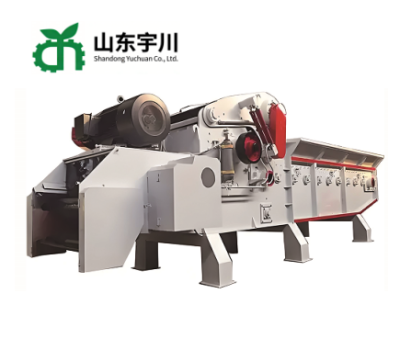
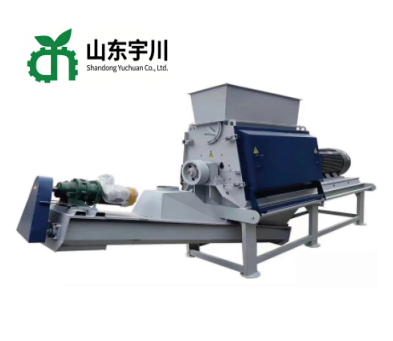
We can supply a standalone alfalfa pelletizer, or provide a complete pellet production line, including a crusher, grinder, dryer, conveying equipment, cooler, and packaging machine. Based on the moisture content of the customer’s raw materials, hourly production capacity, and local power supply conditions, our engineers will customize a production line layout plan for the alfalfa pellet plant.
Technical Specifications of Alfalfa Pellet Machine
Modle | YC-560 | YC-700 | YC-850 | YC-850 |
Main motor power | 132KW | 160KW | 250KW | 280KW |
Yield | 1.5-2T | 2-2.5T | 3.5T | 4T |
Frequently Asked Questions (FAQ)
Q1: What moisture content is suitable for alfalfa pelleting?
A: The optimal moisture is 12%–15%. Too dry leads to many broken pellets; too wet easily causes mold and blocking on the Alfalfa Pellet Machine.
Q2: Flat die or ring die for alfalfa production?
A: Flat die suits capacity below 1t/h for private farms. Ring die works better for continuous mass production over 1t/h commercial factory.
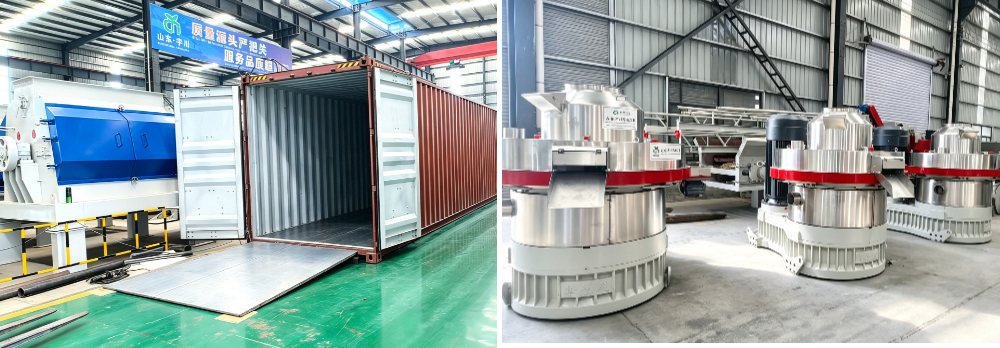
Shipment of the Pellet Production Line
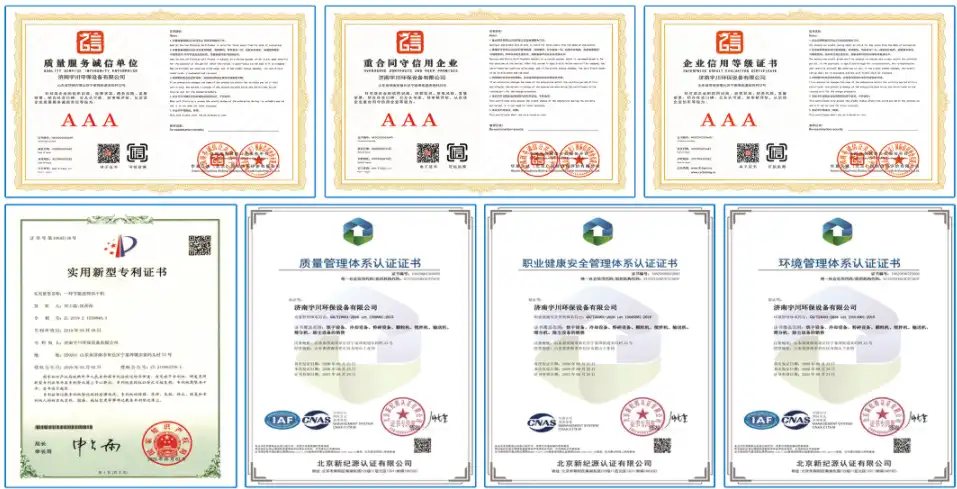
Qualifications and Honors