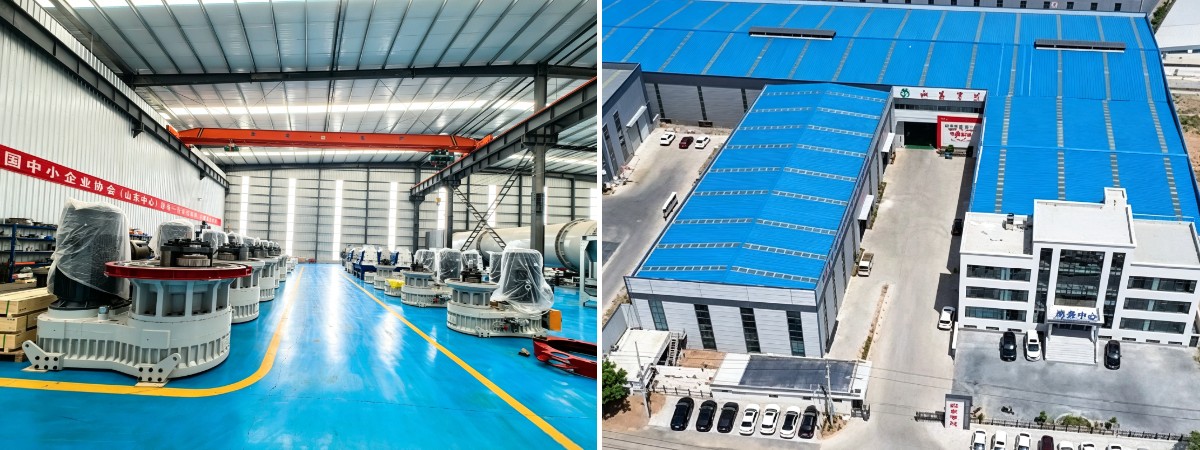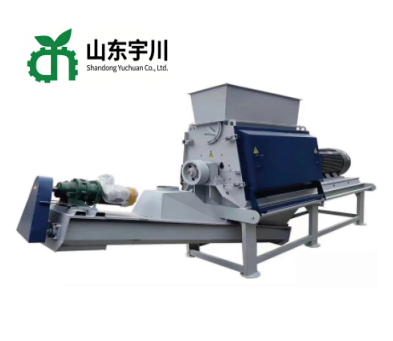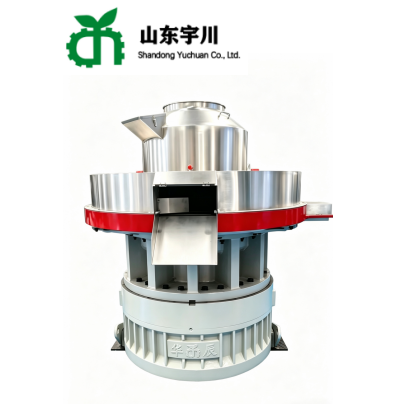
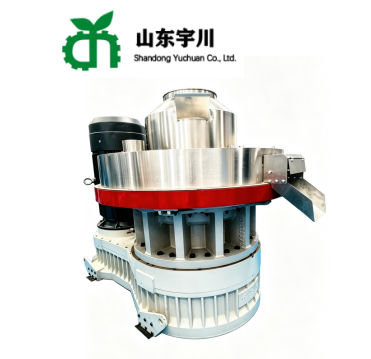
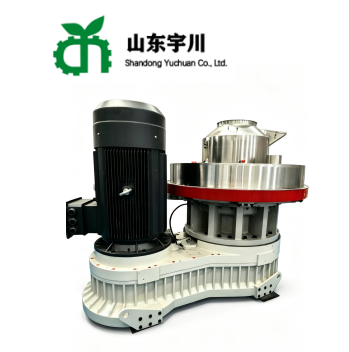
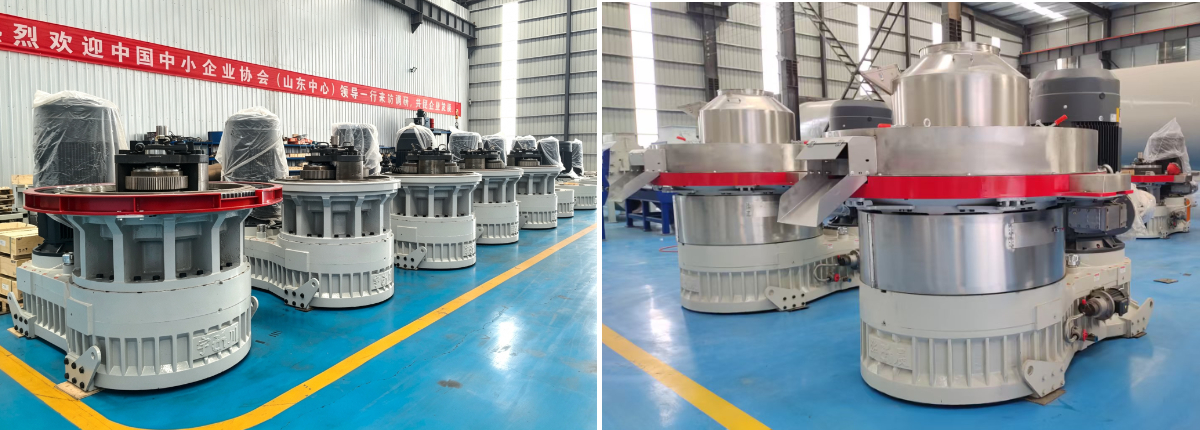
Biomass Fuel Pellet Machine
High-Efficiency Pelletizing
Converts sawdust, straw, rice husks, and other biomass waste into high-density fuel pellets.
Stable Pellet Quality
Produces dense and uniform pellets for easy storage, transportation, and combustion.
Wide Material Compatibility
Suitable for a wide range of agricultural and forestry biomass materials.
Energy Saving
Optimized pelletizing and transmission systems help reduce energy consumption.
Reliable Operation
Durable construction supports stable and continuous operation.
Turn Biomass Waste into Valuable Solid Fuel
With the increasing demand for renewable and cost-effective energy, biomass waste is becoming an important alternative fuel resource. Sawdust, wood chips, straw, rice husks, corn stalks, bagasse, and other agricultural or forestry residues can be converted into compact biomass fuel pellets through mechanical compression.
The Biomass Fuel Pellet Machine is designed to transform loose biomass materials into dense, uniform, and easy-to-handle fuel pellets. Instead of treating agricultural and forestry residues as waste, the machine provides a practical way to convert them into a marketable solid fuel.
Why Pelletize Biomass Fuel?
Loose biomass materials often have low bulk density. This creates challenges during transportation, storage, feeding, and combustion.
Pelletizing changes the physical form of the material. After compression, biomass fuel pellets are easier to handle and can provide more consistent feeding for boilers, biomass burners, industrial heating systems, and other biomass energy applications.
The main advantages include:
Higher bulk density
More uniform particle size
Easier transportation
More convenient storage
Stable feeding performance
Better suitability for automated combustion systems
Suitable Raw Materials
The Biomass Fuel Pellet Machine can process various types of biomass materials, depending on their characteristics and moisture content.
Common raw materials include:
Forestry Biomass
Sawdust
Wood chips
Wood shavings
Bark
Forestry residues
Agricultural Residues
Straw
Rice husks
Corn stalks
Corn cobs
Peanut shells
Sunflower husks
Industrial Biomass By-Products
Sugarcane bagasse
Coconut residues
Biomass processing waste
Different materials have different fiber structures, moisture levels, and pelletizing characteristics. Therefore, the equipment configuration and production process can be adjusted according to the customer's specific raw material.
Moisture Control Is the Key to Pellet Quality
One of the most important factors affecting biomass pellet production is raw material moisture.
If the material is too wet, pellet formation can become unstable and may increase energy consumption. If the material is excessively dry, the bonding performance during compression may also be affected.
For this reason, a complete biomass fuel pellet production process commonly includes a drying section before pelletizing.
A typical production process is:
Raw Material → Crushing → Drying → Pelletizing → Cooling → Screening → Packing
For raw materials with suitable moisture content and particle size, some processing stages may be simplified.
Yuchuan can configure the production line according to the raw material, initial moisture, required capacity, pellet diameter, and final fuel requirements.
High-Density Pellets for Easier Handling
Loose biomass occupies considerable storage and transportation space. Pelletizing compresses the material into a more compact form, making it easier to handle in commercial and industrial applications.
The finished biomass fuel pellets can generally be stored in bags, bulk containers, silos, or other suitable storage systems.
Uniform pellet dimensions also help improve feeding consistency, which is particularly important for automated biomass boilers and industrial heating equipment.
Designed for Continuous Biomass Fuel Production
For commercial biomass fuel manufacturers, equipment stability is as important as pelletizing capacity.
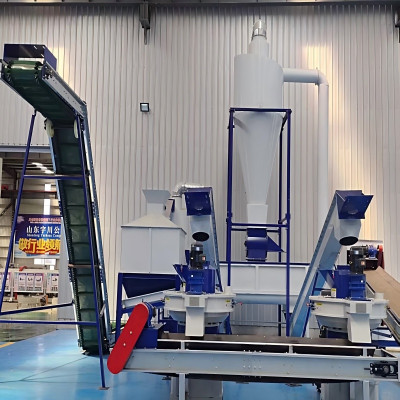
The Biomass Fuel Pellet Machine is designed for continuous operation and can be integrated with feeding, crushing, drying, cooling, screening, conveying, and packing equipment.
The complete system can reduce manual material handling and create a more continuous production process.
For larger projects, multiple pelletizing units can also be configured according to the required production capacity.

From Agricultural Waste to Renewable Fuel
The biggest value of a biomass pellet machine is not simply producing pellets. It creates a connection between biomass waste management and renewable energy production.
For agricultural enterprises, forestry processing plants, sawmills, furniture factories, and biomass fuel producers, residues that previously required disposal can potentially become a source of fuel or additional revenue.
The process can be summarized as:
Low-Value Biomass Residues → Processing → Pelletizing → Biomass Fuel Pellets
This waste-to-fuel approach can help improve raw material utilization while supporting the development of renewable solid fuel markets.

Applications of Biomass Fuel Pellets
The biomass fuel pellets produced by the machine can be used in a variety of applications, including:
• Biomass boilers
• Industrial heating systems
• Biomass burners
• Commercial heating
• Agricultural heating
• Small-scale heating systems
• Biomass fuel distribution
The final application depends on the raw material, pellet specifications, combustion equipment, and local fuel requirements.
Customized Biomass Pellet Production Line
A biomass fuel pellet machine is only one part of a complete pellet production system.
Yuchuan can provide integrated solutions including:
Raw Material Feeding System
Ensures continuous and controlled feeding of biomass materials.
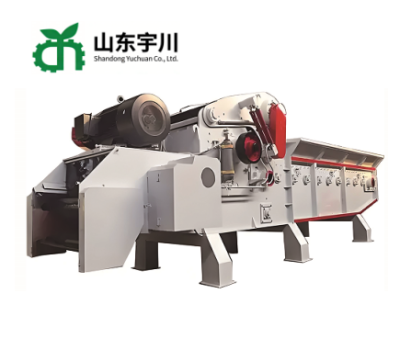
Reduces oversized materials and prepares suitable particle sizes for pelletizing.
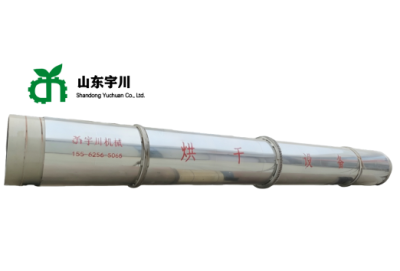
Reduces excessive moisture and prepares the material for stable pellet formation.
Biomass Fuel Pellet Machine
Compresses prepared biomass into dense fuel pellets.
Pellet Cooler
Reduces the temperature of freshly produced pellets and improves handling stability.
Pellet Sieve
Separates fines and undersized particles from qualified pellets.
Packing System
Packages finished biomass fuel pellets for storage, transportation, or commercial distribution.
Technical Specifications of Biomass Fuel Pellet Machine
Modle | YC-560 | YC-700 | YC-850 | YC-850 |
Main motor power | 132KW | 160KW | 250KW | 280KW |
Yield | 1.5-2T | 2-2.5T | 3.5T | 4T |