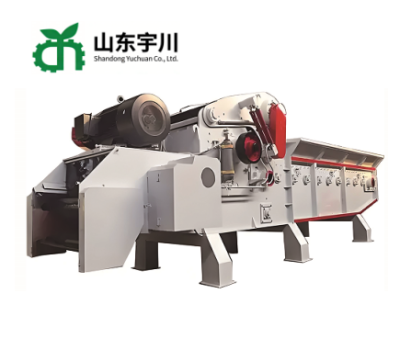
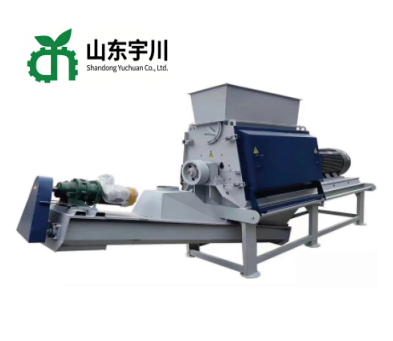
Wood Crusher
High Efficiency: Quickly processes wood and branches into uniform sawdust, increasing output by over 30%.
Wide Applicability: Suitable for wood, corn stalks, bamboo, and more; delivers excellent results with both dry and wet materials.
Energy-Efficient: Low energy consumption per unit, effectively reducing production costs.
Durable and Reliable: Heavy-duty construction ensures a long service life and stable operation.
Adjustable Particle Size: Equipped with replaceable screens to meet various fineness requirements.
Easy Maintenance: Simple replacement of wear parts and straightforward operation minimize downtime.
Cost-Effective: Recycles wood waste to save costs; compact design saves space.
Versatile Crushing Technologies
Our equipment utilizes advanced crushing mechanisms to meet diverse particle size requirements:
Hammer Crushing: High-speed rotating hammer heads fiercely impact the wood, making it highly efficient for preliminary rough processing.
Disc Crushing: Relies on relatively rotating discs and specialized blades to finely shear and tear the wood. This ensures precise crushing, making it ideal for producing uniform and fine particles required for biomass pellet fuel.
Durable & Efficient Design
Optimized Structure: The unique crushing chamber ensures wood is fully impacted, ground, and sheared. This significantly reduces material residue and maximizes crushing efficiency.
Extended Lifespan: Internal components are crafted from high-quality wear-resistant materials, which effectively prolongs the equipment's service life and lowers long-term maintenance costs.
Wide Range of Applications
Our wood crushers are essential across multiple industries:
Wood Processing: Converts raw wood into high-quality chips for manufacturing chipboard, fiberboard, and other engineered boards.
Biomass Energy: Processes crushed wood into biomass pellet fuel, promoting sustainable and renewable energy use.
Paper Industry: Refines wood into fiber raw materials that strictly meet papermaking standards, ensuring superior paper quality.
Garden Waste Management: Rapidly disposes of pruned branches and tree trunks, turning garden waste into valuable reusable resources.
Humanised operation design:
The operation interface is simple and easy to understand, equipped with clear operation instructions and safety warning signs. The staff can operate skilfully with simple training. Some equipment is also equipped with an automated control system, which can realise one-click start, automatic adjustment of feeding speed, overload protection and other functions, reducing labour intensity and improving operation safety.
Easy maintenance:
The structural design of the equipment is reasonable, and the key parts are easy to disassemble and install, which is convenient for daily inspection, cleaning, lubrication and repair. At the same time, the modular design concept is adopted. When a component fails, the corresponding module can be quickly replaced to reduce downtime and improve production efficiency. In addition, the consumable parts of the equipment are made of high-quality wear-resistant materials, which have a long service life and reduce the replacement frequency and maintenance costs.

Technical Parameters
Model | YC65-55 | YC65-75 | YC65-100 | YC65-120 | YC120-160 | YC120-200 |
Main Motor Power | 55KW | 75KW | 90KW | 132KW | 185KW/200KW | 250KW/280KW |
Output | 1T - 1.5T | 2T - 2.5T | 3T - 3.5T | 4T - 5T | 8T - 10T | 10T - 15T |
Frequently Asked Questions (FAQ)
Q1: What types of materials is this crusher primarily designed to process?
A: It is primarily suited for biomass materials, such as wood chips, branches, straw, corn cobs, peanut shells, fruit tree branches, and bamboo shavings. It can also be used to crush certain feed ingredients and chemical raw materials, and serves as the core upstream equipment in a biomass pellet production line.
Q2: Can the particle size of the crushed material be adjusted?
A: Yes. By replacing screens with different mesh sizes, you can control the output particle size to meet the requirements of various applications, such as pelletizer feed and feed processing.
Q3: How do I choose the right model for my needs?
A: Focus on three key factors:
Raw material type: Hardwoods (e.g., oak) require higher power; softwoods and straw can use standard power models;
Target output: Select a model based on production line requirements (e.g., 1 ton/hour, 5 tons/hour);
Supporting Equipment: Capacity must align with downstream dryers and pelletizers to avoid “overkill” or production bottlenecks.
Our company
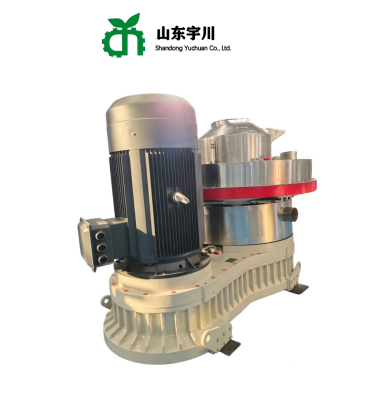
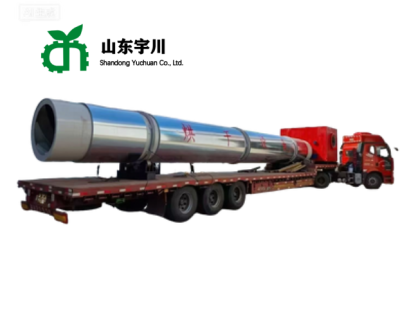
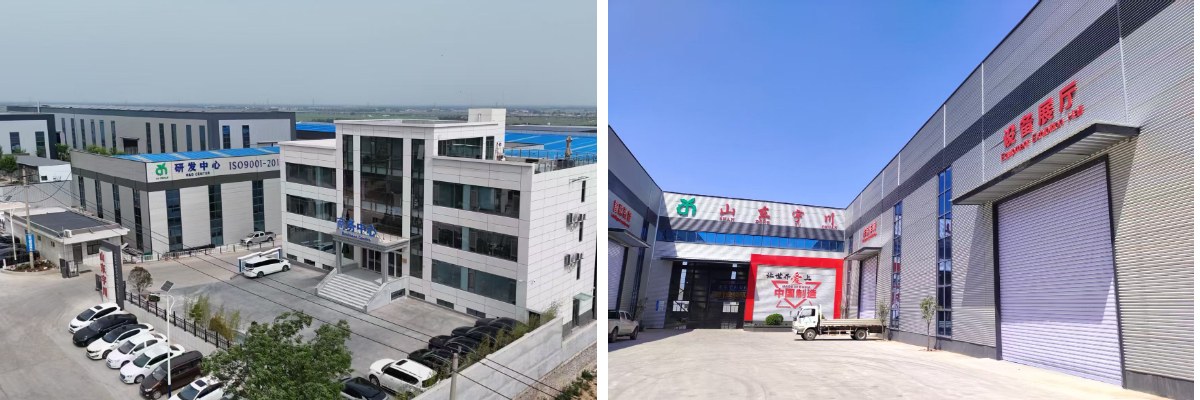
Yuchuan is a leading manufacturer specializing in drying and pelletizing equipment. We primarily manufacture drum dryers, biomass pelletizers, and supporting crushers. Leveraging our proprietary patented technologies and superior quality, we provide efficient, energy-saving, one-stop drying and pelletizing solutions for various wet materials, including wood chips, coal slurry, and sweet potato pulp. Our products are exported worldwide.
Company Qualifications
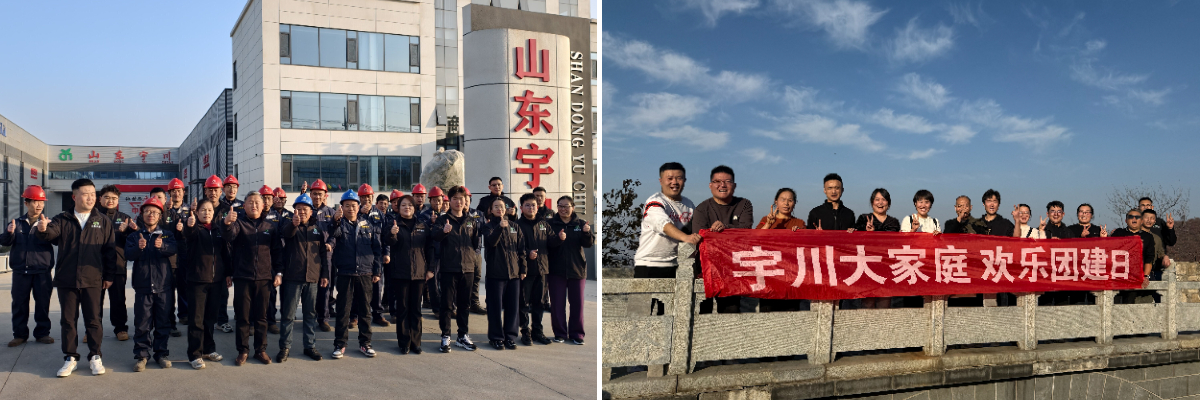
Our Team