Do Biomass Pellets Need Binders? Understanding Natural Binding and Pellet Production Technology
With the rapid development of renewable energy and sustainable fuel markets, biomass pellets have become an important alternative to traditional fossil fuels. Many investors, biomass processing companies, and industrial energy users are interested in one key question: Do biomass pellets need binders during production?
The answer is that most biomass pellets do not require additional binders. Thanks to the natural binding properties of biomass materials, high-quality pellets can be produced through proper preparation, drying, grinding, and compression processes. Understanding the natural bonding mechanism is essential for companies planning to invest in a Biomass Pellet Production Line.
Natural Binding Mechanism of Biomass Pellets
Biomass materials such as sawdust, agricultural residues, straw, bagasse, rice husk, and palm fiber contain natural components including lignin, cellulose, and hemicellulose. Among them, lignin plays the most important role in pellet formation.
During the pelletizing process, biomass materials are exposed to high pressure and frictional heat inside the pellet mill. Under these conditions:
Lignin becomes softened and acts as a natural adhesive;
Fibers are compressed and reorganized;
Individual biomass particles bond together tightly.
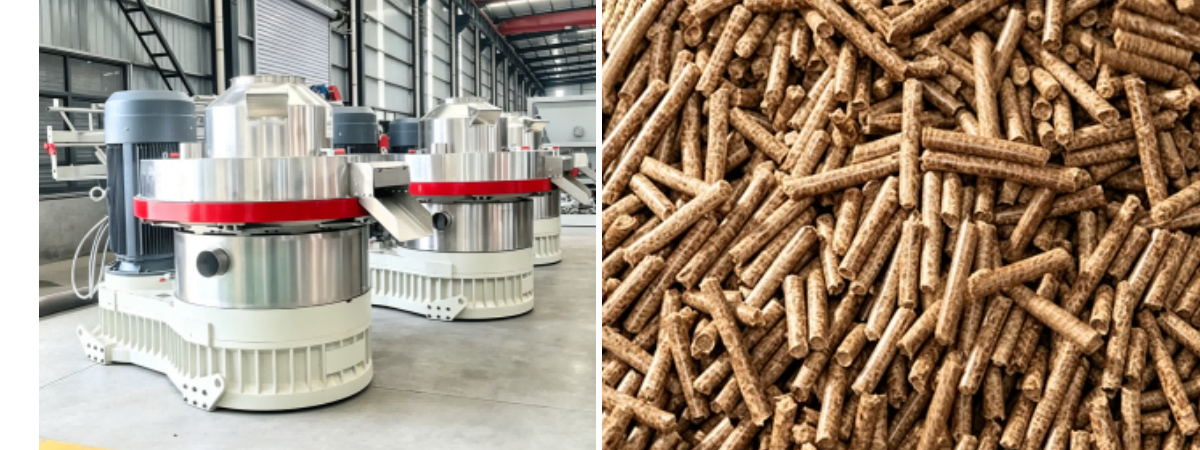
As a result, dense and durable biomass pellets can be produced without adding external chemical binders.
For this reason, many commercial Biomass Pellet Production Line projects rely on optimized production technology rather than artificial additives.
Why Most Biomass Pellet Production Lines Do Not Require Binders
Lower Production Cost
Avoiding additional binders can significantly reduce production costs. For large-scale biomass pellet manufacturers, raw material costs and production efficiency are major factors affecting profitability.
A well-designed Biomass Pellet Production Line can achieve stable pellet quality by controlling:
Raw material moisture content;
Particle size;
Compression ratio of pellet dies;
Pelletizing temperature;
Production pressure.
This allows manufacturers to produce high-quality fuel pellets with fewer additives.
Cleaner and More Environmentally Friendly Fuel
One of the biggest advantages of biomass pellets is their renewable and clean characteristics. Adding unnecessary chemical binders may affect combustion performance and increase ash content.
Natural binder-free biomass pellets usually offer:
Cleaner combustion;
Lower chemical residue;
Better environmental performance;
Improved market acceptance.
This is especially important for international markets with strict environmental standards.
Better Compliance with International Standards
Many global biomass fuel markets have strict requirements for pellet quality, including:
High density;
Low moisture content;
Good mechanical durability;
Stable combustion performance.
For example, industrial users and power plants usually prefer biomass pellets produced from natural raw materials without unnecessary additives.
By optimizing the Biomass Pellet Production Line, manufacturers can meet international requirements while maintaining competitive pricing.
When Are Binders Sometimes Needed?
Although most biomass pellets can be produced without binders, some special materials may require additional assistance.
Agricultural Residues with Low Lignin Content
Some agricultural wastes have weaker natural bonding ability, such as:
Rice straw;
Wheat straw;
Cotton stalks;
Certain grass materials.
For these materials, small amounts of natural binders may improve pellet strength.
Common natural additives include:
Starch;
Cassava powder;
Lignosulfonate;
Bentonite.
Usually, the amount of binder should be carefully controlled and kept at a low percentage.
High-Demand Applications
Some biomass pellets are produced for long-distance transportation, export markets, or industrial boilers. In these cases, manufacturers may require higher:
Pellet durability;
Impact resistance;
Storage stability.
However, before adding binders, manufacturers should first optimize the production process. Many pellet quality problems are caused by improper processing rather than insufficient bonding materials.
Key Factors Affecting Biomass Pellet Quality
In practical production, pellet quality depends mainly on production technology.
Moisture Control
The ideal moisture content of biomass materials is generally around 10%-15%.
Too little moisture may cause weak pellet formation;
Excessive moisture may reduce compression efficiency.
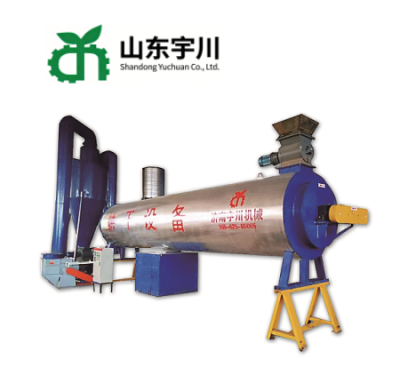
A professional biomass dryer is often used before pelletizing to ensure stable moisture conditions.
Particle Size Optimization
Proper grinding is another important factor. Biomass materials usually need to be processed into suitable sizes before entering the pellet mill.
Fine and uniform particles help improve:
Pellet density;
Surface smoothness;
Mechanical strength.
Efficient Pelletizing Equipment
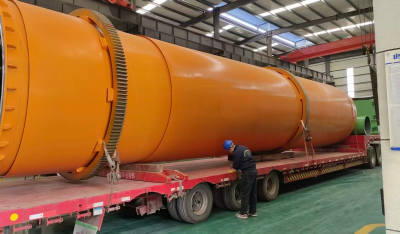
A high-quality Biomass Pellet Production Line integrates multiple processes, including:
Crushing system;
Drying system;
Pelletizing system;
Cooling system;
Screening system;
Packaging system.
Through automated production management, manufacturers can achieve consistent pellet quality and higher production efficiency.
Conclusion
So, do biomass pellets need binders?
The answer is: In most cases, no.
Natural biomass materials already contain lignin, which works as an effective natural binder during high-pressure pelletizing. By controlling moisture, particle size, and production parameters, manufacturers can produce high-quality biomass pellets without additional additives.
For companies planning biomass fuel projects, investing in a reliable Biomass Pellet Production Line and improving production technology is usually more important than adding binders. Advanced pellet production technology helps achieve lower costs, better quality, and stronger competitiveness in the global renewable energy market.