High-Efficiency Palm Fiber Dryer: Revolutionizing Biomass Waste Management in the Global Palm Oil Industry
Introduction: The Global Demand for Sustainable Biomass Processing
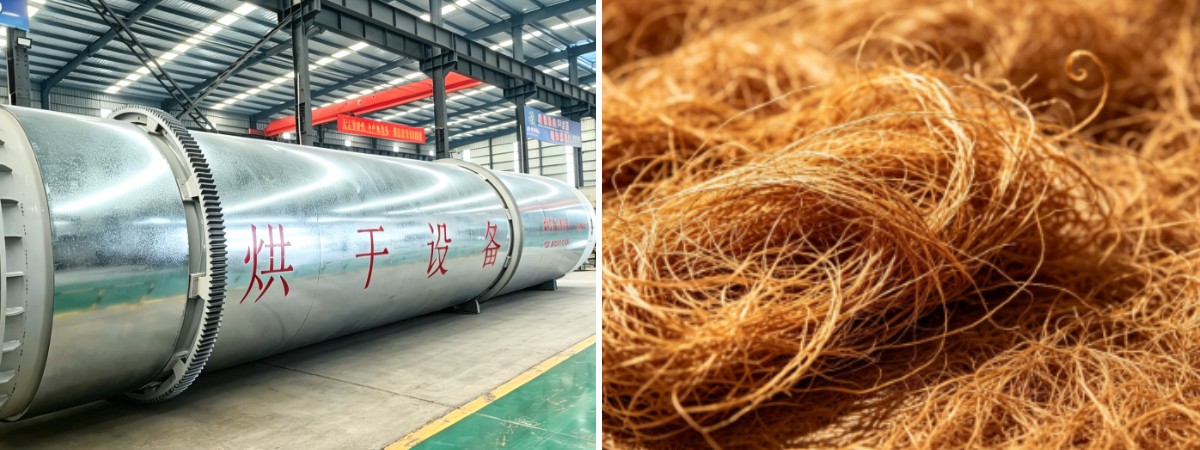
The global palm oil industry generates millions of tons of by-products annually. Among these, palm fiber (also known as palm press fiber) has emerged as a valuable resource for biofuel, animal feed, and organic fertilizer. However, the high moisture content of raw palm fiber poses a significant challenge for storage, transportation, and further processing. This is where a high-performance Palm Fiber Dryer becomes indispensable.
Market Trends: Why Invest in a Palm Fiber Dryer Now?
Recent market data indicates a surge in demand for renewable energy sources and circular economy solutions. The utilization of palm kernel shell and palm fiber for power generation is growing rapidly in Southeast Asia, Africa, and South America.
Biofuel Production: Dried palm fiber is an excellent substitute for coal in industrial boilers.
Cost Reduction: Reducing moisture content from 40-50% to below 15% significantly lowers transportation costs.
Environmental Compliance: Proper drying prevents mold growth and reduces carbon emissions associated with waste decomposition.
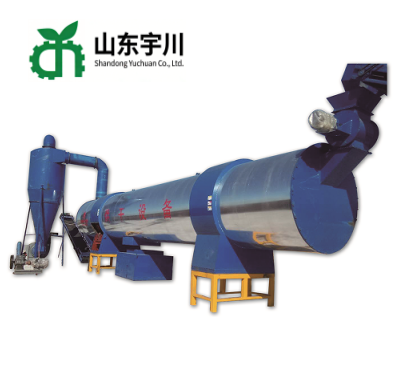
Investing in an industrial Palm Fiber Drying Machine
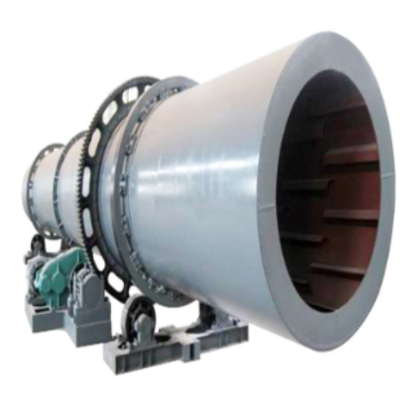
Our palm fiber dryer utilizes advanced rotary drying technology and has been optimized for the stickiness and fibrous characteristics of palm waste.
Key Technical Features:
High Thermal Efficiency
The optimized drum interior structure ensures efficient heat exchange.
Anti-Adhesion Design
The specially designed internal material-lifting plates prevent fibers from adhering to the drum walls, ensuring uniform drying.
Durable Construction
The entire palm fiber dryer features a wear-resistant drum that withstands material abrasion, ensuring long-lasting and stable operation.
Frequently Asked Questions (FAQ)
Q1: What is the final moisture content achievable with your Palm Fiber Dryer?
A: Our standard Palm Fiber Dryer can reduce moisture content from 45-50% down to 10-15%, which is ideal for making biomass pellets. Customization is available based on specific requirements.
Q2: What heat sources can be used for the drying system?
A: We offer flexible heat source options, including natural gas, biomass burners (using palm shells or wood chips), hot-air furnaces, and more, to accommodate your local energy costs.
Q3: Do you provide installation and training services overseas?
A: Yes. We will send professional engineers to your site to perform installation, commissioning, and operator training to ensure that production runs smoothly.