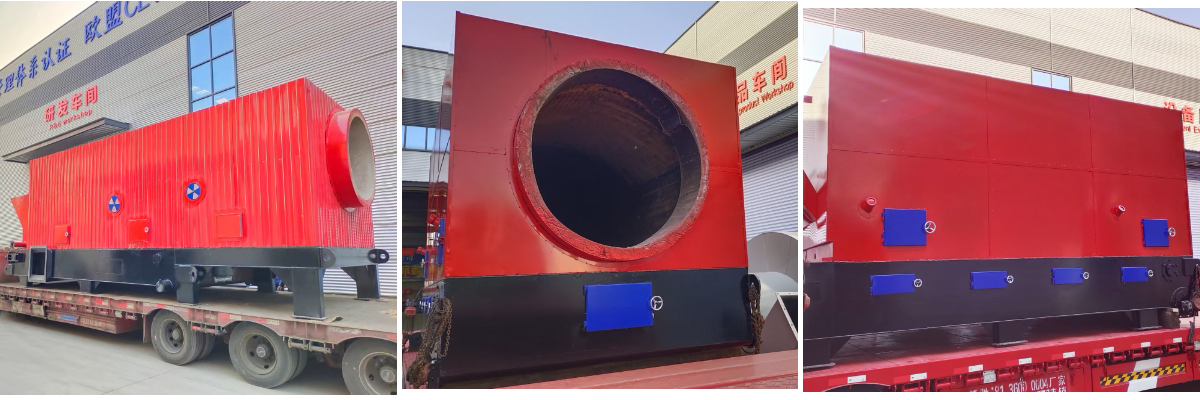
Biomass Hot Air Furnace: The Future of Industrial Thermal Solutions for Global Decarbonization
As the global push for industrial decarbonization accelerates, industrial heating solutions that offer both cost-effectiveness and environmental benefits are gaining increasing favor in the market. Thanks to their high efficiency, clean operation, and sustainability, biomass hot air furnaces have emerged as a breakthrough solution for drying, heating, and industrial heat treatment applications. Powered by renewable biomass fuel, these systems deliver a steady supply of clean, high-temperature hot air, making them the preferred choice for businesses seeking to reduce operating costs and meet environmental standards.
Market Growth and Global Demand
Driven by rising energy costs, stricter carbon reduction policies, and growing demand for stable heat sources in emerging markets, the global biomass hot air furnace market is experiencing rapid growth. Industry forecasts indicate that by 2035, the market will achieve a compound annual growth rate (CAGR) exceeding 10%, with Southeast Asia, Africa, South America, and Europe serving as the primary regions driving this growth. Industries such as sludge treatment, wood processing, and agricultural production are accelerating the adoption of these systems to replace traditional fossil fuel boilers.
Key Advantages of Biomass Hot Air Furnaces
Significantly Reduced Operating Costs
Biomass hot air furnaces utilize locally available, low-cost biomass fuels such as wood chips, pellets, straw, and agricultural waste. Compared to gas, oil, or coal-fired systems, they can significantly reduce operating costs, effectively helping businesses mitigate the risks associated with fossil fuel price fluctuations.
High Thermal Efficiency and Stable Heat Supply
Advanced chain grate combustion technology ensures complete fuel combustion, achieving thermal efficiency of over 85%. This guarantees continuous operation of industrial drying lines and prevents production interruptions caused by heat fluctuations.
Environmental Compliance and Support for Green Production
The optimized combustion design significantly reduces emissions of nitrogen oxides, sulfur dioxide, and particulate matter, meeting international environmental standards such as CE and ISO. Carbon-neutral biomass fuels help enterprises achieve their carbon neutrality goals and address the challenges posed by increasingly stringent global environmental policies.
Fully Automated Operation and Low Maintenance Costs
Equipped with a PLC control system, the biomass hot air furnace enables integrated operation for temperature regulation, ash removal, and slag disposal. The “one-button start, worry-free operation” mode reduces the need for manual supervision, significantly lowering maintenance costs and making it ideal for continuous industrial operations.
Versatile Application, Flexible Customization
The equipment is widely applicable to industrial scenarios such as sludge drying, wood chip processing, and chemical product drying. Customizable heat output and temperature ranges ensure perfect compatibility with various production processes.
Choosing the Right Biomass Hot Air Furnace Supplier
When selecting a Biomass Hot Air Furnace supplier for your industrial needs, consider the following key factors:
Technical Expertise: Look for manufacturers with proven experience in chain grate combustion technology and industrial drying applications.
Customization Capabilities: Ensure the supplier offers tailored solutions to match your specific heat output, temperature range, and fuel requirements.
Quality Certifications: Verify compliance with international standards such as CE, ISO 9001, and local environmental regulations.
After-Sales Support: Choose a supplier that provides comprehensive installation guidance, training, and maintenance services for global clients.
Conclusion
As global industry transitions toward sustainable heat source solutions, biomass hot air furnaces have become the benchmark equipment in industrial drying and heating applications due to their reliability, cost-effectiveness, and environmental friendliness. With their broad fuel compatibility, high thermal efficiency, and low operating costs, this technology will play a key role in the global decarbonization process. For companies seeking to reduce their carbon footprint and improve production efficiency, choosing a biomass hot air furnace is an excellent step toward long-term sustainability.