Complete Guide to Biomass Pellet Production Line: From Raw Materials to Finished Pellets
With the increasing global demand for renewable energy, biomass fuel has become an important alternative to traditional fossil fuels. Agricultural and forestry residues such as sawdust, straw, rice husk, peanut shell and palm kernel shell can be converted into valuable biomass pellets through professional processing.
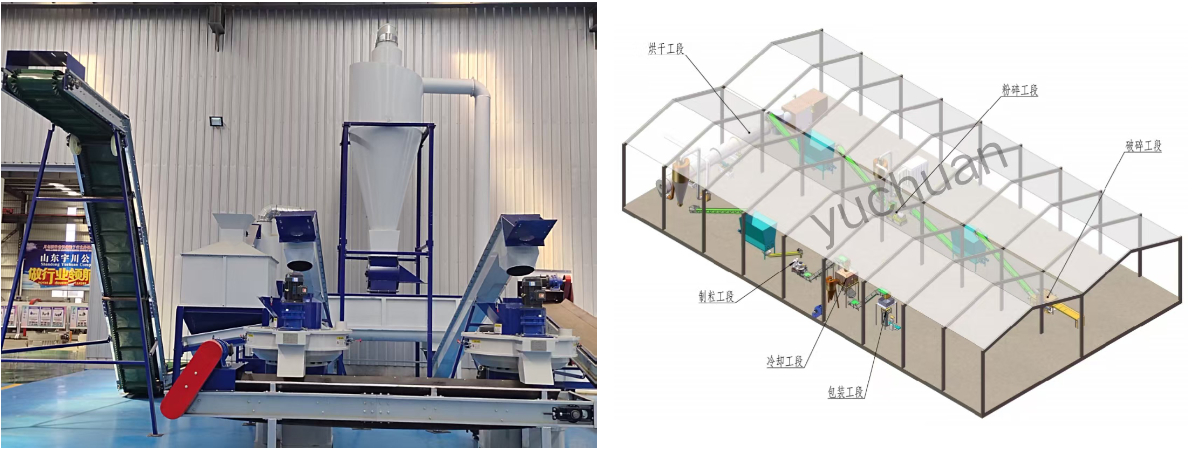
However, producing high-quality pellets requires more than a single pellet machine. A complete Biomass Pellet Production Line integrates multiple processes, including crushing, drying, pelletizing, cooling, screening and packing.
1. Raw Material Preparation
The first step of a Biomass Pellet Production Line is preparing suitable raw materials.
Different materials require different processing methods:
Sawdust usually requires less preparation;
Straw and rice husk need efficient crushing;
Hard biomass materials require stronger processing equipment.
Proper preparation improves pellet quality and extends equipment service life.
2. Crushing Process
The crushing system reduces raw materials into suitable particle sizes.
A reliable crushing process provides:
Uniform material size;
Better pellet forming performance;
Stable production efficiency.
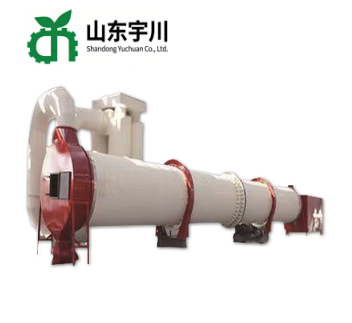
3. Drying Process
Moisture control is essential for biomass pellet production.
A professional dryer helps achieve suitable moisture levels, improving:
Pellet density;
Production stability;
Energy efficiency.
4. Pelletizing Process
The Biomass Pellet Machine is the core equipment of the production line.
Through high pressure between rollers and dies, loose biomass materials are compressed into solid pellets.
It can process various materials, including:
Wood chips;
Sawdust;
Straw;
Rice husk;
Agricultural waste.
5. Cooling and Screening
After pelletizing, cooling and screening equipment improves product quality by:
Reducing temperature;
Removing powder;
Improving storage stability.
6. Automatic Packing System
For commercial production, automatic packing improves efficiency and reduces labor costs.
A modern Biomass Pellet Production Line can integrate weighing, packing and conveying systems for large-scale operation.
Why Choose a Complete Biomass Pellet Production Line?
A complete production line provides:
Stable production performance;
Customized equipment matching;
Lower operating costs;
Higher long-term profits.
Conclusion
A Biomass Pellet Production Line provides an effective solution for converting agricultural and forestry waste into clean energy fuel. With professional equipment configuration and reliable technology, enterprises can achieve efficient production while supporting sustainable development.
Shandong Yuchuan provides customized biomass pellet production solutions for customers worldwide, helping businesses enter the growing renewable energy market.