Why Does a Biomass Pellet Machine Get Blocked? Common Causes and Effective Solutions
Introduction: Understanding Biomass Pellet Machine Blocking Problems
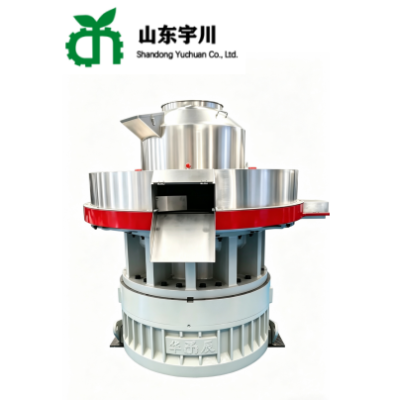
With the rapid development of renewable energy, biomass pellet production has become an important solution for utilizing agricultural waste, forestry residues, and other organic materials. A Biomass Pellet Machine plays a key role in converting raw materials such as wood chips, sawdust, straw, rice husks, and other biomass resources into high-density fuel pellets.
However, during daily operation, many pellet manufacturers encounter a common problem: material blockage in the biomass pellet machine. Blockage not only reduces production efficiency but also increases equipment wear, energy consumption, and maintenance costs. Understanding the causes of biomass pellet machine blockage and taking effective preventive measures are essential for ensuring stable production.
1. Excessive Moisture Content of Biomass Materials
One of the most common reasons for Biomass Pellet Machine blockage is excessive moisture in the raw materials. Biomass materials with high moisture content have poor fluidity and are more likely to stick inside the feeding system, compression chamber, or pelletizing die.
Normally, the moisture content of biomass materials should be controlled within an appropriate range, usually around 10%-15% depending on the raw material type and pellet production requirements. If the material is too wet, the compression process becomes unstable, causing the pellets to fail to form properly and leading to accumulation inside the machine.
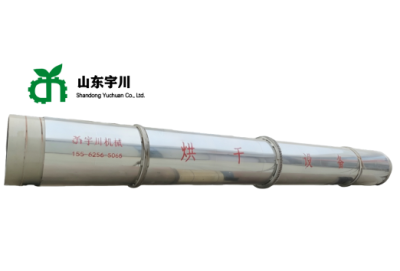
Using a professional biomass dryer before pelletizing can effectively reduce moisture and improve production stability.
2. Incorrect Raw Material Size and Uneven Crushing
The size of biomass raw materials directly affects the performance of a Biomass Pellet Machine. If the particles are too large or contain many long fibers, they may block the feeding port or prevent smooth compression.
For example, untreated straw, branches, and large wood chips can easily cause feeding problems when fed into a pellet mill. Therefore, it is usually necessary to use a shredder before pellet production to process the raw materials into a uniform particle size.This reduces the load on the equipment and helps produce higher-quality biomass pellets.
3. Improper Feeding Speed of Biomass Pellet Machine
Another important factor causing blockage is an unstable feeding process. When too much material enters the Biomass Pellet Machine at one time, the compression chamber may become overloaded, causing material accumulation and motor overload.
On the other hand, insufficient feeding can also affect pellet quality and create unstable operation.
A stable automatic feeding system can help control the material supply rate and ensure continuous pellet production.
4. Worn or Blocked Pellet Die and Rollers
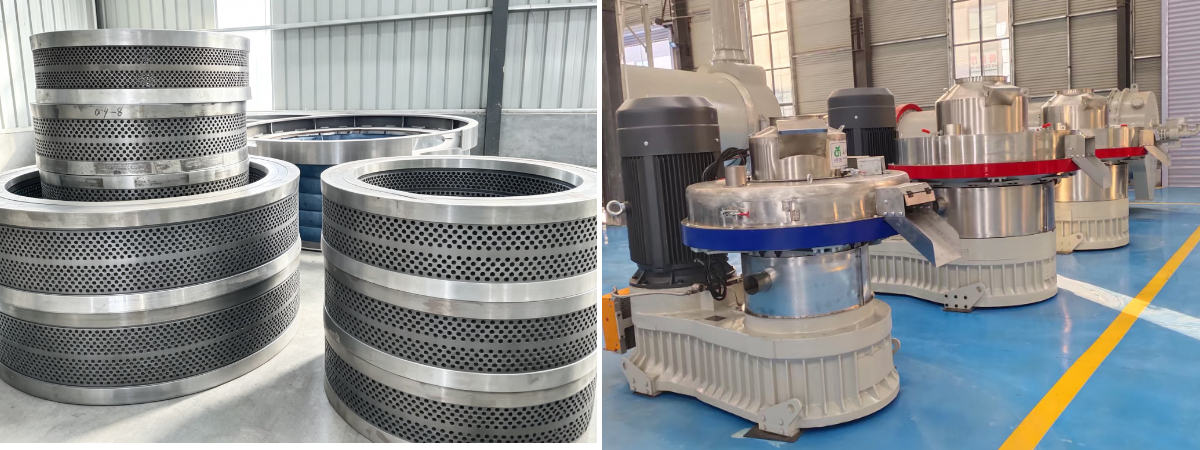
The die and rollers are the core components of a Biomass Pellet Machine. After long-term operation, the die holes may become worn, blocked, or damaged by impurities in the raw materials.
When the die holes are partially blocked, the extrusion pressure increases, causing material accumulation inside the machine. In severe cases, the equipment may stop completely.
Regular inspection, cleaning, and replacement of worn parts can greatly reduce blockage problems and extend machine service life.
5. Excessive Impurities in Biomass Materials
Biomass materials collected from agricultural or forestry sources often contain stones, metal particles, soil, and other impurities. These foreign materials can damage the internal components of the pellet machine and interrupt material flow.
Installing cleaning and screening equipment before pellet production is an effective method to remove impurities and protect the Biomass Pellet Machine.
6. Incorrect Machine Operation and Lack of Maintenance
Improper operation is another reason behind biomass pellet machine blockage. Starting the machine without sufficient lubrication, stopping suddenly under heavy load, or failing to clean residual materials can increase the risk of blockage.
Regular maintenance, including lubrication, cleaning, and checking electrical systems, is necessary for long-term and efficient operation.
How to Prevent Biomass Pellet Machine Blocking Problems?
To reduce blockage risks and improve production efficiency, biomass pellet manufacturers should focus on several key points:
Control raw material moisture before pelletizing.
Ensure proper crushing and uniform particle size.
Maintain stable feeding speed.
Clean and inspect the die and rollers regularly.
Remove impurities from biomass materials.
Follow correct operating procedures and maintenance schedules.
A well-designed Biomass Pellet Machine combined with proper raw material preparation can significantly improve production capacity, reduce downtime, and lower operating costs.